Trending
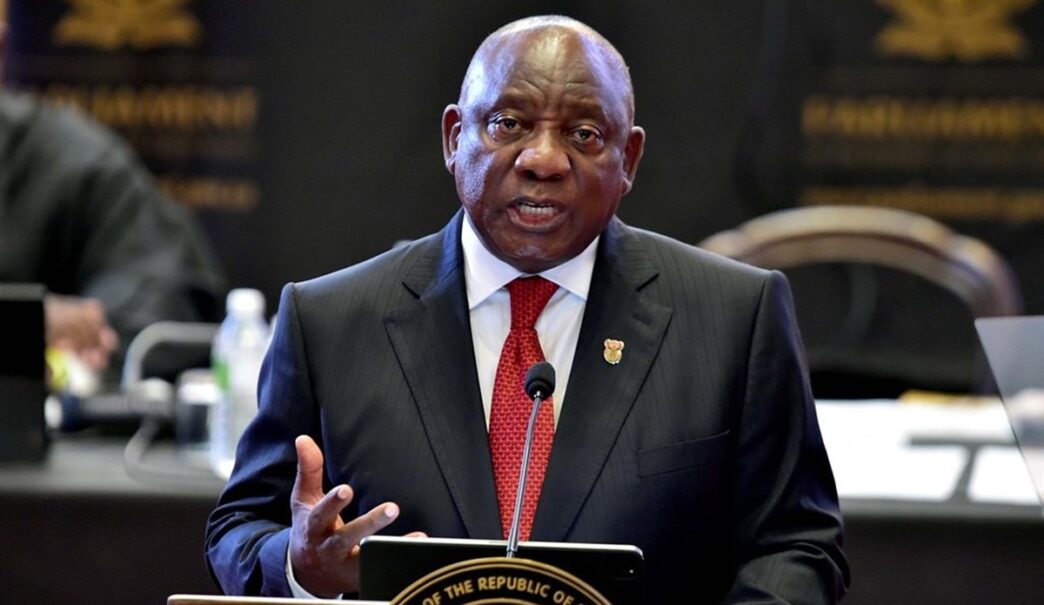
South African President Cyril Ramaphosa has pledged to intensify the fight against organised crime and take firm action against municipal officials who fail to provide water to communities.
Addressing parliament in his State of the Nation Address, Ramaphosa stated that organised crime now poses the most immediate danger to South Africa’s democracy, society and economic progress, adding that the government’s primary focus in 2026 would be to strengthen efforts against criminal syndicates.
“Organised crime is now the most immediate threat to our democracy, our society and our economic development.
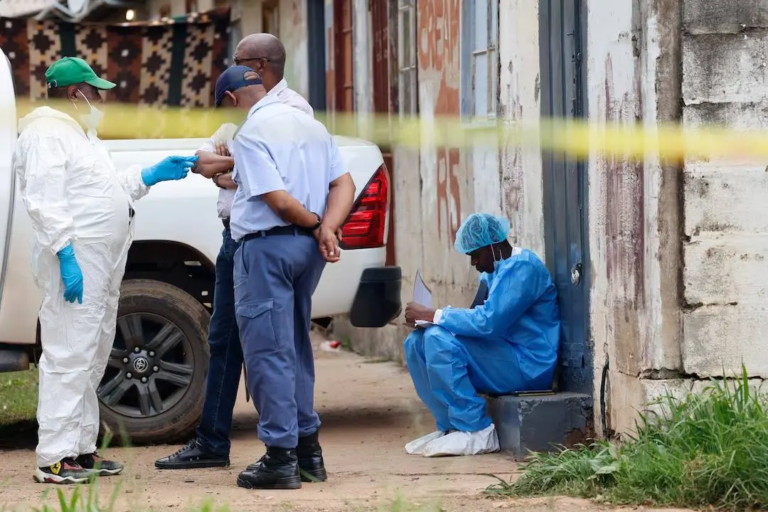
Read More : 43 Dead in South Africa Political Hits: Report
“Our primary focus this year is on stepping up the fight against organised crime and criminal syndicates.”
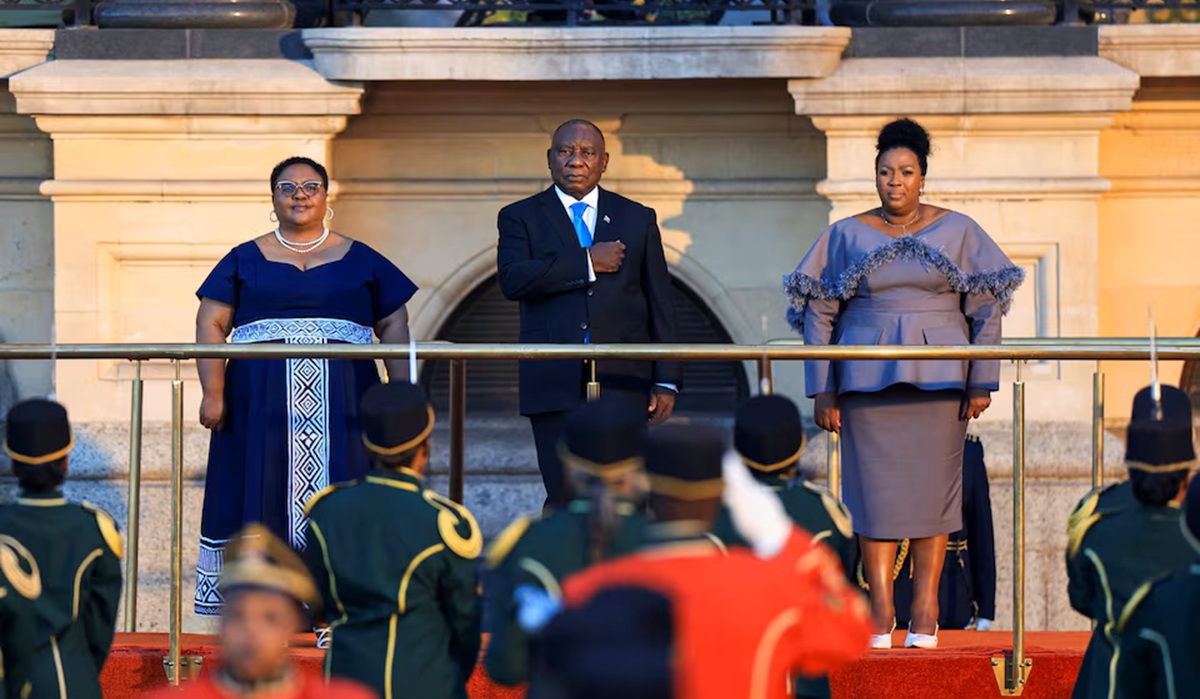
Ramaphosa said soldiers would initially be deployed to the Western Cape and Gauteng, provinces heavily affected by gang violence, and directed the police and defence ministers to finalise operational details within days.
Turning to the worsening water crisis, Ramaphosa said persistent outages reflected deep failures in local governance, noting that collapsing infrastructure and prolonged drought conditions have left many communities without a reliable supply. He warned that officials who fail to deliver water would face consequences.
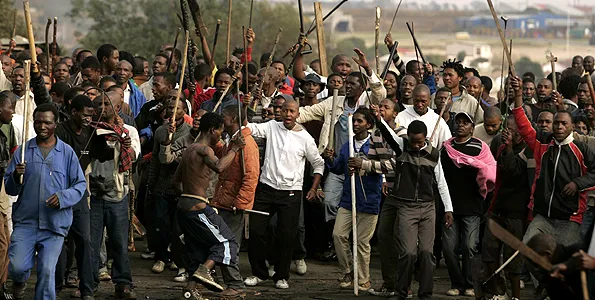
Residents in Johannesburg staged protests this week after some neighbourhoods reportedly went without running water for more than 20 days.
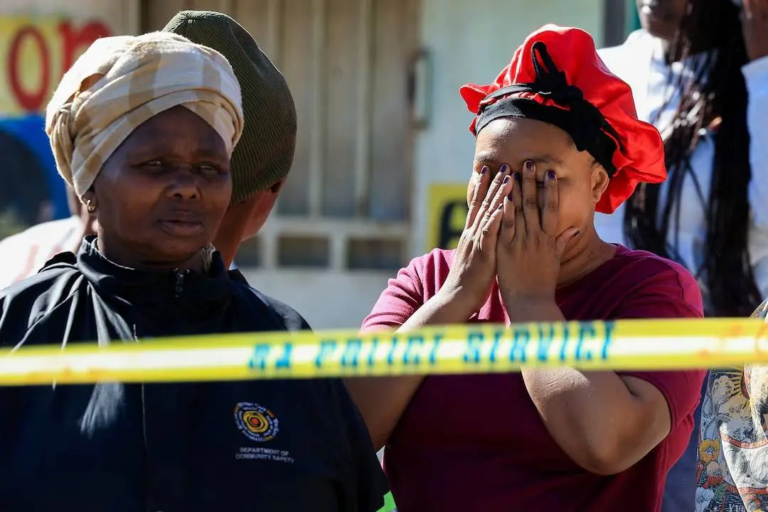
Crime has drawn international attention, including criticism from U.S. President Donald Trump, who previously reportedly made claims about violence against white South Africans. Official data, however, show that most victims of violent crime in the country are Black.
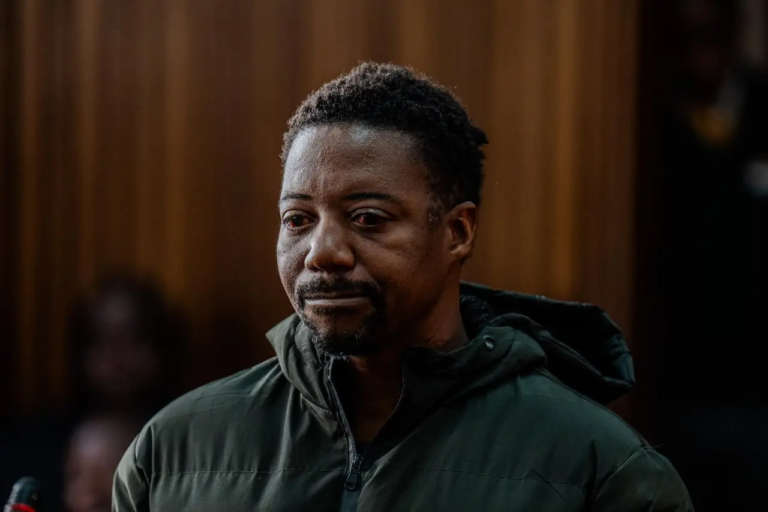
Read More : UK Fugitive Tshuma Case Adjourned
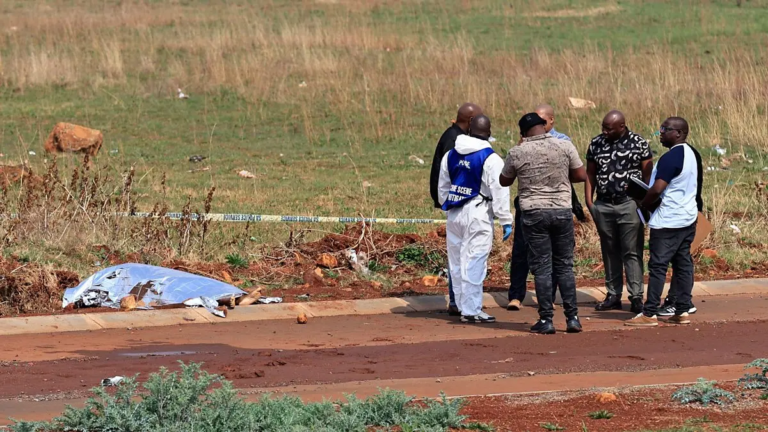
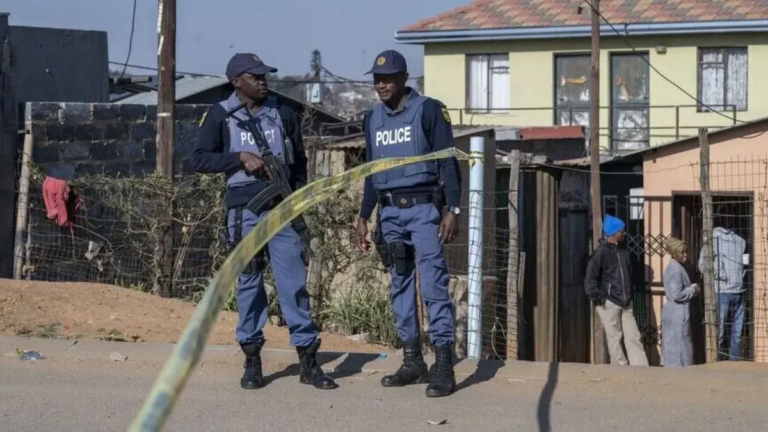
South Africa records more than 20,000 murders annually in a population of about 63 million, making it one of the world’s most violent countries outside war zones.
Ramaphosa, who has led a coalition government since 2024 after the African National Congress lost its parliamentary majority for the first time since the end of apartheid, faces mounting pressure ahead of upcoming municipal elections.
While chronic power cuts have eased and investor confidence has improved, unemployment remains high, and service delivery challenges continue to fuel public frustration.