Trending
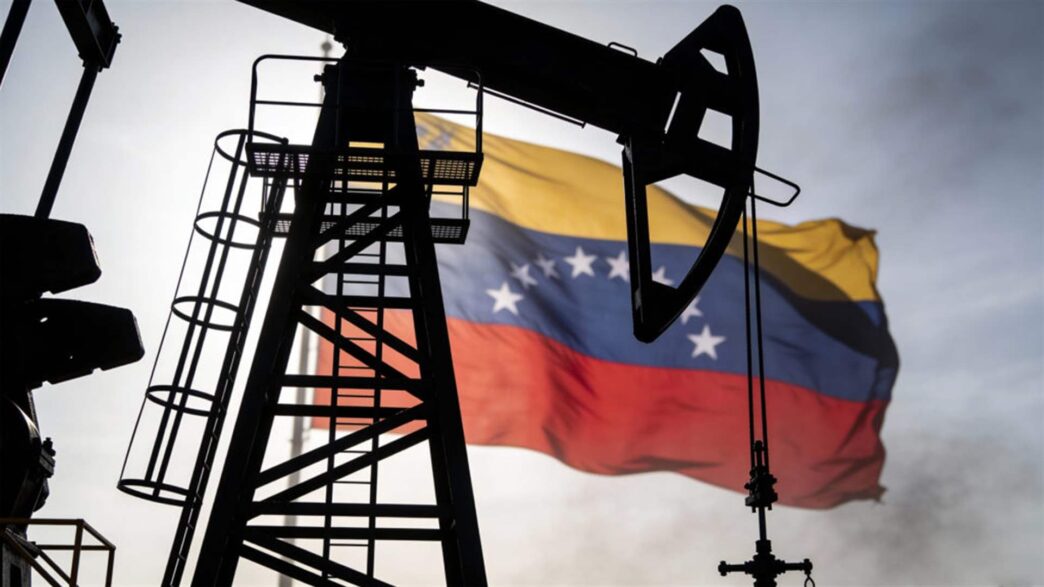
The Trump administration has officially signalled the end of a long-standing energy embargo by granting licences to Chevron and four European petroleum giants—BP, Eni, Repsol, and Shell—to resume operations in Venezuela.
This pivot follows the January 3 removal of socialist leader Nicolas Maduro and the subsequent rise of interim leader Delcy Rodriguez.
U.S. Energy Secretary Chris Wright, who recently became the highest-ranking official to visit Caracas since the transition, declared the 2019 oil embargo “essentially over.”
Read More : Turkey Football Refereeing Chief Arrested
Under the new Treasury Department guidelines, the U.S. is maintaining a tight grip on the financial flow of the region’s massive reserves.

Any royalties or payments generated from these oil and gas operations must be funnelled into accounts designated by the U.S. Treasury.
The administration justifies this move by stating that Washington will manage these assets in custody for the direct benefit of the Venezuelan people, ensuring the funds are not diverted.
The geopolitical shift also includes a clear effort to sideline rivals.
While Western firms are now encouraged to negotiate new investment contracts, the Treasury Department has explicitly barred participation from China, Iran, and Russia.
This strategic exclusion aims to realign Venezuela’s energy infrastructure with Western interests while supporting the legal reforms Rodriguez has quickly pushed through to modernise the sector.
Read More : UN Refugee Agency Warns Of Funding Crisis
The ultimate goal of this re-engagement is to return Venezuela to its status as a global energy powerhouse.
Despite a recovery to 1.2 million barrels per day in 2025, production remains far below its historical peak.
Secretary Wright emphasised that increasing output is the primary vehicle for improving the quality of life and wages for Venezuelans, betting that the return of Western expertise and capital will stabilise the nation’s fractured economy.