Trending
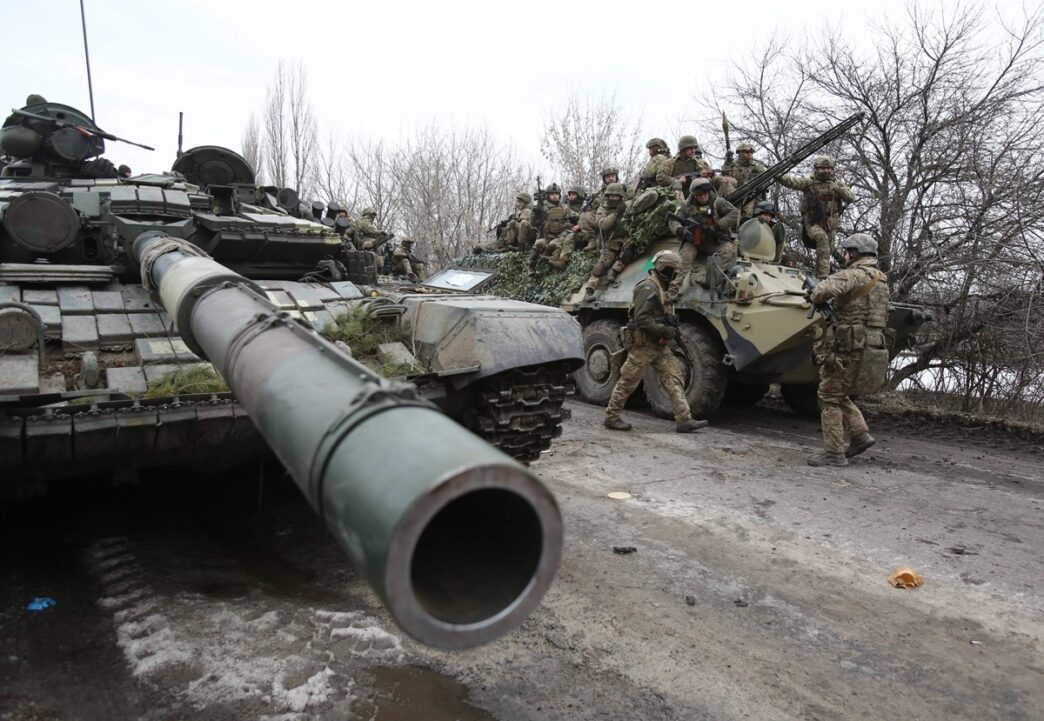
The governments of Nigeria and Kenya have warned their citizens about the risks of being recruited into foreign armed conflicts through unverified channels.
The Ministry of Foreign Affairs of Nigeria, in a statement on Sunday, expressed “grave concern over the rising and alarming cases of Nigerian citizens being illegally recruited to participate in foreign armed conflicts.”
The ministry said Nigerian nationals have allegedly been recruited under false pretences, including promises of “lucrative employment, security jobs, educational opportunities, or migration incentives.”
“Recent media investigations and security reports indicate that Nigerian nationals were allegedly recruited under false pretences, including promises of lucrative employment, security jobs, educational opportunities, or migration incentives. Several Nigerians who have fallen victim to such unfortunate situations were deployed to combat zones after being misled and coerced into signing military service contracts,” the statement added.
Reports suggest that recruitment tactics involve deceptive offers of high monthly salaries, signing bonuses, and fast-tracked citizenship.
In several instances, victims are reportedly compelled to sign contracts in foreign languages without adequate legal guidance, and their travel documents are allegedly confiscated upon arrival.
Reports also indicate the involvement of intermediaries or agents who facilitate travel arrangements under tourist or other non-military visa categories.
The Nigerian government warned that any “Nigerians who choose to participate in foreign conflicts outside approved governmental frameworks do so at their own risk.”
It urged all citizens to avoid participating in or accepting any offer to engage in foreign armed conflicts, noting that such actions may violate Nigerian and international laws governing mercenary activities and foreign enlistment.
Last Thursday, Ukraine’s Defence Intelligence in the Luhansk region reported the deaths of two Nigerian citizens, Hamzat Kazeen Kolawole (03 April 1983) and Mbah Stephen Udoka (07 January 1988), who had served in the 423rd Guards Motor Rifle Regiment (military unit 91701) of the 4th Guards Kantemirovskaya Tank Division of the Russian Federation.
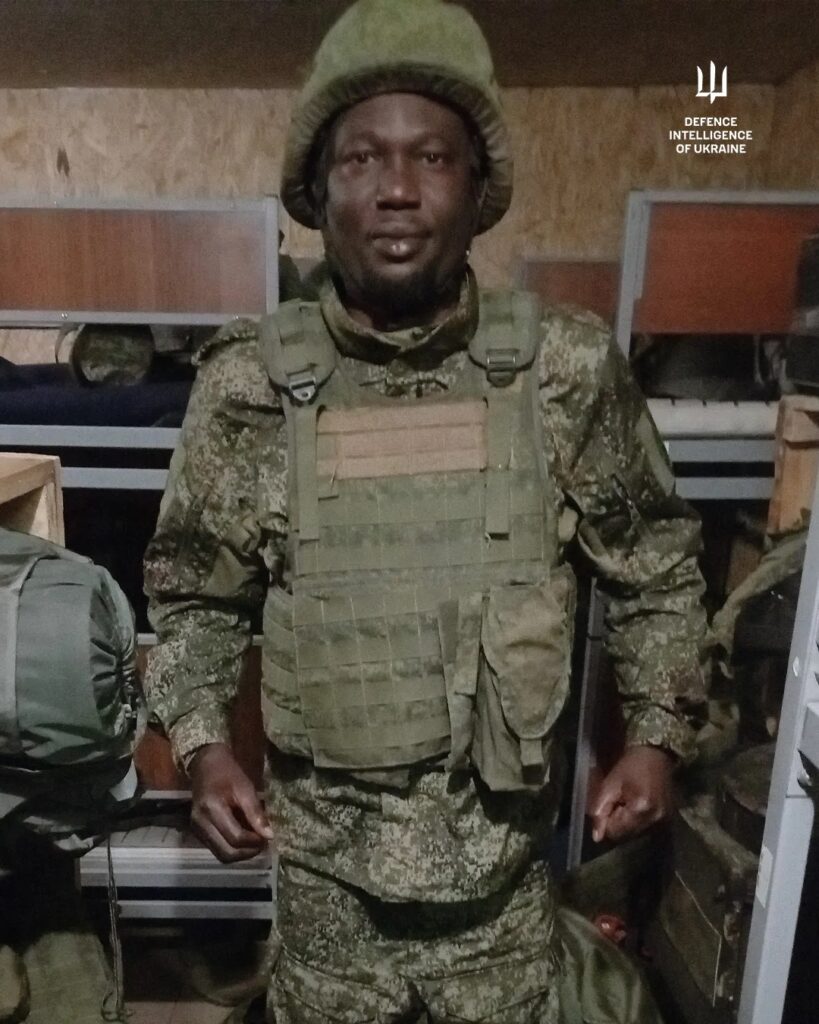
Both reportedly signed contracts with the Russian army in the second half of 2025. Kolawole signed on 29 August and Udoka on 28 September, with Udoka reportedly receiving no military training before being deployed to the occupied territories of Ukraine on 3 October.
Ukrainian intelligence indicated that both were killed in late November during an attempt to storm Ukrainian positions and were eliminated by a drone strike without engaging in a firefight. Kolawole leaves behind a wife and three children in Nigeria.
Similarly, the Embassy of the Republic of Kenya in Moscow issued a statement on 5 February 2026, warning about Kenyan nationals travelling to the Russian Federation through informal recruitment channels.
The embassy said many individuals were “promised employment opportunities, high salaries, and residency arrangements which, upon arrival, did not exist or differed significantly from what had been communicated.”
“Many of the affected individuals or their relatives have written to the Embassy directly or through the Ministry of Foreign and Diaspora Affairs, reporting that they were promised employment opportunities, high salaries, and residency arrangements, which, upon arrival, did not exist or differed significantly from what had been communicated.
“They further indicated that in some cases, passports were withheld, movement was restricted, and the individuals became subject to conditions beyond their control and access by the Embassy for consular services.”
The embassy also cautioned that where individuals have travelled through irregular, unsafe, unverified, and informal channels, consular access and intervention may be limited or delayed.
“Immediate extraction or repatriation may also be challenging for contractual disputes, restricted location, or legal processes under the laws and administrative procedures of the host country.”