Trending
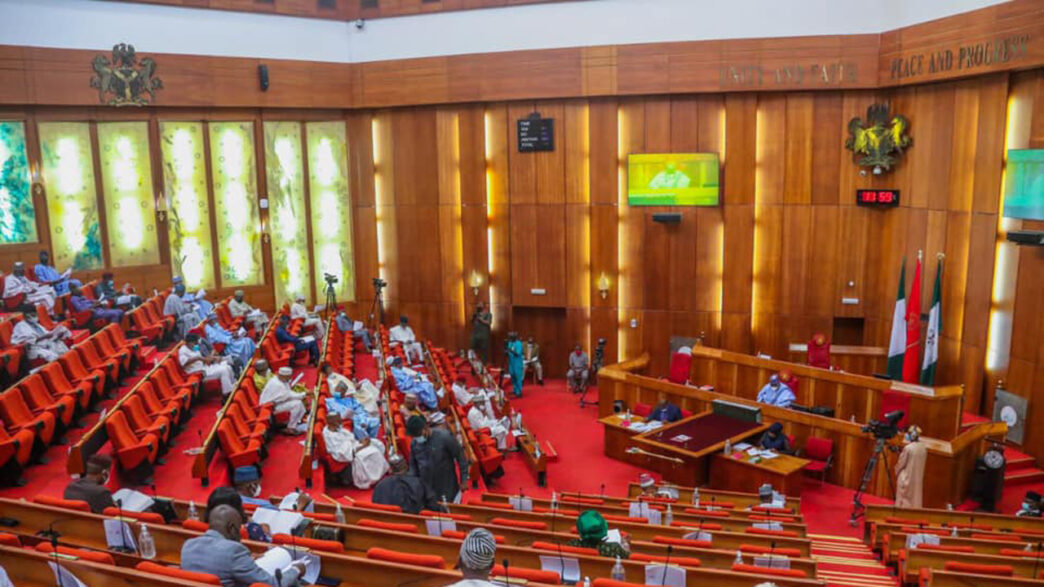
The Nigerian National Assembly has announced an emergency recall of all senators and members of the House of Representatives, cutting their recess short to reconvene on Tuesday, February 17, 2026.
According to a notice from the Clerk, Kamoru Ogunlana, the plenary session is set to address “very crucial decisions.”
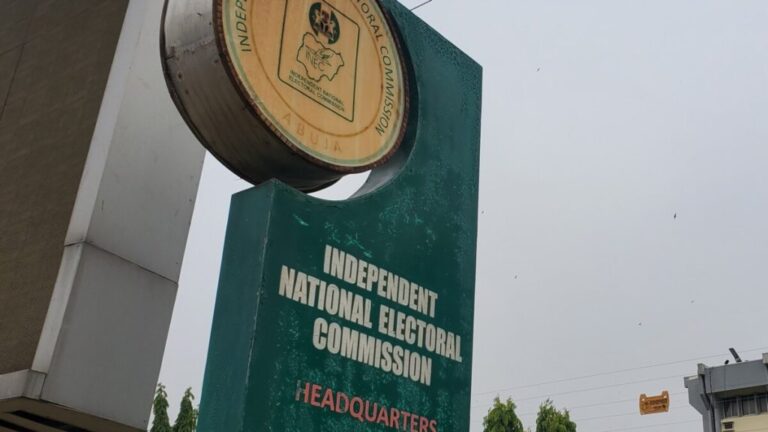
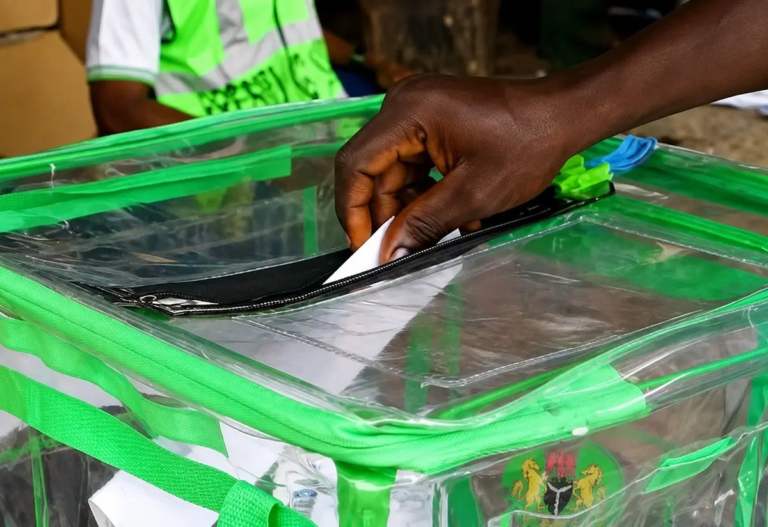
While the official notice remained broad, legislative sources confirmed that the primary agenda is to reschedule the 2027 presidential election to February 13, 2027—a week earlier than the date originally set by the Independent National Electoral Commission (INEC).
Read More : INEC Urged to Disqualify Unregistered Candidates
The shift is largely a response to significant pressure from religious groups and political leaders who pointed out that the original February 20 date fell squarely within the holy month of Ramadan.
Stakeholders, including the Muslim Rights Concern and former Vice President Atiku Abubakar, argued that holding a national election during a period of fasting and spiritual devotion would disenfranchise millions of Muslim voters and election officials.

Lawmakers indicated that the move is intended to ensure national cohesion and inclusive participation across all faiths.
Beyond the election date, the National Assembly is also working to finalise the Electoral Act (Repeal and Re-enactment) Amendment Bill, 2026.
A joint conference committee is meeting today to harmonise the versions passed by both chambers before transmitting the final bill to President Bola Tinubu for his signature.
This legislative package includes critical reforms aimed at resolving all election-related litigation before the May 29 inauguration, potentially shortening the legal windows for tribunal and appellate court rulings.
The session follows a period of intense public debate over the electronic transmission of results.
Read More : Lagos Leads Nigeria’s 2027 Voter Register
While the Senate recently approved the use of the IReV portal for result viewing, it notably excluded the requirement for “real-time” uploads.
Senate Leader Opeyemi Bamidele defended this omission by citing the country’s current infrastructure deficits, noting that only 43% of Nigerians have access to the power grid, and broadband coverage remains insufficient.
He argued that laws must be based on “stark realities” rather than emotion to prevent a constitutional crisis during the collation process.