Trending
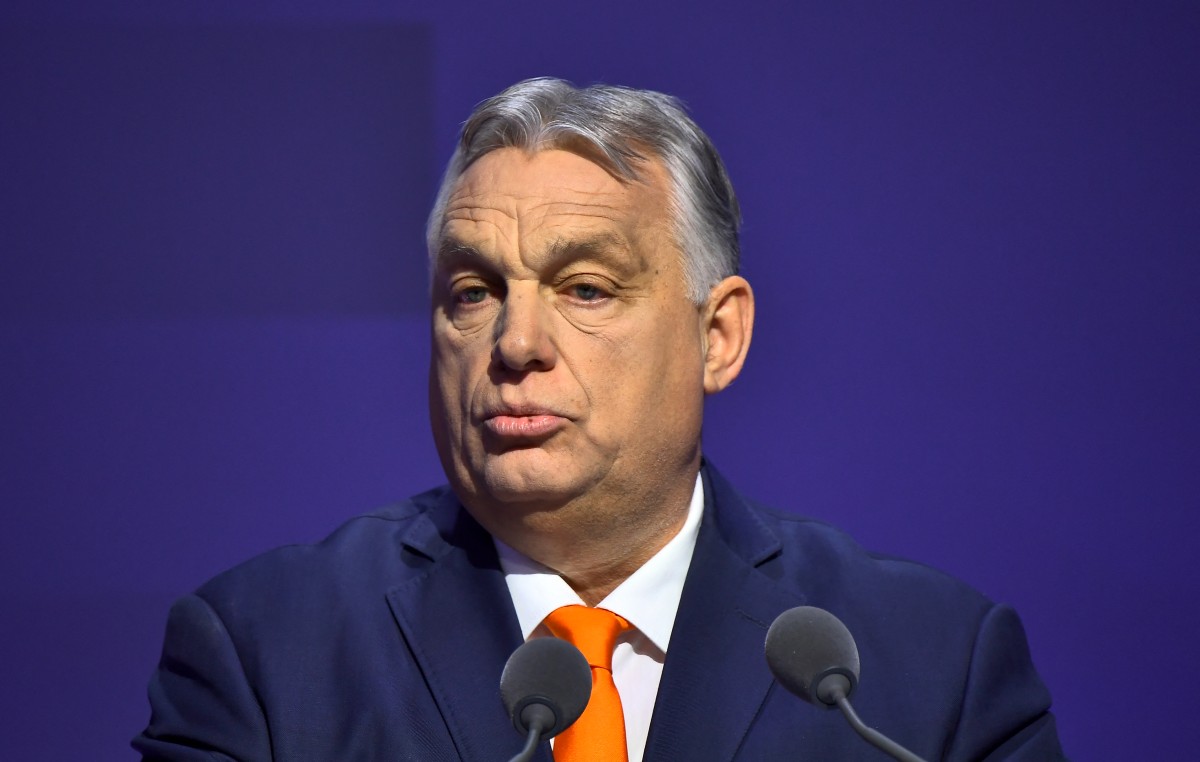
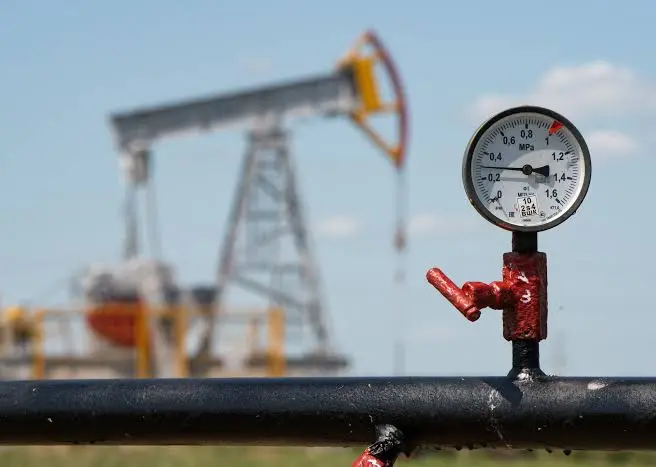
A report by the Centre for the Study of Democracy (CSD) reveals that Hungary is continuing to purchase discounted Russian oil despite having viable alternative supply routes.
Although Prime Minister Viktor Orbán has long argued that Russian energy is essential for keeping domestic prices low, the study found that Hungarian fuel prices in 2025 were actually 18% higher than in the Czech Republic, a neighbour that has already transitioned to more expensive non-Russian supplies.
The analysis suggests that the savings from these discounted purchases are not reaching consumers. Instead, they are being absorbed as record profits by MOL, Hungary’s national oil company.
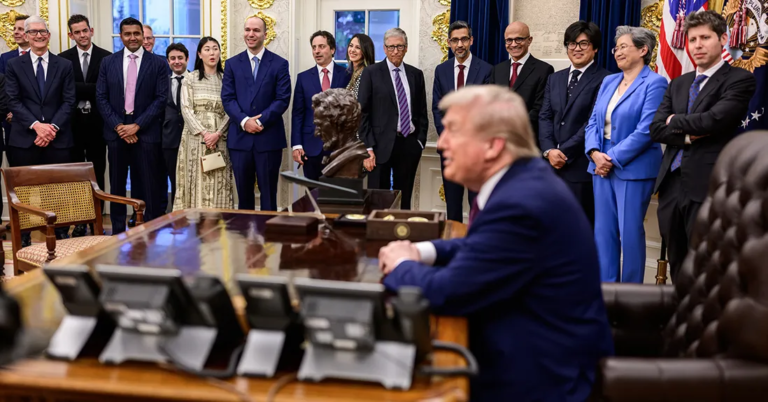
Read More : White House Hosts AI Leaders on Regulation
Since Russia invaded Ukraine in 2022, MOL’s operating income has reportedly surged by 30%.
The CSD notes that nearly a third of the company is controlled by foundations with close ties to the Orbán administration, alleging that these “excess profits” are being used to fund influential political networks.
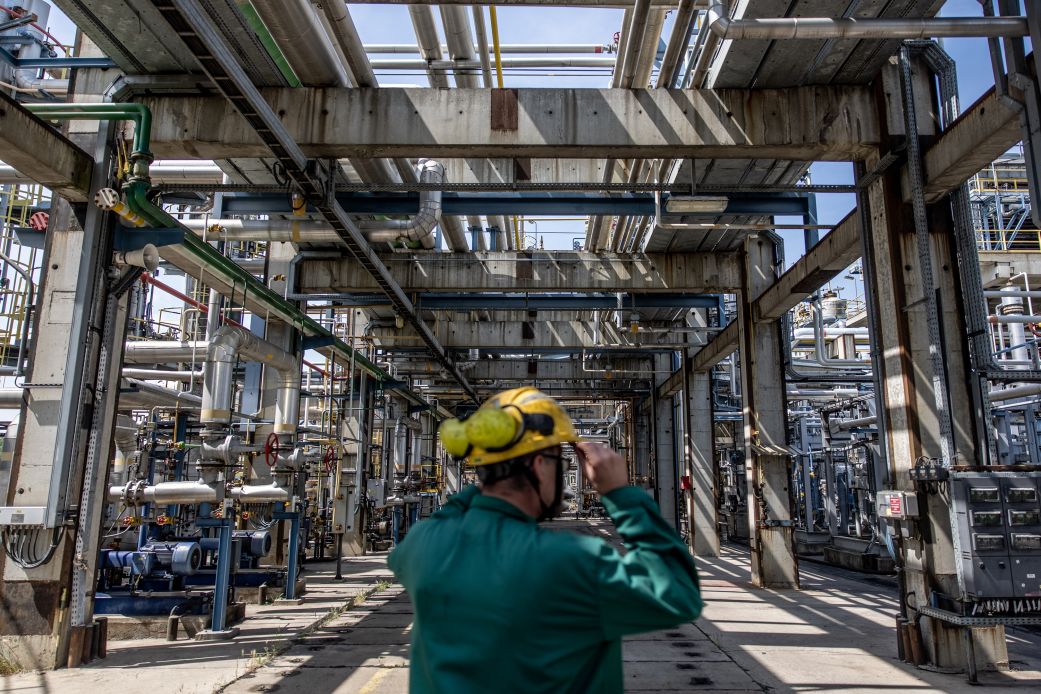
While Hungary claims it is logistically tethered to Russian crude via the Druzhba pipeline, researchers argue that the country has sufficient access to non-Russian oil through the Adria pipeline from Croatia.
The report characterises Hungary’s continued reliance on Moscow as a political choice rather than a commercial necessity.
This allows the country to turn a temporary EU sanctions exemption into a permanent loophole, effectively continuing to finance the Kremlin’s war chest.
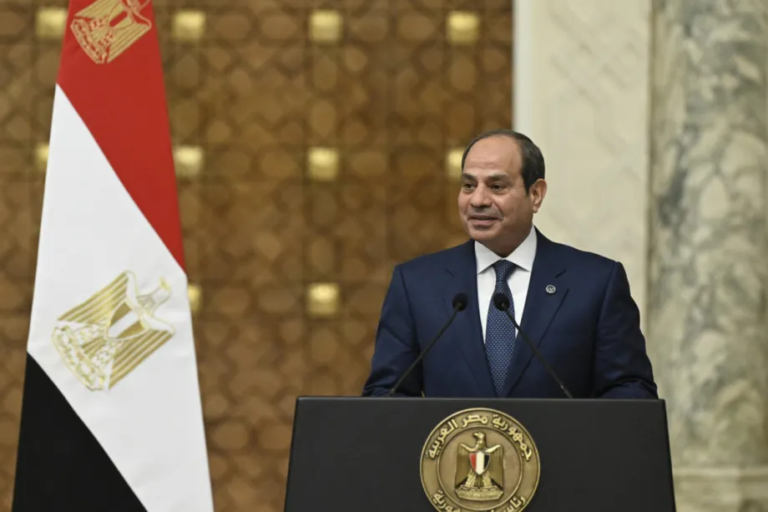
Read More : Egypt to Host Africa Business Summit
These findings come at a sensitive time for the Orbán government, which faces a significant challenge in the upcoming April parliamentary elections.
The report directly undermines the Prime Minister’s campaign narrative that his pro-Russian energy policy protects the wallets of Hungarian citizens.
As the EU considers closing these final loopholes, the CSD recommends a total ban on Russian crude imports for both Hungary and Slovakia to complete Europe’s energy decoupling from Moscow.