Trending
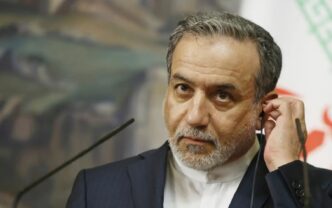
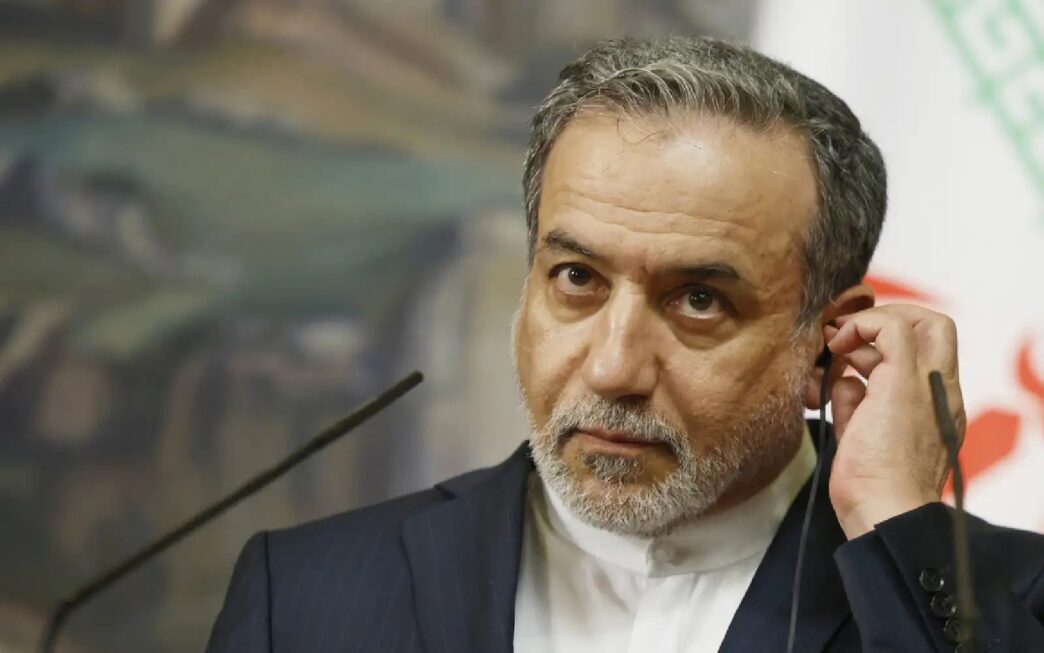
Iran’s Foreign Minister, Abbas Araghchi, has arrived in Geneva for a high-stakes second round of indirect nuclear negotiations with the United States.
These talks, mediated by Oman and Switzerland, come at a period of intense regional friction.
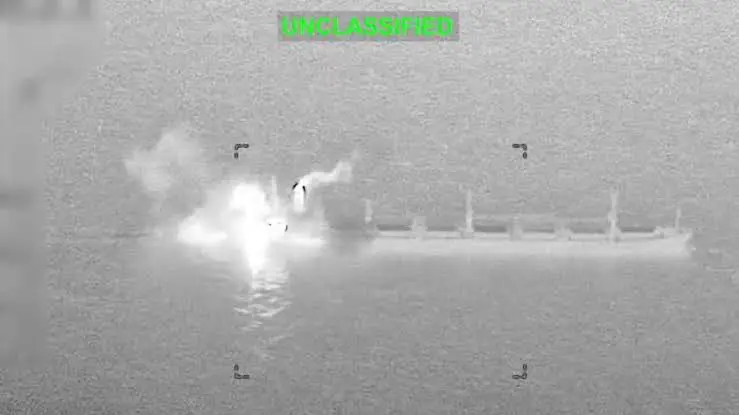
As diplomats gather in Switzerland, the Iranian Revolutionary Guards have simultaneously launched military drills in the strategic Strait of Hormuz.
State media framed the war games as a preparation against “security threats” in the waterway, which handles approximately 20% of the world’s global oil supply.
The negotiations focus primarily on Iran’s stockpile of 60 per cent-enriched uranium, a level of purity that international watchdogs warn is close to weapons grade.
While Washington, represented by envoys Steve Witkoff and Jared Kushner, is pushing for a peaceful outcome, the U.S. has also maintained a “maximum pressure” stance.
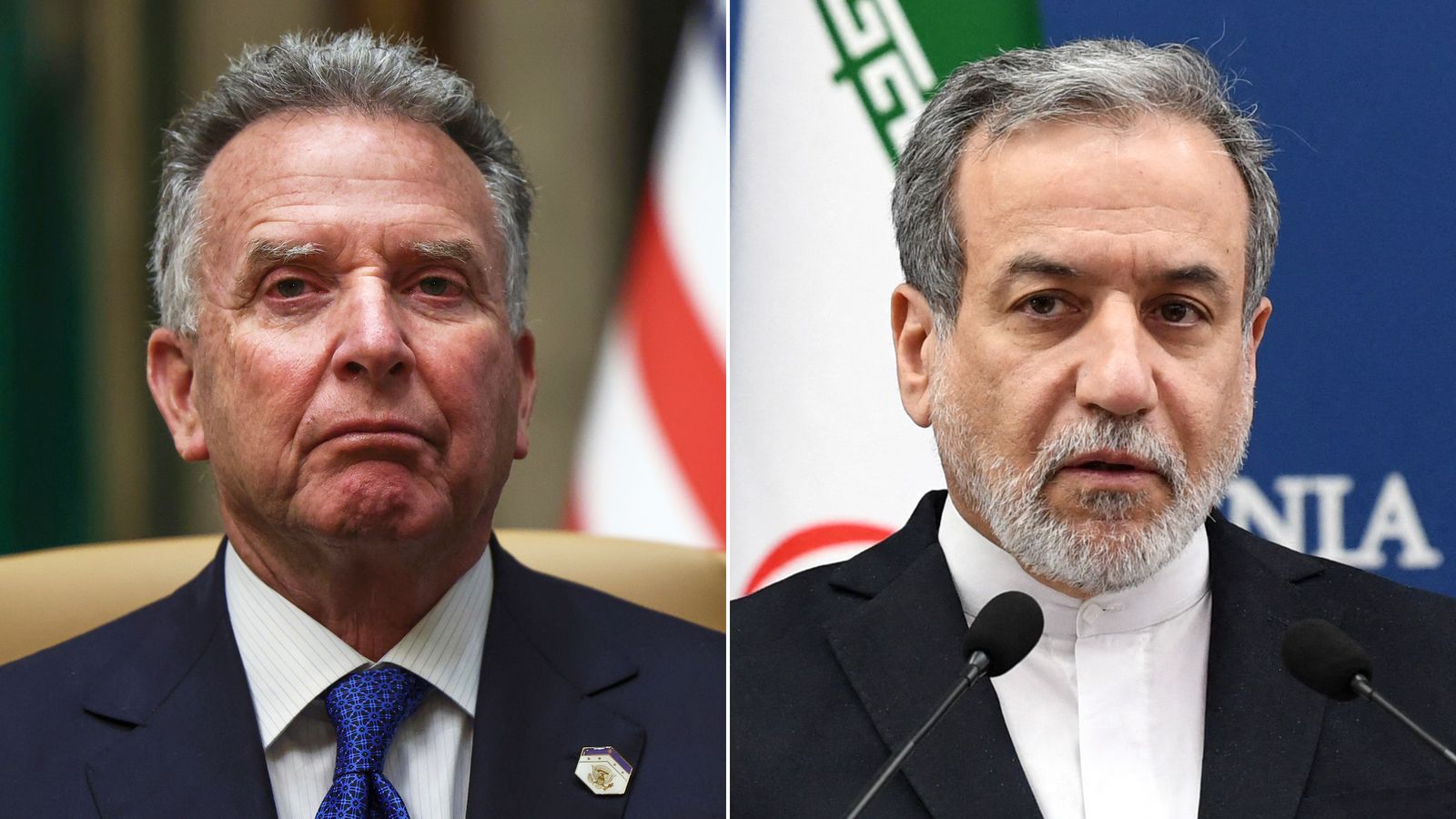
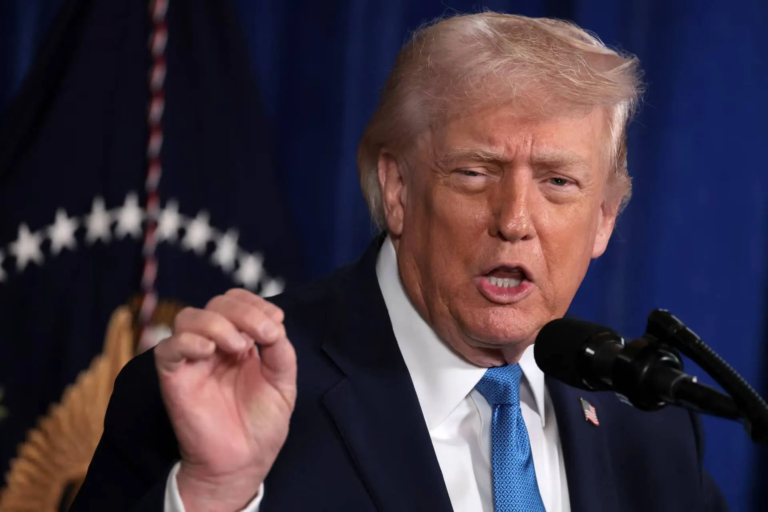
President Trump recently deployed a second aircraft carrier to the Middle East and suggested that a change of government in Tehran would be a positive development, further complicating the diplomatic atmosphere.
Despite the military posturing, both sides have signalled a potential path toward an agreement.
Iranian officials indicated they might compromise on their uranium stockpile if the U.S. lifts the crippling economic sanctions that have devastated Iran’s aviation, mining, and energy sectors.
However, the internal situation in Iran remains volatile; the talks are occurring against a backdrop of a deadly state crackdown on anti-government protests, which has triggered widespread international condemnation and demonstrations across the globe.
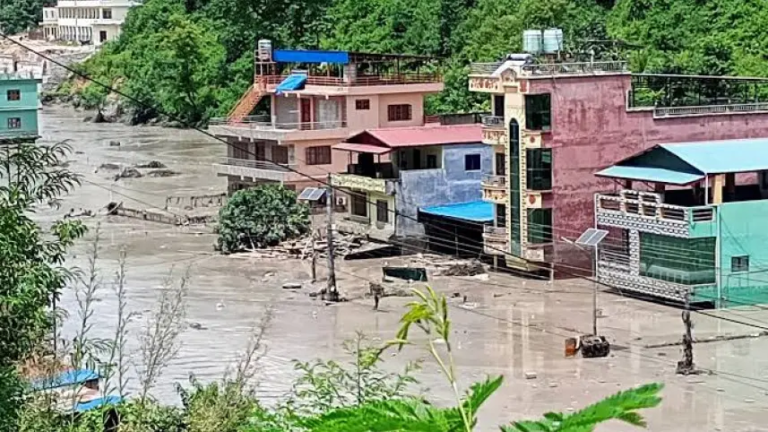
Read More : Nepal Urges Evacuations After Flood
As the Tuesday sessions begin, Araghchi has emphasised that while Iran is bringing “real ideas” to achieve a fair deal, it will not submit to threats.
Meanwhile, Israeli Prime Minister Benjamin Netanyahu has maintained that any viable agreement must involve the complete dismantling of Iran’s enrichment capabilities.
With the global energy market watching the Strait of Hormuz and the international community focused on Geneva, the outcome of these talks could determine the trajectory of Middle Eastern security for the coming year.