Trending

The Nigeria Centre for Disease Control (NCDC) has reported that 31 people have died from Lassa fever over the past five weeks.
In its latest situation report on Monday, the agency reported more than 754 suspected cases, with 165 confirmed. Among those infected were nine health workers.
“Cumulatively, as at week five 2026, 31 deaths have been reported with a Case Fatality Rate (CFR) of 18.8 per cent, which is lower than the CFR for the same period in 2025 (19.6 per cent),” the report stated.
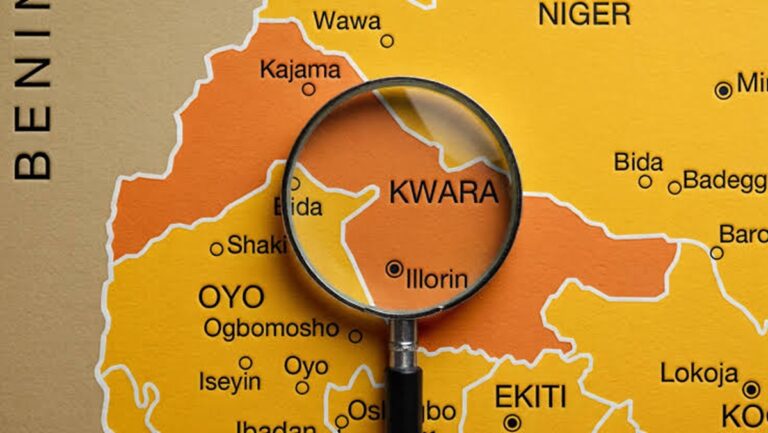
Nine states have recorded at least one confirmed case across 33 local government areas so far this year. Bauchi, Ondo, Taraba, Edo, and Plateau accounted for 92 per cent of confirmed cases, with Bauchi alone reporting 47 per cent. The remaining four states accounted for eight per cent of cases.
The disease has primarily affected people aged 21–30, though patients ranged from 1 to 74 years, with a median age of 28. The male-to-female ratio for confirmed cases is 1:0.8. The NCDC noted that the number of suspected and confirmed cases is lower than for the same period in 2025.
Currently, 135 patients are receiving treatment at designated centres, and at least 110 suspected cases are being monitored through contact tracing and follow-up efforts.
The agency highlighted ongoing response measures, including a high-level field mission to Bauchi State, activation of the National Lassa Fever Emergency Operations Centre’s Incident Management System, laboratory sample analysis to support prompt diagnosis, and advocacy for dedicated funding for Lassa fever prevention and control.
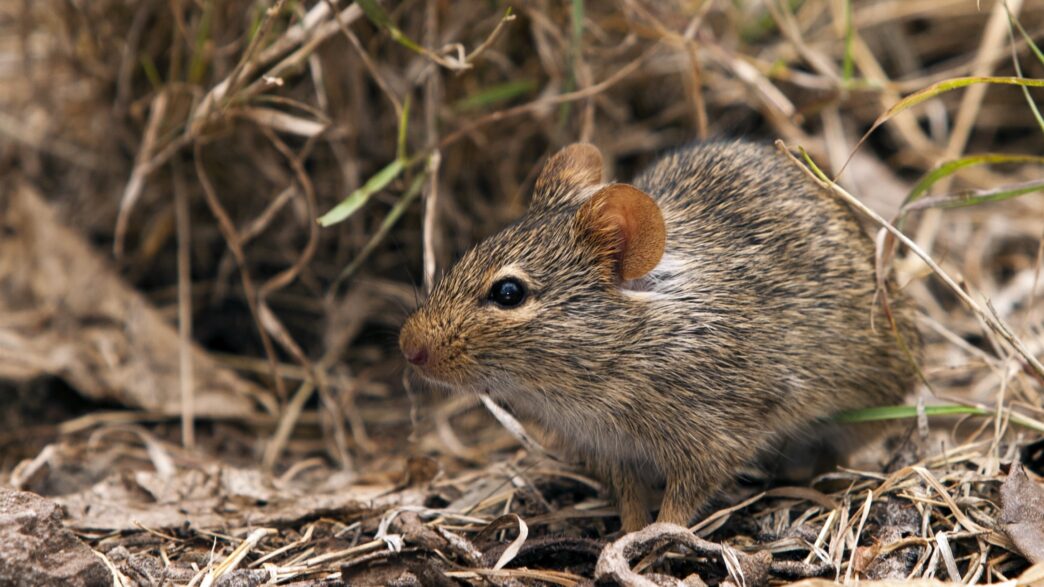
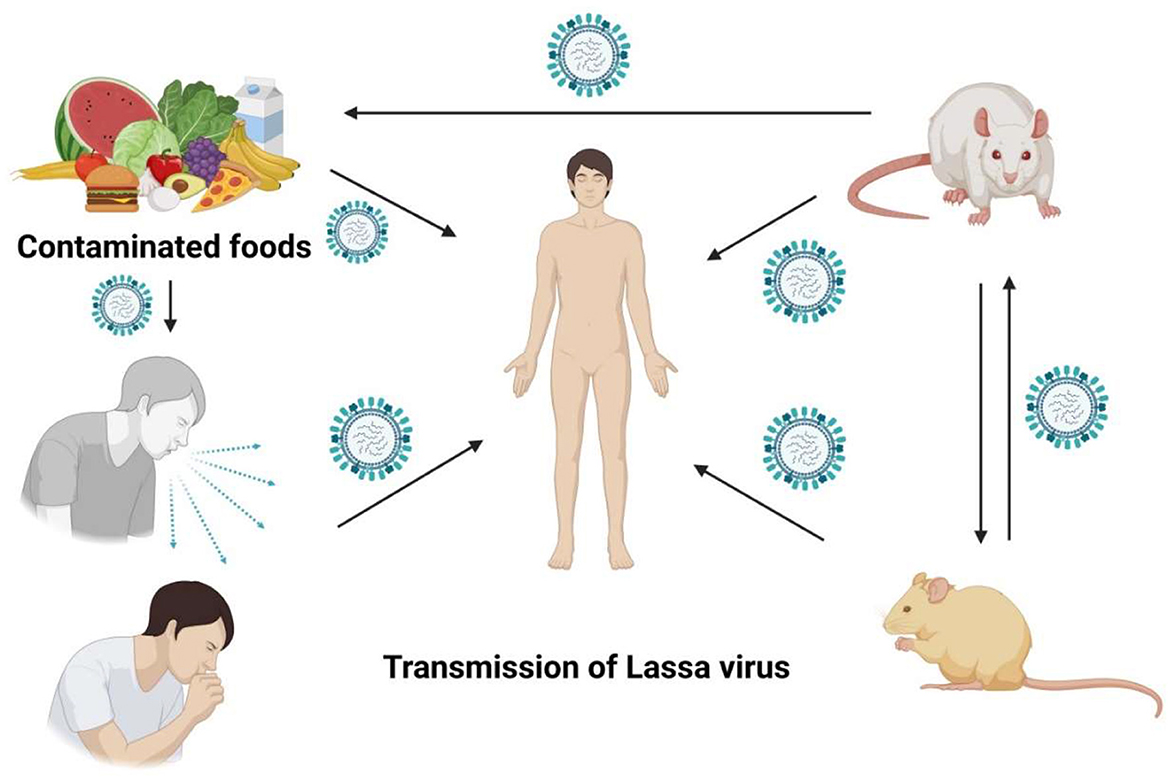
Lassa fever is an acute viral haemorrhagic illness caused by the Lassa virus, a member of the arenavirus family. The virus is transmitted by the common African rat (Mastomys species) and is endemic in Nigeria and other parts of West Africa. Humans are typically infected through contact with food or household items contaminated by the urine or faeces of infected rats.