Trending
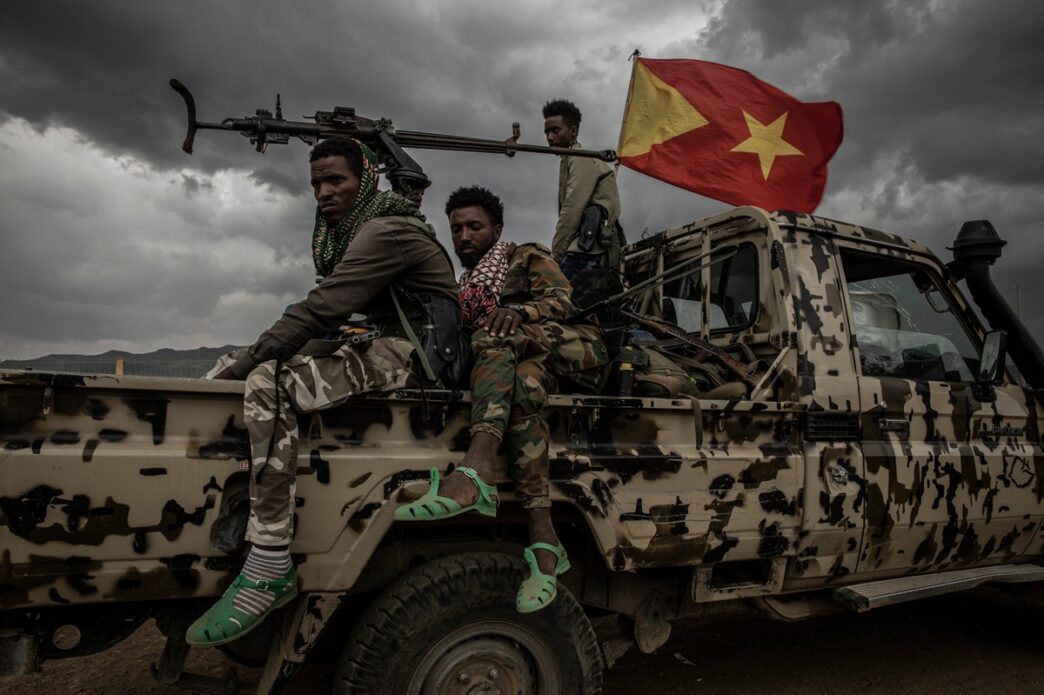
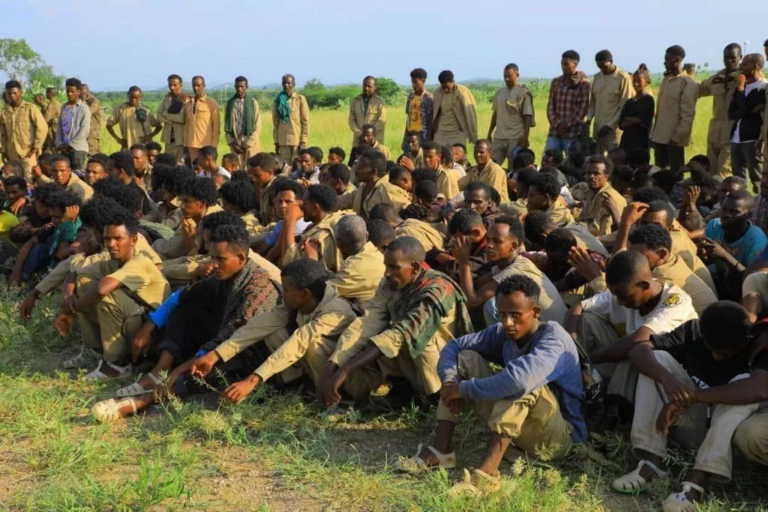
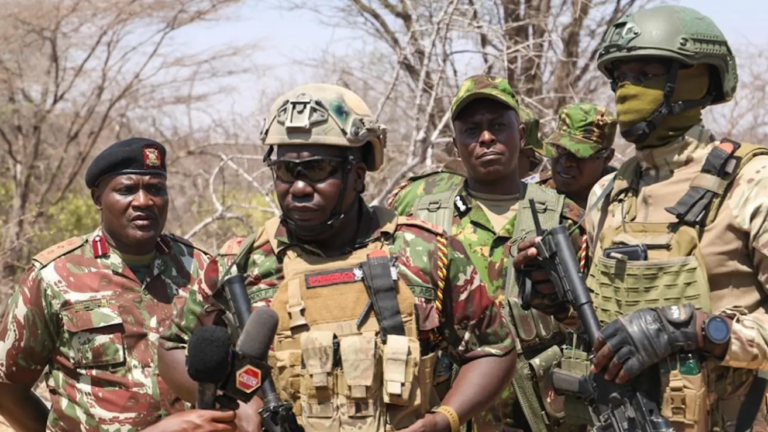
As Ethiopian and federal troops gather along the northern Tigray region, tensions rise, and stakeholders worry if these are signs of a recurrence of the Tigray civil war of 2020–2022, which caused the deaths of no fewer than 600,000 people.
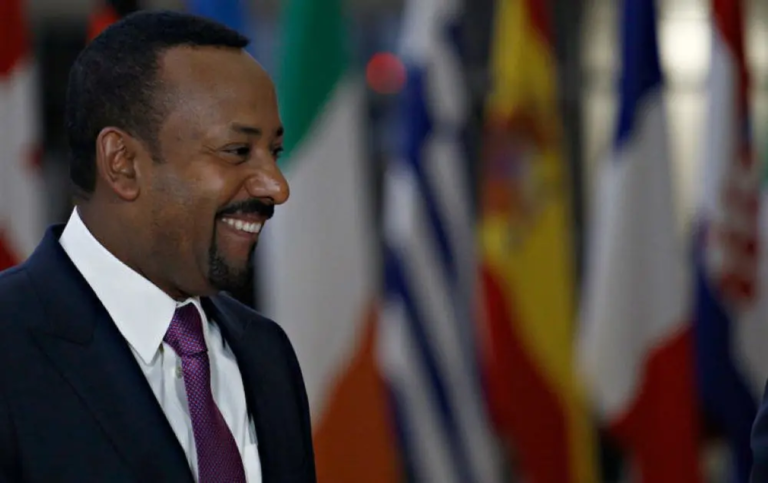
The conflict between the Ethiopian Government and Tigray dates back to November 2020, when the Tigray People’s Liberation Front (TPLF), the ruling party in Tigray at the time, waged war against the Ethiopian Government, led by Prime Minister Abiy Ahmed, with support from Eritrea.
Before the war, the TPLF had decried marginalisation after Abiy Ahmed’s Government centralised power and disputes escalated over regional elections in Tigray, which the Ethiopian Government opposed.
Although Ethiopia and Eritrea mobilised forces against Tigray, the relationship between Ethiopia and Tigray has, however, gone sour. The Ethiopian Government accused Eritrea of supplying Tigray troops with weapons, a claim which Eritrea has consistently denied.
Multiple ceasefire agreements were attempted, including the November 2022 truce, but fighting and tensions have flared intermittently, and in January, renewed fighting led to the suspension of flights to and from Tigray for several days.
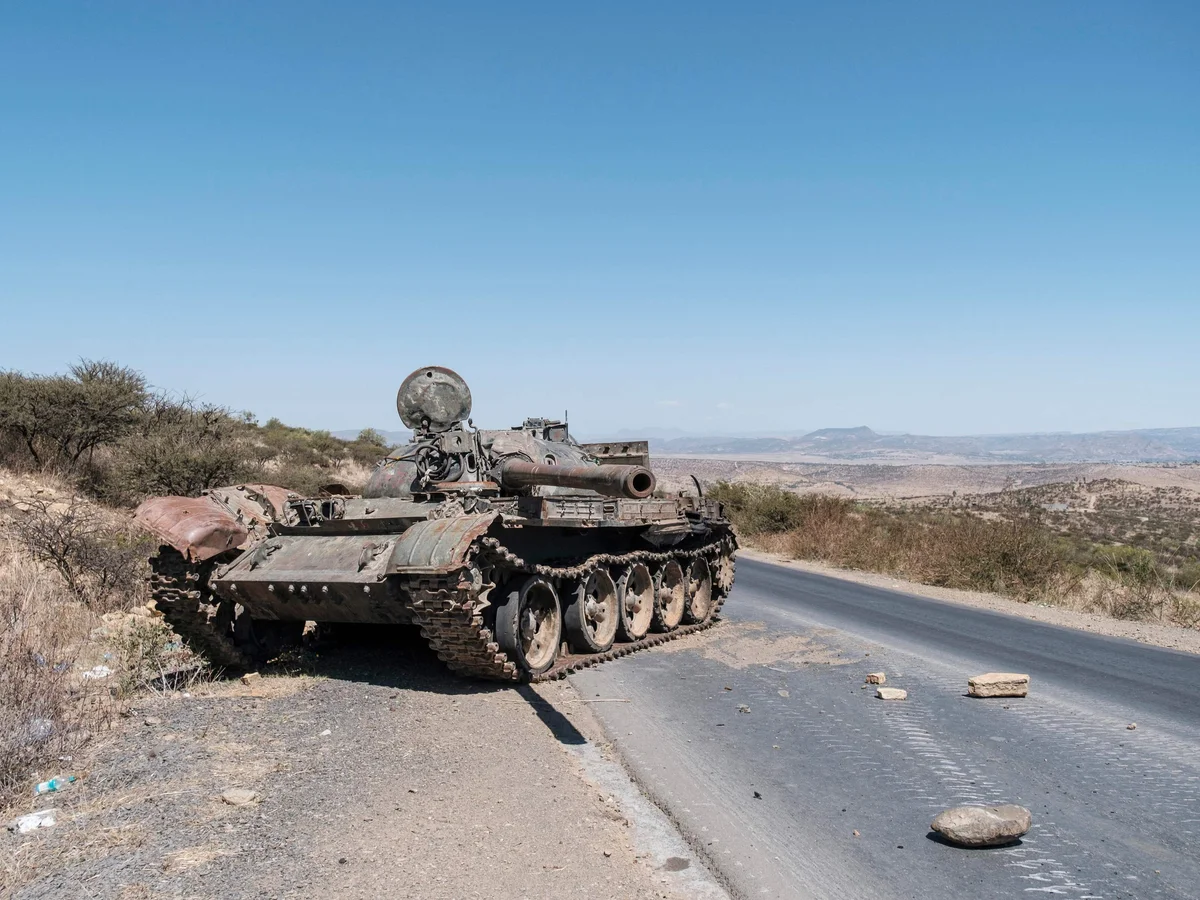
A Western diplomatic source told AFP that the Ethiopian army is encircling Tigray and that Tigrayan forces are also deploying toward their borders.
“Such large numbers of troops positioning themselves face to face is not a good sign,” the Western diplomatic source said.
A Tigrayan source also told AFP that the war risks escalation if the international community does not intervene and broker peace between the warring parties.
The United Nations High Commissioner for Human Rights, Volker Turk, called on the parties to the conflict in Tigray to take urgent de-escalation measures to end the conflict.