Trending
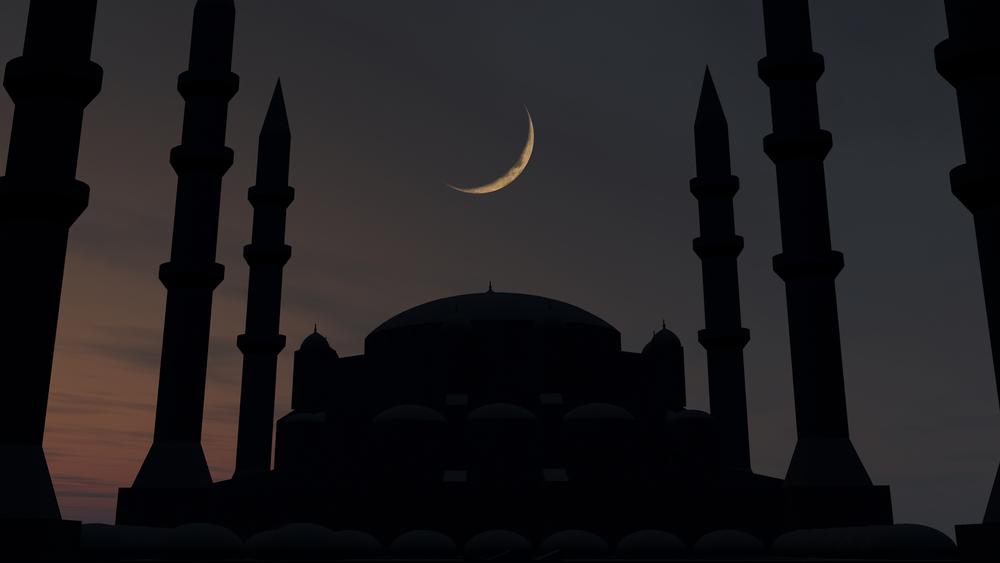
Saudi Arabia officially announced the sighting of the crescent moon on Tuesday, marking the beginning of the holy month of Ramadan for the year 1447 AH.
With the lunar confirmation, the first day of fasting for millions of believers in the Kingdom—as well as in nations like Nigeria, Qatar, and the United Arab Emirates—is set for Wednesday, February 18, 2026.
The spiritual observances will begin immediately, with the first Taraweeh prayers held in mosques following the Isha prayer on Tuesday night.
Read More : Washington Tightens Iran Economic Squeeze
While much of the Middle East and parts of Africa will begin their fast on Wednesday, the start date is not universal due to varying lunar observation results.
Authorities in Japan, Oman, Singapore, and Türkiye have announced that their first day of Ramadan will fall on Thursday, February 19, after the crescent moon was not sighted in those regions.
Religious leaders have encouraged Muslims globally to follow the specific fasting times and declarations designated by their local communities and national authorities.
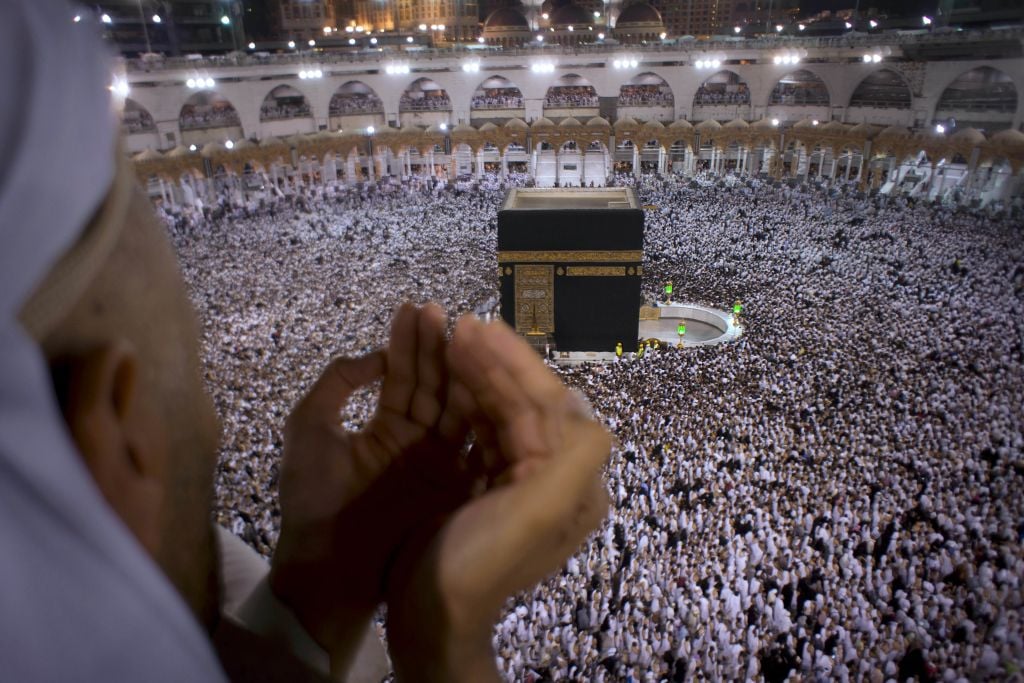
Ramadan, the ninth month of the Islamic lunar calendar, is a sacred period dedicated to prayer, self-reflection, and increased devotion for more than 1.8 billion Muslims worldwide.
Fasting from dawn until sunset is one of the five pillars of Islam and is obligatory for healthy adults, though the faith provides compassionate exemptions for young children, the elderly, travellers, and those who are ill or pregnant.
Read More : Tinubu Celebrates Oyedepo At 72
Because the lunar year is shorter than the solar year, the start of the month shifts annually, moving through different seasons over time.
Throughout the month, daily life in many Muslim-majority countries will adapt to the spiritual schedule, with schools and businesses often shortening their hours to accommodate the rigours of the fast and to allow families to gather for Iftar.
The period of communal worship and personal discipline will continue for 29 or 30 days, eventually culminating in the major global celebration of Eid al-Fitr.