Trending
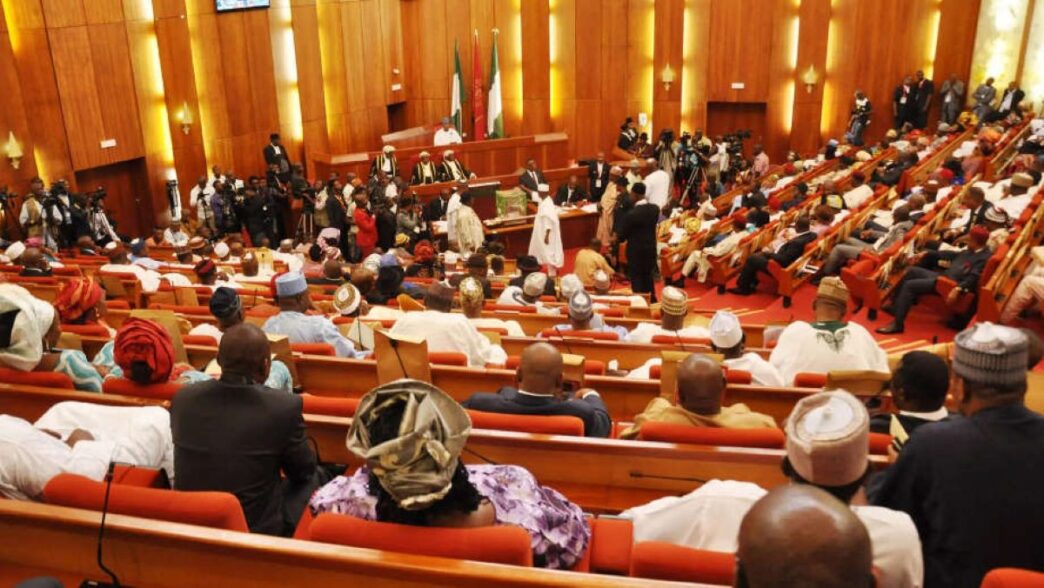
The Nigerian Senate moved on Tuesday to amend Clause 28 of the Electoral Act Amendment Bill, shortening the mandatory notice period for elections from 360 days to 300 days.
This legislative shift provides the Independent National Electoral Commission (INEC) with the flexibility needed to pull the 2027 general elections forward.
Under the new guidelines, INEC can now schedule the presidential and National Assembly polls for late December 2026 or January 2027, rather than adhering to a strictly year-long lead-up.
Read More : Tinubu Seeks Senate Approval For Research Fund
The decision to rework the bill, which had already been passed in early February, was driven by concerns over the 2027 religious calendar.
Senate Leader Opeyemi Bamidele explained that the original 360-day requirement would have likely pushed the elections into the month of Ramadan.
Lawmakers feared that holding a national vote during the holy month of fasting would negatively impact voter turnout, complicate logistical operations, and hinder the overall inclusivity and credibility of the democratic process.
Beyond the timeline adjustment, the Senate utilised a motion for rescission and recommittal to address a series of technical errors discovered during a post-passage review.
The amendments corrected discrepancies in the bill’s title, serial numbering, and internal cross-references across more than 20 separate clauses.
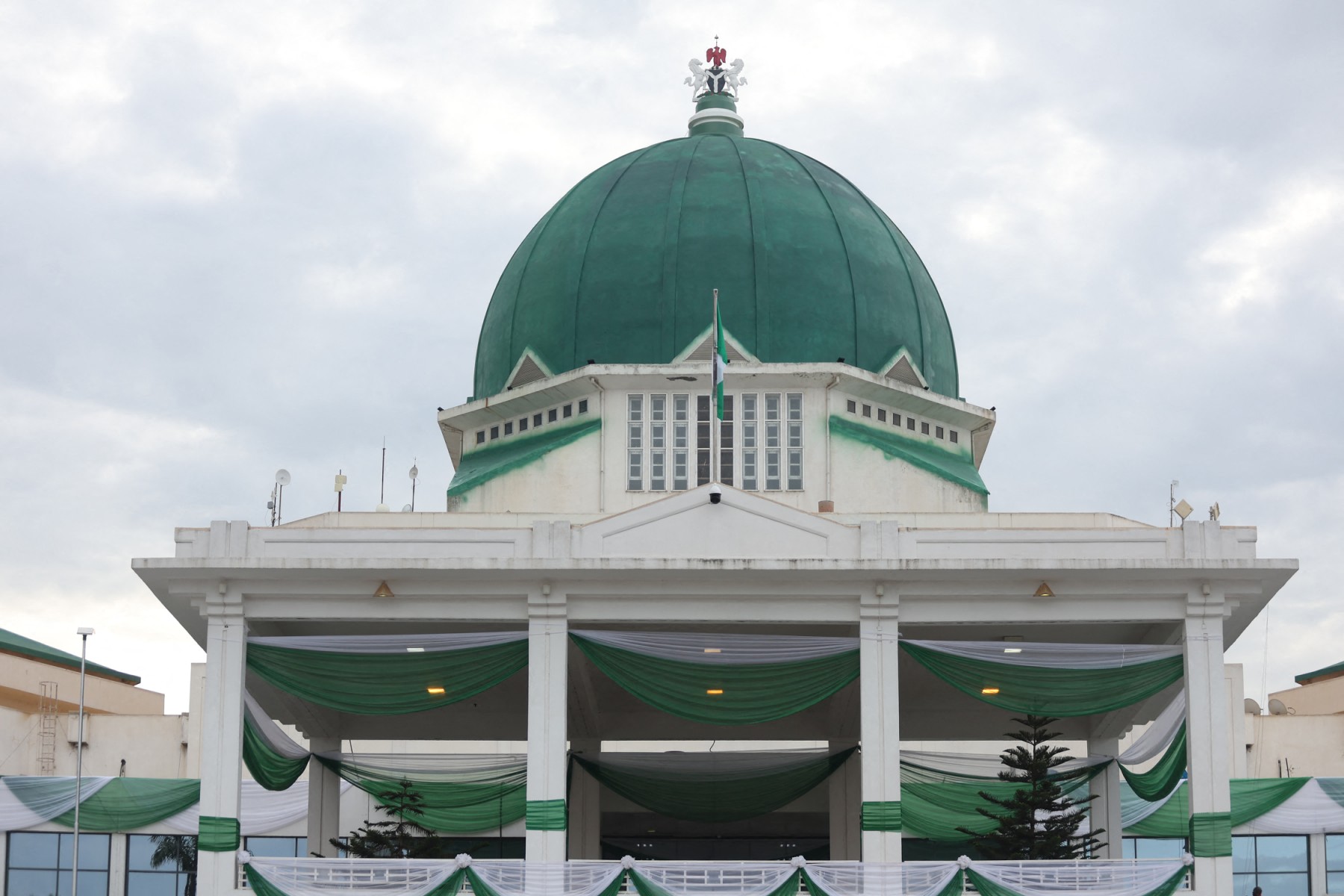
These “housekeeping” fixes were deemed essential to ensure that the final legal framework is consistent and free of contradictions before it moves toward its next stage of implementation.
Read More : Tinubu Ends Vacation, Heads to Lagos
This 60-day reduction follows significant public consultation and concerns raised by Muslim stakeholders regarding the initial February 2027 date.
By adjusting the statutory window, the National Assembly has cleared a path for INEC to avoid religious conflicts while maintaining a robust preparatory period.
The move is seen as a proactive effort to balance the rigid requirements of electoral law with the practical and cultural realities of the Nigerian electorate.