Trending
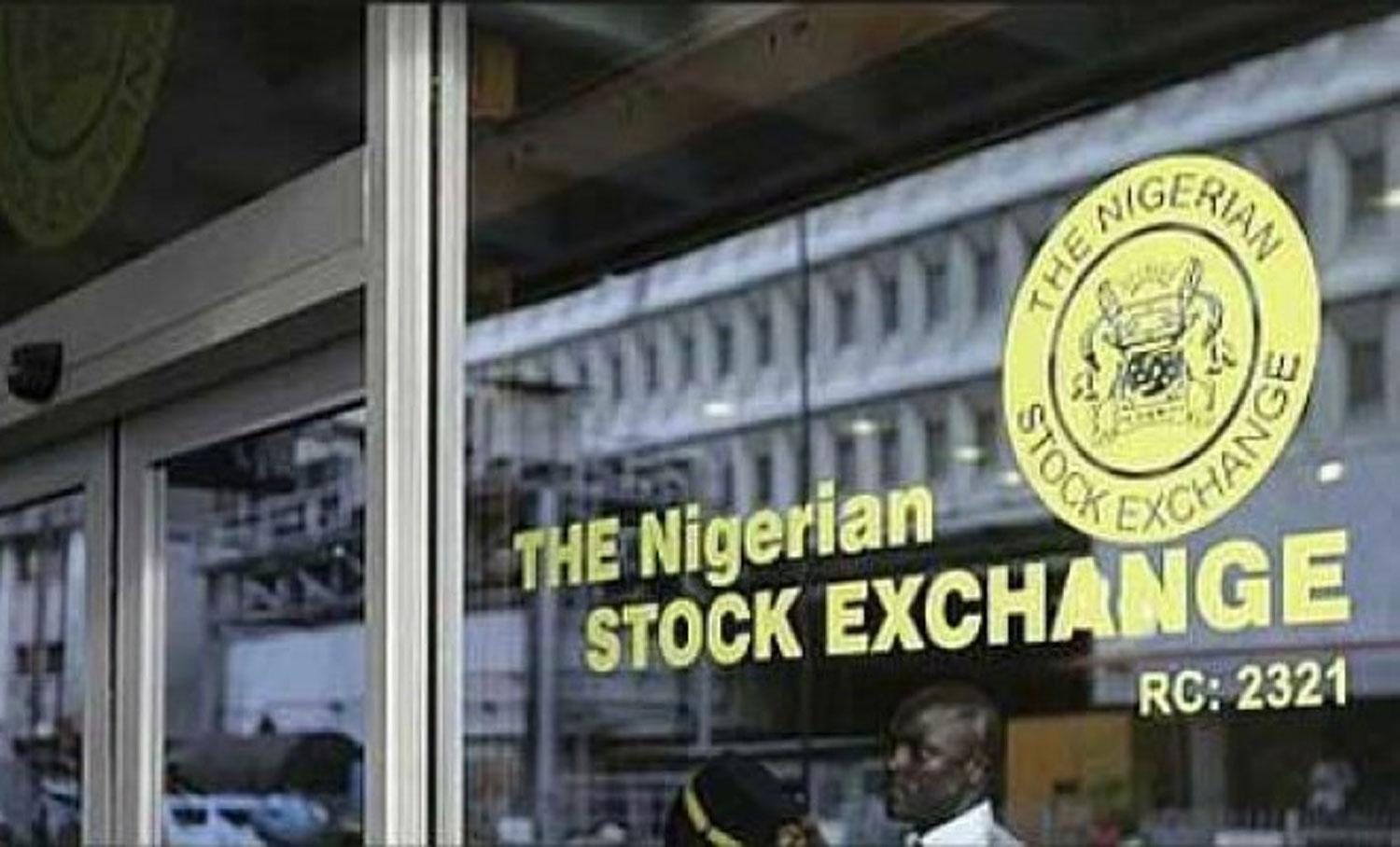
The Nigerian stock market has emerged as a global frontrunner in 2026, delivering the world’s second-best dollar returns with a 31% surge in its benchmark index.
This remarkable rally has allowed the Lagos Exchange to recover $21 billion in market value previously lost during the sharp naira devaluation of 2024.
Currently, the total market capitalisation stands at approximately $84 billion—nearly 58% higher than its valuation before the currency’s collapse—far outstripping gains in broader emerging and frontier markets.
Read More : White House Hosts AI Leaders on Regulation
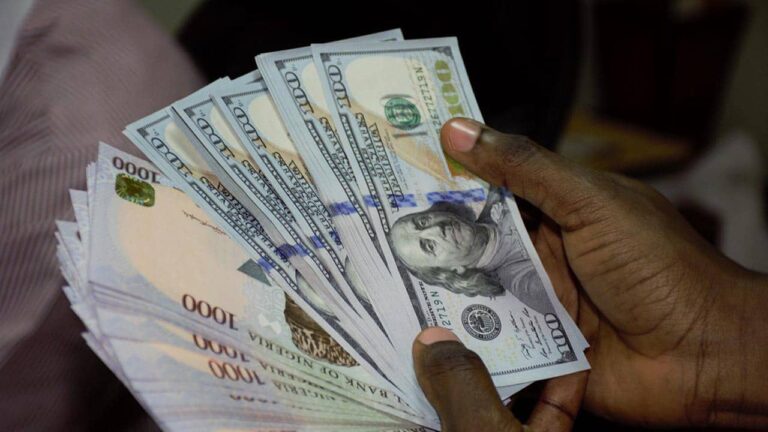
The resurgence is anchored by a significant rebound in the national currency, with the naira now ranked as the world’s second-best-performing currency of the year after gaining more than 7% against the dollar.
This stability has provided fertile ground for corporate recovery; analysts note that companies previously crippled by foreign exchange losses have successfully repaired their balance sheets and returned to profitability.
As a result, both local and international investors are aggressively pricing in future growth, viewing Nigerian equities as increasingly attractive after years of stagnant performance.
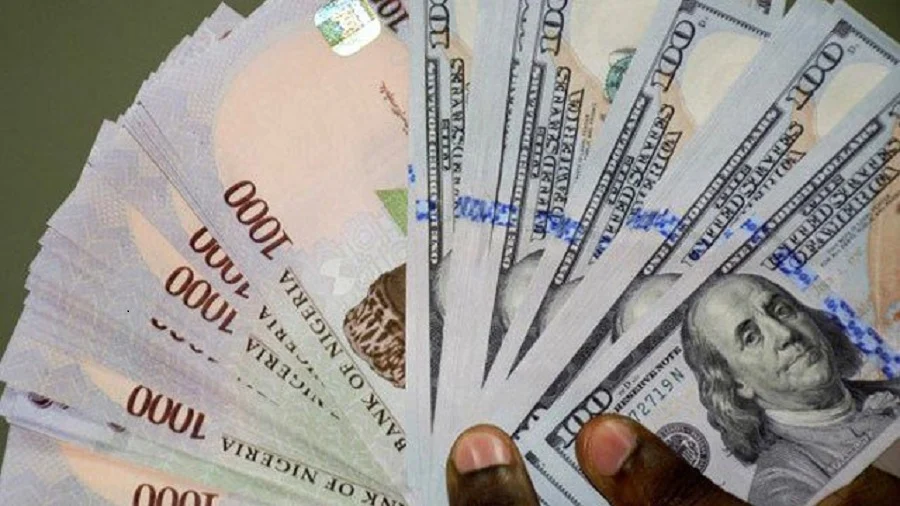
Foreign investor confidence has reached its highest point in nearly two decades, with non-Nigerian trading activity hitting a 19-year peak.
Data from the Nigerian Exchange Group indicates that international transactions tripled to 2.65 trillion naira ($1.97 billion) in 2025, a massive leap from the previous year’s figures.
This influx of global capital suggests that President Bola Tinubu’s economic reforms, aimed at liberalising the foreign exchange market and unifying rates, are beginning to gain serious traction with institutional investors.
Read More : Egypt to Host Africa Business Summit
Looking forward, the market appears poised to break the historic $100 billion valuation barrier.
Experts believe this milestone could be reached later this year with the anticipated listings of Aliko Dangote’s 650,000-barrel-a-day oil refinery and his fertiliser plant.
These massive additions to the exchange are expected to trigger further capital gains of up to 34%, solidifying Nigeria’s position as a primary destination for investment in the African continent.