Trending


Citizens of the Maldives will head to the polls on April 4, 2026, for a nationwide referendum that could fundamentally reshape the country’s electoral system.
President Mohamed Muizzu issued a formal decree on Monday night calling for the plebiscite, which asks voters to decide if presidential and parliamentary elections should be synchronised.
If the proposal is approved, it would align the two cycles to occur on the same day, a move intended to modernise the Indian Ocean archipelago’s governance and reduce bureaucratic redundancy.
The primary motivation behind the reform is economic, with the government estimating that merging the two national votes would save approximately $8 million.
The Maldives has been navigating a period of significant fiscal strain, recently opting for domestic austerity measures over an International Monetary Fund (IMF) bailout.
These measures have included sweeping spending cuts and a symbolic 50% reduction in President Muizzu’s own salary.
Synchronising the calendar is seen as a strategic step toward long-term financial stability while the nation works to rebalance its economy.
Should the referendum pass, the transition would require a one-time adjustment to the current legislative timeline.
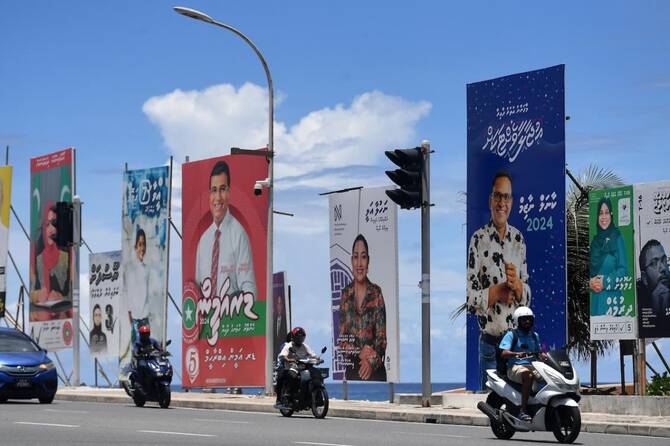
Specifically, the next parliamentary vote would be brought forward, effectively shortening the current term of the People’s Majlis by about five months.
This overhaul has gained considerable political momentum, receiving a formal resolution from the parliament and rare public support from former president Mohamed Nasheed.
The vote is set to take place alongside local council elections, creating a major day of civic decision-making for the nation’s 382,000 residents.
While the Maldives continues to benefit from a thriving tourism industry, officials insist that current financial pressures are temporary and manageable through internal reforms like this electoral shift.
By consolidating the polls, the administration aims to ensure that the democratic process remains robust without placing an undue burden on the national treasury.
As the April 4 date approaches, the focus remains on whether voters will prioritise the immediate logistical shift for the sake of these significant projected savings.