Trending
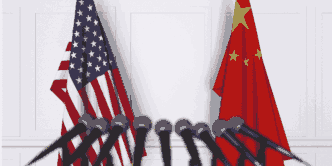

Beijing on Wednesday issued a sharp rebuke to the United States, accusing Washington of “interfering in China’s internal affairs” following the appointment of a new American envoy dedicated to Tibetan rights.
The diplomatic row was triggered by U.S. Secretary of State Marco Rubio, who announced that Riley Barnes would serve as the Special Coordinator for Tibetan Issues.
Rubio’s announcement, timed to coincide with Losar—the Tibetan New Year—reiterated Washington’s commitment to preserving the language, religious heritage, and human rights of the Tibetan people.
Read More : Floods Kill Four in Eastern Spain
China’s foreign ministry responded by stating it has never recognised the U.S. position, which it views as a violation of international norms.
Officials in Beijing emphasised that affairs regarding Tibet are purely domestic and “tolerate no interference from any external forces.”
This tension comes as Marco Rubio, a long-time hawk on Chinese human rights, shifts from his former role as a senator to the top U.S. diplomat, where he has frequently used human rights advocacy as a strategic tool against geopolitical adversaries.
A central point of the burgeoning conflict is the future of the Dalai Lama.
The 90-year-old spiritual leader has lived in exile in India since 1959, and U.S. policymakers have become increasingly active in defending the traditional religious rituals used to select his successor.
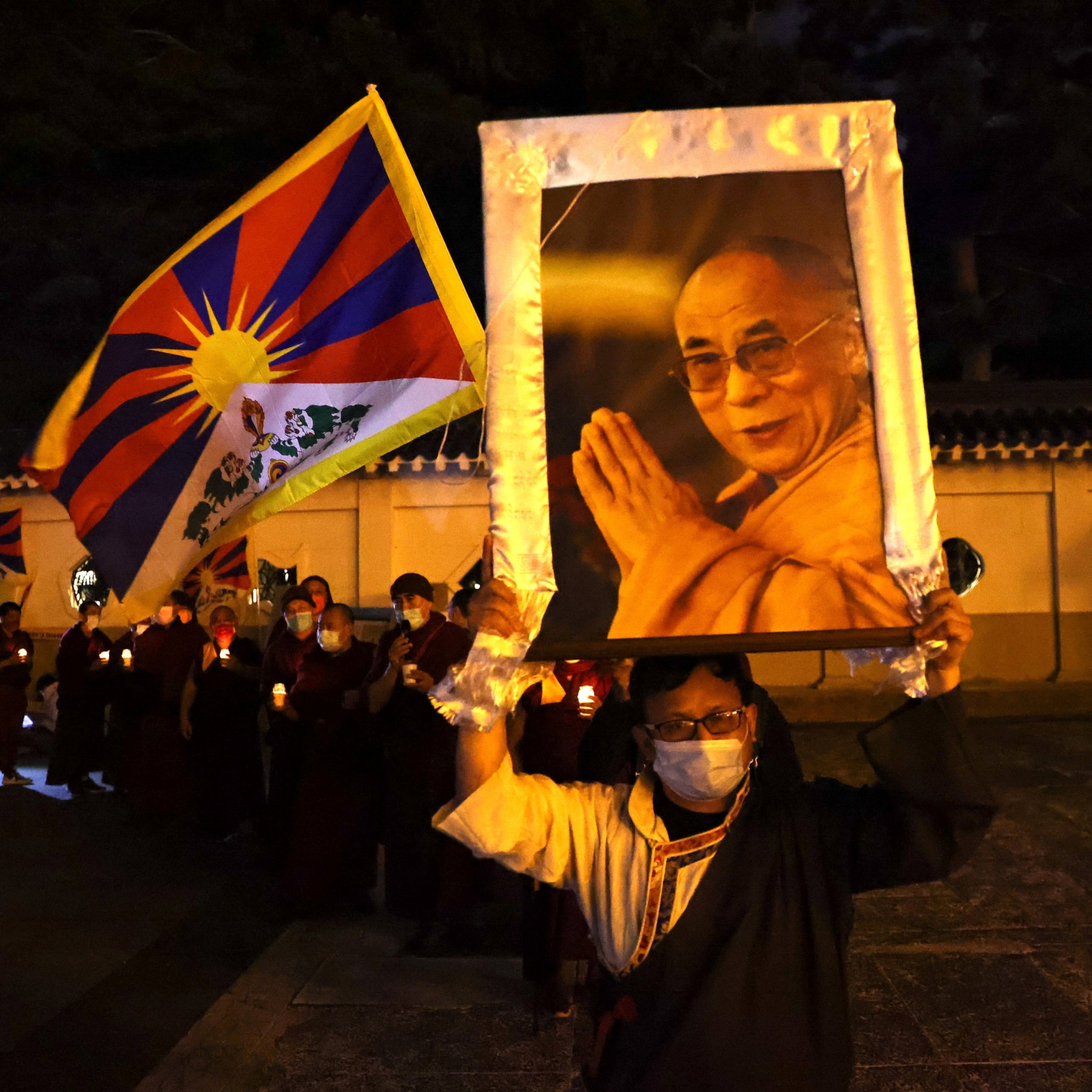
International critics and U.S. officials fear that Beijing intends to bypass these traditions to install a compliant, state-sanctioned successor once the current Dalai Lama passes away, effectively neutralising the global movement for Tibetan autonomy.
The Special Coordinator role is a mandate of a 2002 Act of Congress, though its prominence has fluctuated between administrations.
By filling the position with a senior official like Barnes, the current Trump administration is signalling a more confrontational approach to China’s domestic policies.
As the 90-year-old Dalai Lama’s health and succession remain a focal point of global concern, the appointment of this envoy ensures that Tibet will remain a major friction point in the complex and often strained relationship between the world’s two largest powers.