Trending
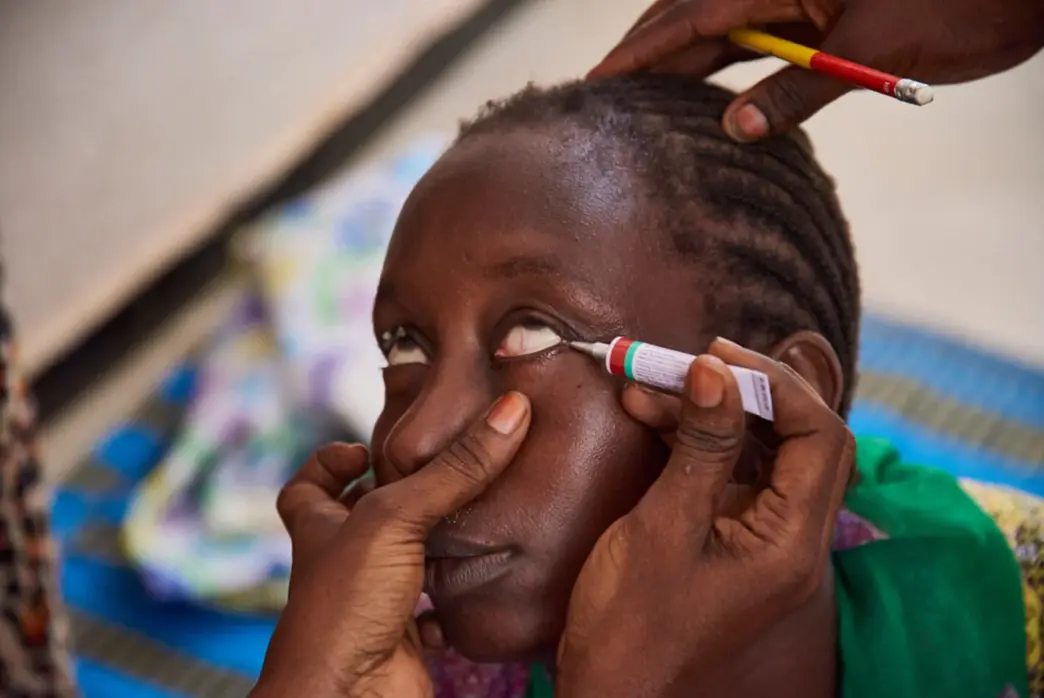
After decades of sustained efforts to eliminate Trachoma, the World Health Organisation (WHO) declared Libya free of the neglected tropical disease (NTD) on Wednesday.
Trachoma is a contagious bacterial eye infection that can lead to blindness if left untreated. The disease has been present in Libya for many decades, particularly in rural and underserved communities.
Like many countries in North Africa and the Sahel, Libya recorded cases throughout the 20th century, when Trachoma was widespread across parts of Africa and the Middle East due to limited access to water and sanitation.
Read More : Kenya Confirms First Ebola Fatality
Wednesday’s declaration makes Libya the 28th country in the world and the 8th in the Eastern Mediterranean Region to eliminate Trachoma.
The WHO Director-General, Dr Tedros Adhanom Ghebreyesus, described Libya’s Trachoma-free status as a landmark victory for public health in the WHO’s Eastern Mediterranean Region and a powerful reminder that countries can overcome neglected tropical diseases despite persisting challenges.
“This milestone reflects Libya’s determination to safeguard the health of its people and reinforces our conviction that progress against neglected tropical diseases is possible everywhere,” said Ghebreyesus.
“Eliminating trachoma as a public health problem is an inspiring achievement for the Eastern Mediterranean Region and for communities across Libya.”
Trachoma Elimination Efforts
Libya has been on course to eliminate the disease, which has ravaged the country for over a century. Still, years of political instability and humanitarian challenges that strained health services, displaced populations and increased demand for basic services have hampered progress.
The Libyan Government, the WHO, and other international organisations have initiated numerous projects to eliminate Trachoma in Libya.
Read More : Unknown Virus Leaks From Russian Lab
Among these projects is the National Prevention of Blindness Program, which was launched by Libya’s Ministry of Health in 2017.
Libya’s Acting Minister of Health, Dr Mohamed Al-Ghoj, noted that despite these challenges, the national trachoma elimination programme successfully integrated surveillance, expanded access to surgical care, built capacity among eye health workers and partnered with national and international stakeholders.
“Even through difficult years, we maintained our focus on improving eye health services and ensuring no one was left behind. This success would not have been possible without the professionalism and dedication of our doctors, nurses and health workers in the field who reached all and every district to ensure a future free of preventable blindness,” said Al-Ghoj.