Trending
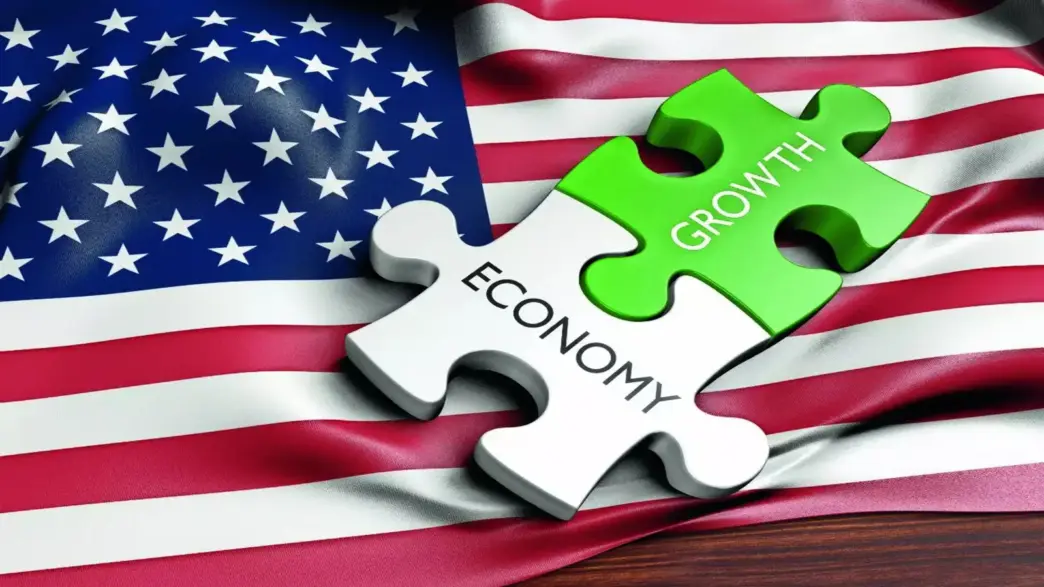
The United States economy cooled significantly in the final months of 2025, recording an annualised growth rate of just 1.4%.
This marked a sharp decline from the 4.4% expansion seen in the previous quarter and contributed to an overall annual growth rate of 2.2%—the most sluggish performance since 2020.
A historic government shutdown played a major role in this deceleration, delaying data reporting and shaving an estimated percentage point off the total Gross Domestic Product (GDP) as federal spending was abruptly curtailed.
Despite the slowdown, the economy managed to avoid the more dire “worst-case scenarios” that many analysts predicted following the implementation of sweeping tariffs and stricter immigration policies earlier in the year.
While job creation reached its weakest stretch since the Great Recession, the economy was largely propped up by resilient spending from wealthy consumers.
However, this stability appears fragile, as the national savings rate plummeted to 3.6%, its lowest level in over three years, suggesting that many Americans are dipping into their reserves to maintain their lifestyles.
Inflation remains a persistent thorn in the side of the recovery, with the Federal Reserve’s preferred price gauge hitting 2.9% in December—the highest mark in nearly two years.
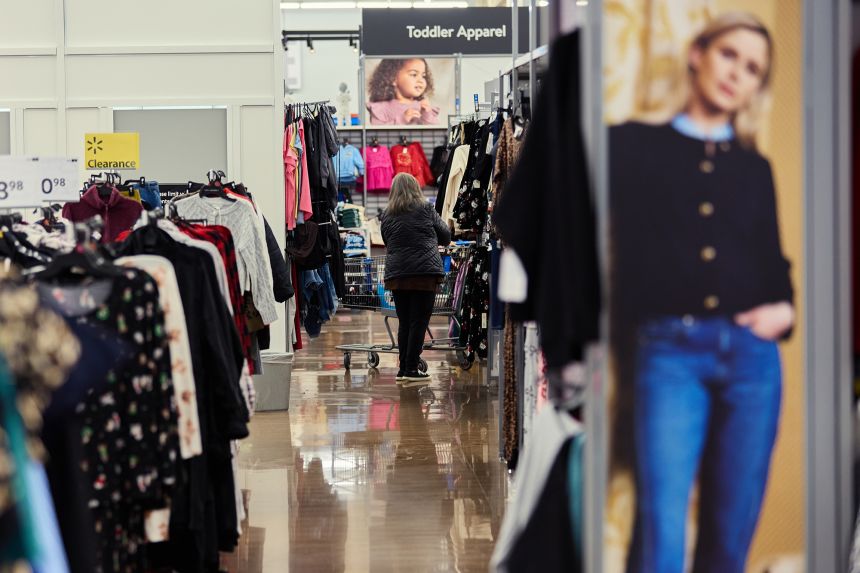
This spike was driven in part by higher costs for goods like toys, furniture, and appliances, which have been directly impacted by the administration’s aggressive trade tariffs.
As a result, lower-income households are feeling the brunt of the pressure, struggling under the combined weight of rising debt and the cumulative effects of inflation over the past several years.
Read More : PETROAN Directs Members To Inspect Fuel Meters
Looking ahead, economists are divided on whether the current quarter will see a rebound.
While there is hope that the economy will recoup losses caused by the government shutdown, the core inflation rate (which excludes food and energy) has risen to 3%, moving further away from the Federal Reserve’s 2% target.
With business spending providing one of the few silver linings by ticking upward to 3.7%, the path for 2026 remains uncertain as the central bank weighs the necessity of further interest rate adjustments against a cooling labour market.