Trending

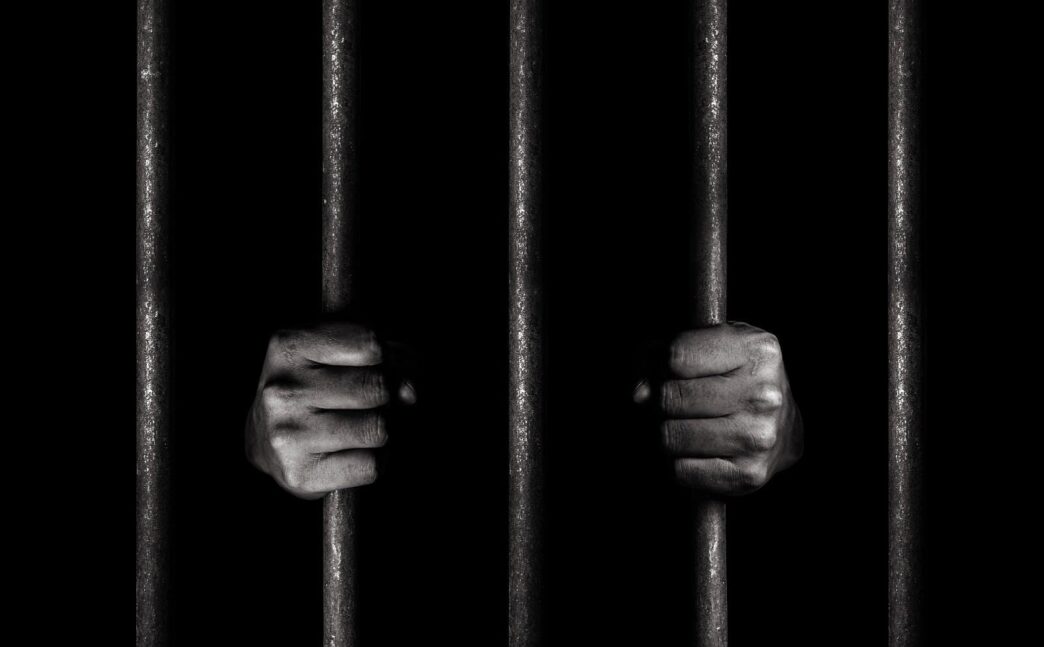
Venezuela’s National Assembly has approved an amnesty law that paves the way for the release of 379 political prisoners, according to a lawmaker overseeing the process.
The legislation was unanimously adopted by the National Assembly and provides for amnesty to individuals detained or prosecuted for politically related offences.
National Assembly deputy Jorge Arreaza said the Public Prosecutor’s Office had submitted requests to the relevant courts and that the 379 detainees “must be released and granted amnesty between tonight and tomorrow morning.”
“Requests have been submitted by the Public Prosecutor’s Office to the competent courts to grant amnesty measures,” Arreaza said.
The law, however, excludes individuals prosecuted for promoting or facilitating armed or forceful actions against Venezuela’s sovereignty involving foreign actors. It also does not apply to members of the security forces convicted of terrorism-related offences.
Interim President Delcy Rodríguez defended the measure, saying, “We are building a more democratic, more just, and freer Venezuela, and it must be with the effort of everyone.”
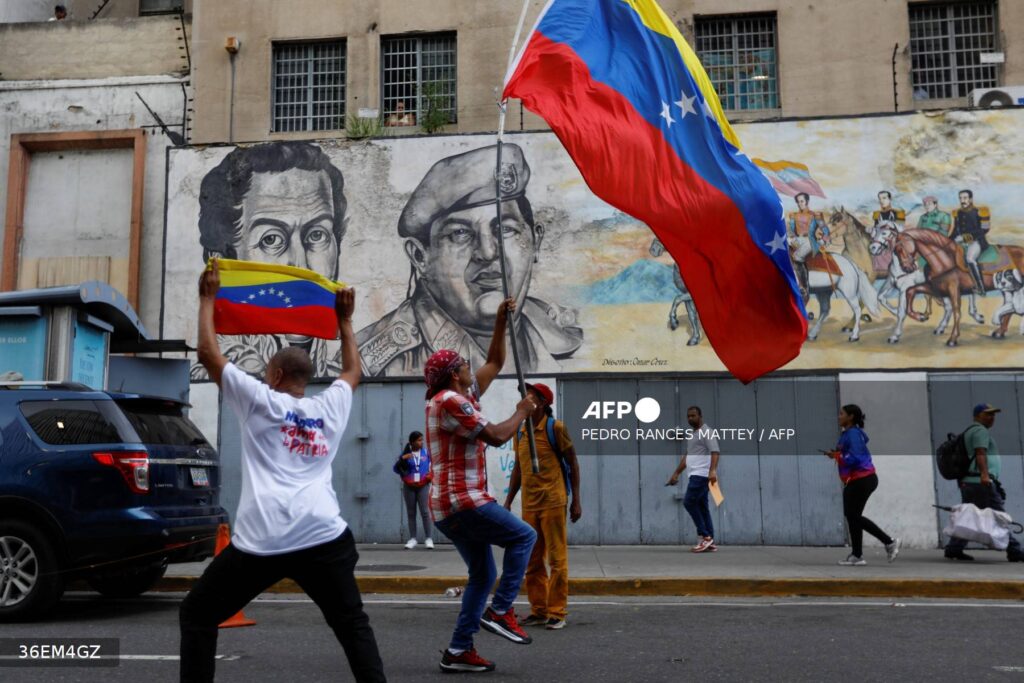
Some inmates might not be eligible under the law’s exclusions, according to opposition leaders and detainees’ families, who voiced differing opinions.
“Many of us are aware that the amnesty law does not cover our relatives,” according to Hiowanka Avila, whose brother is in custody.
Rights group Foro Penal previously estimated that about 650 people were being held for political reasons, though updated figures have not yet been released.
There will be “no lasting reconciliation without memory or responsibility” in Venezuela, according to Venezuelan opposition leader Edmundo Gonzalez Urrutia, who is currently living abroad.
“A responsible amnesty is the transition from fear to the rule of law. It is the pledge that power will not be exercised again without limits and that the law will be above force,” Gonzalez Urrutia wrote on X.
Alfredo Romero, the director of the Foro Penal, stated on Friday that obtaining “amnesty is not automatic,” but rather necessitates a legal procedure, which is perceived by many as a tool of Nicolas Maduro’s repression.