Trending
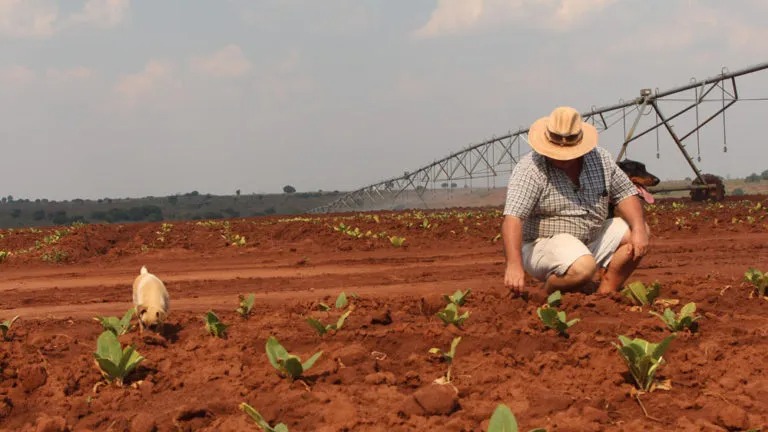
White Zimbabwean farmers have asked United States President Donald Trump to intervene in the compensation the Zimbabwean Government promised them following their eviction 25 years ago.
These farmers were evicted from their lands in the early 2000s and were promised $3.5 billion by Zimbabwean President Emmerson Mnangagwa’s administration in 2020, a deal the administration has yet to fulfil six years later.
The farmers, many of whom are now aged 70 to 80, have appealed to the Zimbabwean Government to pay the compensation, but their pleas have fallen on deaf ears. The farmers’ unions engaged a US lobbying firm in 2025, hoping that their plights would be communicated to Trump, who would intervene.
Harry Orphanides, from the Property and Farm Compensation Association, one of the groups that approached the US firm, told AFP that many farmers are experiencing financial difficulties.
“It’s a serious strain on the farmers, especially those who are elderly and have no other sources of income, as they are completely dependent on farming. Some of them are really desperate,” Orphanides told AFP.
A rights lawyer, Siphosami Malunga, told AFP that if the United States Government would take something in return from Zimbabwe if it weighs in on the case.
“New US foreign policy in Africa is more transactional,” he explained.
Read More : Zimbabwe Helicopter Crash Leaves No Survivors
“If the Trump administration does take this up, it will likely seek some kind of deal,” said South Africa-based analyst Nicole Beardsworth, calling it a “risky prospect”.
There have been numerous historical cases in which the United States government provided assistance to another country and received something of strategic, economic, or political value in return. For instance, earlier in 1903, the United States supported Panama’s independence from Colombia. Soon after, it secured rights to build and control the Panama Canal.
In some other cases, the US secures access to the country’s mineral resources in exchange for aid through partnerships.