Trending
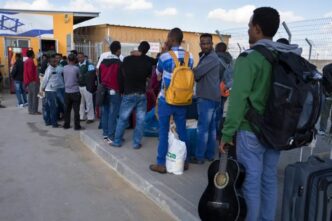
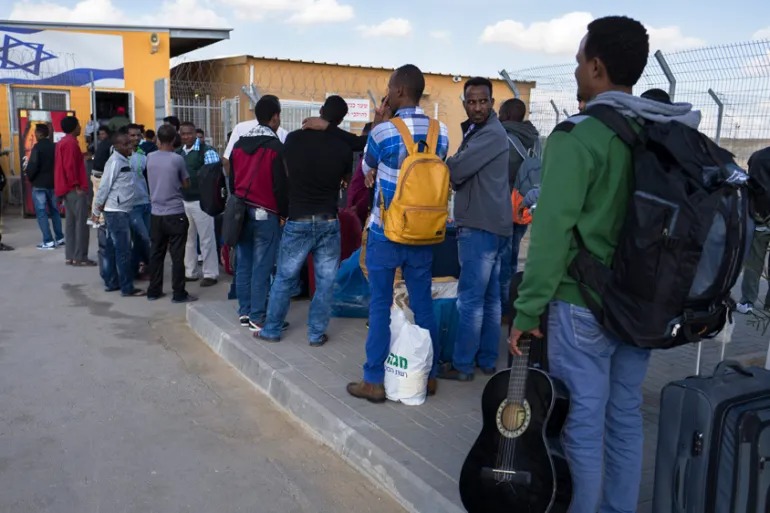
A human rights non-governmental organisation (NGO), Human Rights Concern – Eritrea (HRCE), has revealed that more than 3,000 refugees from Eritrea have been arrested in Egypt since January 10, 2026.
Eritrea, a country with limited civil liberties, no free elections, and reports of arbitrary detention and restricted freedom of expression, has been described as a country with one of the most repressive governments in the world.
Many of the country’s citizens risk dangerous journeys to flee to neighbouring countries and Europe to seek asylum or employment to escape human rights abuses and economic hardship. According to the United Nations High Commissioner for Refugees (UNHCR), about 663,000 Eritreans were refugees or asylum‑seekers at the end of 2024.
Read More : US Lifts Sanctions on Eritrean Defence Forces
Testimonies of survivors and photographs show that many Eritrean refugees had suffered “beatings and burns inflicted with hot water and corrosive substances”, and sexual violence. The human rights group added that two young children have reportedly died after their mother was arrested.
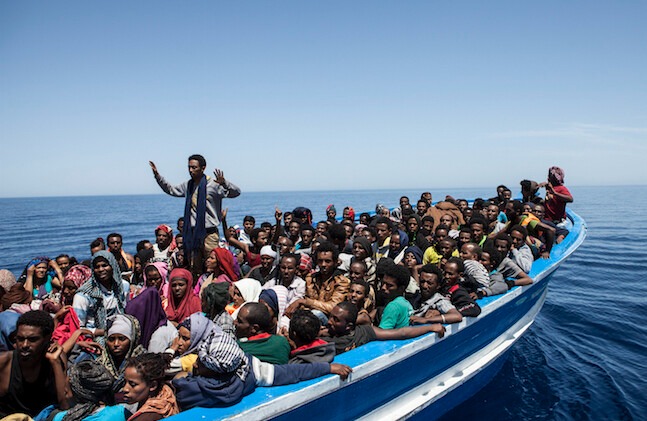
HRCE urged the United Nations’ intervention in preventing the deportation of the Eritrean refugees to appeal to Egypt to uphold its obligations under the international refugee law.
Eritrean refugees in other countries, such as Sudan and Ethiopia, have been exposed to violence, including sexual violence, due to conflict and insecurity. In Sudan, women and girls among Eritrean refugees have suffered widespread abuses amid fighting. In Ethiopia, refugees have faced insecurity in conflict‑affected regions and sometimes arbitrary detention.
Some Eritrean asylum seekers risk deportation to their home country, where they may be exposed to serious risks.