Trending

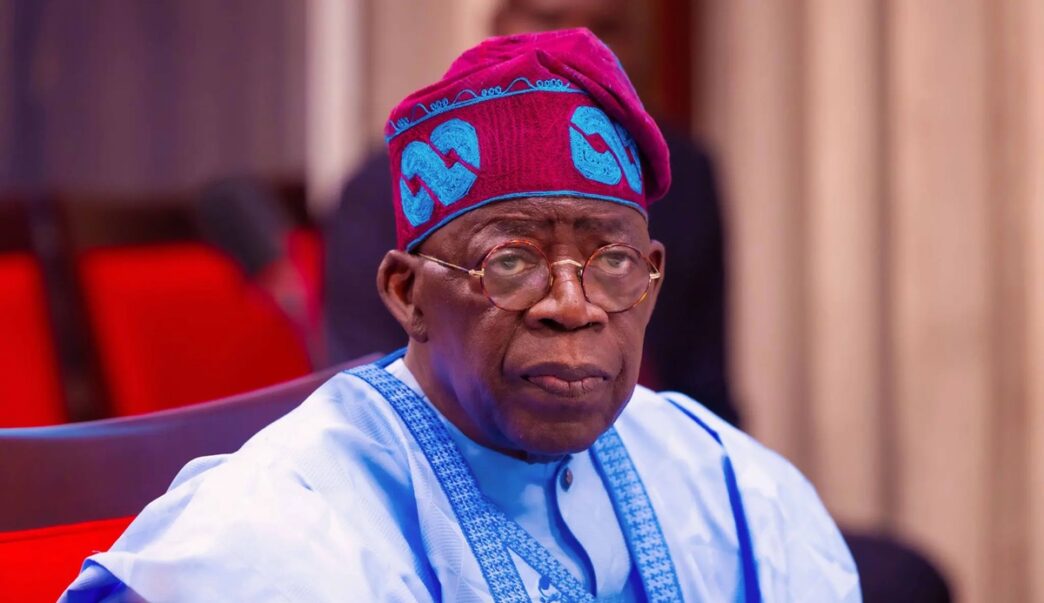
The Special Adviser to President Bola Tinubu on Media and Public Communications, Sunday Dare, has defended the recently issued Executive Order 9, insisting it reinforces constitutional provisions on revenue management rather than exceeding executive authority.
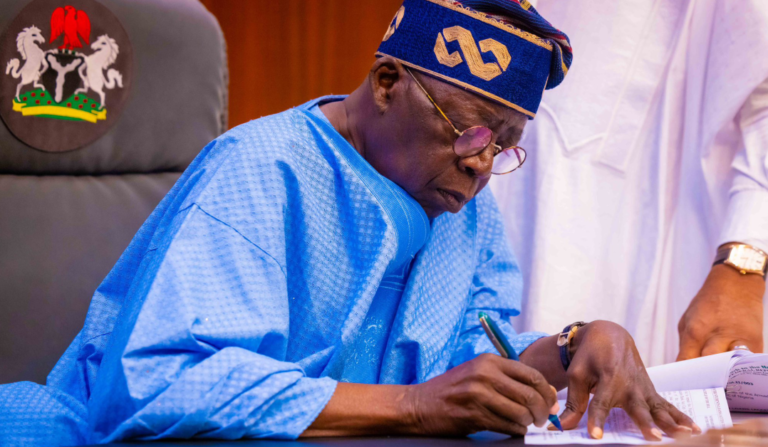
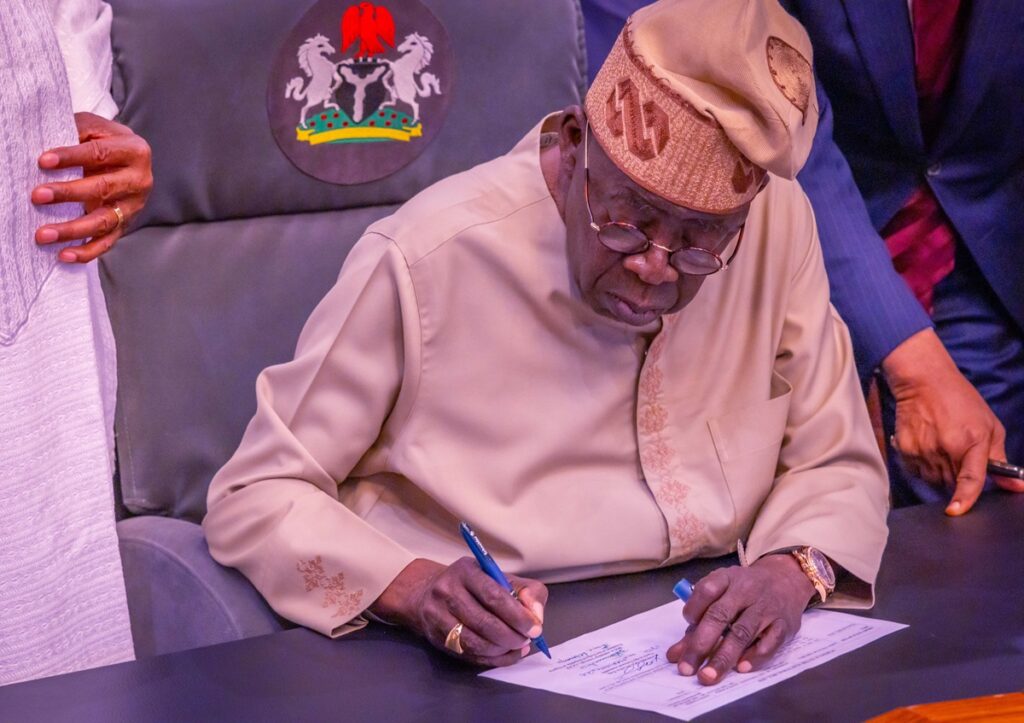
The President last Wednesday signed the directive, known as the Presidential Executive Order to Safeguard Federation Oil and Gas Revenues and Provide Regulatory Clarity.
In response to criticism, Dare wrote on X (formerly Twitter) on Monday that the order does not amount to the President making laws, calling such interpretations a misinterpretation of the fiscal framework and constitutional provisions.
He explained that the 1999 Constitution mandates that all revenues collected by the federation be paid into the Consolidated Revenue Fund, stressing that no public funds can be retained or spent outside constitutionally recognised channels.
“Section 80(1) of the Constitution (1999, as amended) is mandatory: all revenues or other moneys raised or received by the Federation shall be paid into and form one Consolidated Revenue Fund of the Federation.”
He added that revenues must also pass through the Federation Account for distribution in line with established allocation principles.
According to him, the executive order simply gives practical effect to these provisions within the oil and gas sector by directing that all petroleum-related revenues, including royalties, taxes, and other proceeds, be remitted directly into designated government accounts, while also improving transparency and accountability in revenue management.
Dare further maintained that the directive does not encroach on the powers of the National Assembly or alter any existing laws, including the Petroleum Industry Act.
“EO9 does not intrude into legislative competence. Section 60(1) preserves the procedural autonomy of the National Assembly; EO9 does not regulate legislative procedure, amend the Petroleum Industry Act (PIA), or repeal any statute,” he said.
Instead, he said, it was issued under the President’s constitutional powers to ensure the proper implementation of existing laws.
Read More : Zamfara Police Arrest Youth Over Video Threat
He noted that any concerns regarding the legality of the order should be addressed by the courts, adding that, until a judicial ruling is issued, the government remains obligated to protect public revenue, uphold constitutional provisions, and strengthen fiscal stability.
“It is an executive instrument issued under Section 5 to ensure faithful execution of the Constitution and applicable laws. If any party disputes the constitutional validity of EO9, the judiciary remains the proper forum for determination,” Dare stated.
“Pending any judicial pronouncement, the Executive is duty-bound to protect Federation revenues, uphold constitutional supremacy, and strengthen fiscal integrity for FAAC distributions, budget credibility, and macroeconomic stability. “