Trending
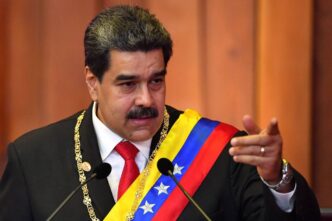
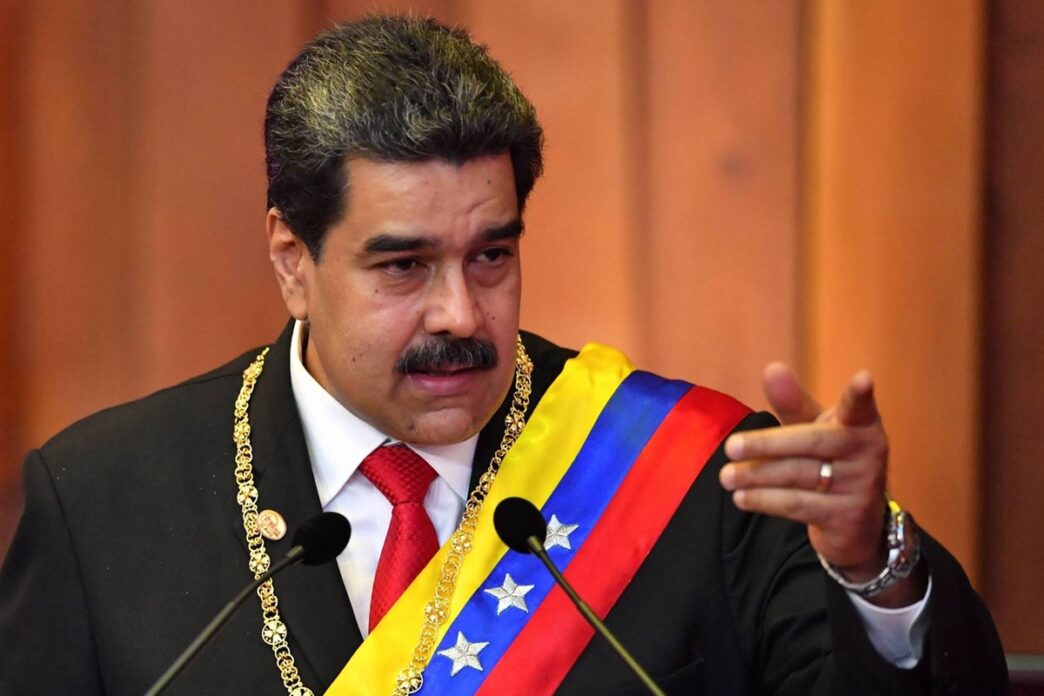
Venezuela’s foreign minister, Yvan Gil Pinto, delivered a forceful appeal on Monday at the United Nations Human Rights Council in Geneva, urging the United States to immediately release Nicolás Maduro and his wife, Cilia Flores.
Gil described Maduro as “the constitutional president of the Bolivarian Republic of Venezuela” and demanded his “immediate release by the government of the United States of America,” underscoring the government’s position that his capture was illegal.
Maduro, who led Venezuela from 2013 until early January 2026, was captured by U.S. forces during a January 3 military operation that also took the life of more than 100 people, according to Gil’s address. The Venezuelan foreign minister described the U.S. action as a blatant violation of international norms, saying that “an illegal military action against our country resulted in the deaths of more than 100 people and the arbitrary detention” of Maduro and Flores.
Read More : Bolsonaro Defies Exit Ban, Flees to US
The 63-year-old former leader has pleaded not guilty to drug trafficking charges in a U.S. court and has declared himself a “prisoner of war.”
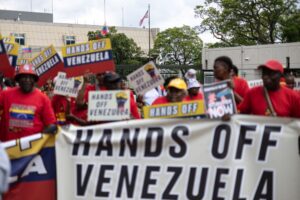
Gil also criticised the imbalance of power, saying that although the action was carried out in the context of “profound technological and military asymmetry” between the United States and Venezuela, Caracas still seeks “diplomatic channels” to resolve differences.
Despite this surge in tension, Gil emphasised Venezuela’s willingness to engage in “dialogue” with the United States, stressing that negotiations should be based on the “sovereign equality of states” and not through “fear.” The statement signals an attempt by Venezuela to pursue diplomacy even as it condemns U.S. military intervention.
Read More : Mauritania Students Protest Transport Fare Hike
On the domestic front, Venezuela’s legislature unanimously passed a new amnesty law last Thursday, which interim leader Delcy Rodríguez and government officials have touted as a step toward national reconciliation. Critics, however, argue the legislation is limited and contains carve-outs for serious offences, including those linked to foreign intervention.
While government officials describe the amnesty as promoting forgiveness and political healing, the law excludes individuals accused of “promoting or facilitating armed or forceful actions” against Venezuelan sovereignty, a provision opponents say could be used to target critics.
The law also excludes members of the security forces convicted of terrorism-related activities, though it extends amnesty to thousands of political prisoners who were paroled or put under house arrest over the past decades.