Trending
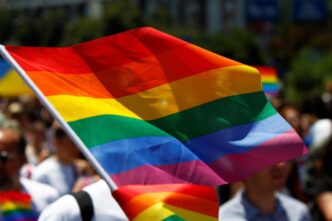
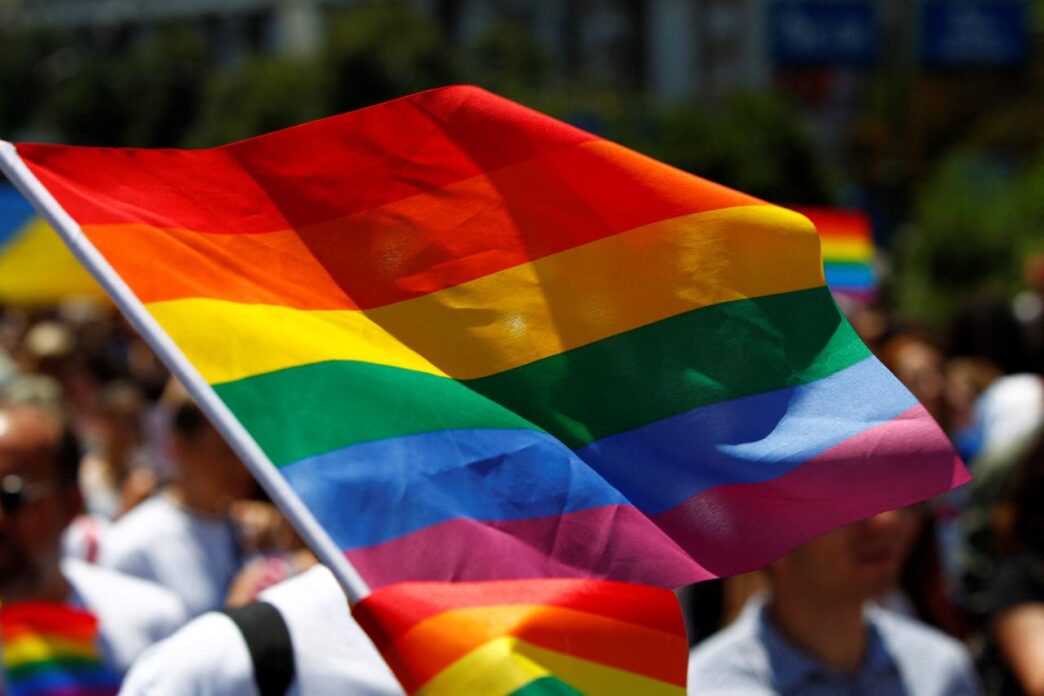
Senegalese Prime Minister Ousmane Sonko has introduced a bill to the National Assembly that would double the maximum prison sentence for same-sex relations to 10 years.
The legislation follows a wave of high-profile arrests, including local celebrities and a prominent journalist, as the government intensifies its crackdown on “acts against nature.”
Under the new proposal, the current penalty of one to five years would be increased to a range of five to 10 years, with the maximum sentence becoming mandatory if the act involves a minor.
The bill also seeks to criminalise pro-LGBTQ activism, proposing three to seven years in prison for anyone found engaging in “advocacy” for same-sex relations.
Additionally, in an effort to regulate the recent surge of “outings” on social media, the legislation includes provisions to penalise individuals who make public accusations of same-sex activity without providing proof.

Sonko, who campaigned on a promise to toughen these laws, presented the bill as a measure to protect national values against what many local religious and political groups view as the imposition of foreign ideologies.
Human rights organisations have voiced sharp criticism, with groups like Human Rights Watch warning that the crackdown endangers vulnerable populations and violates international human rights obligations.
Activists argue that the move further marginalises the community and could hinder public health efforts, particularly for those living with HIV/AIDS.
There are also concerns regarding the conflation of consensual same-sex relations with child abuse in recent local media coverage, which advocacy groups say fuels public hostility and misinformation.
Read More : Senegal Ruling Party Rejects Revised Budget
The legislative push comes amid a tense social climate in Senegal, where religious associations have staged large demonstrations demanding stricter penalties for LGBTQ individuals.
While the National Assembly has yet to set a date for the final vote, the bill’s passage appears likely given its prior approval by the cabinet and the strong populist support for the measure.
As the international community watches closely, the outcome of this vote will signal a significant shift in Senegal’s legal and human rights landscape.