Trending
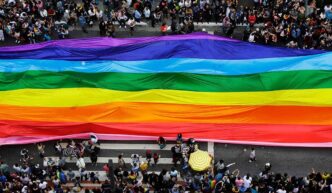
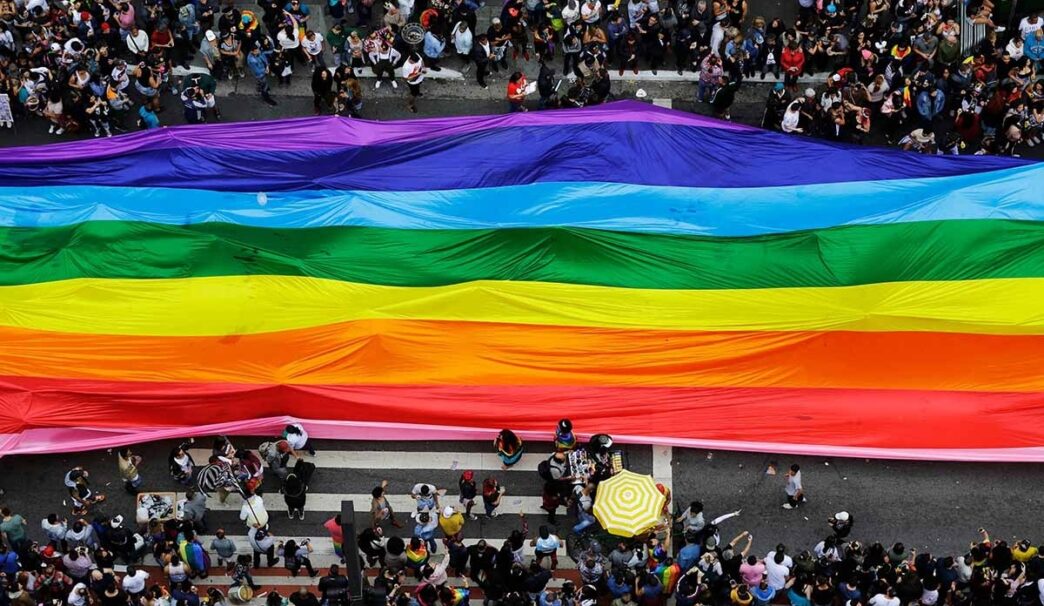
Authorities in Senegal have escalated actions against same-sex relations in recent weeks, with a surge in arrests, heightened online hostility, and growing concern among rights groups as some members of the LGBTQ+ community consider fleeing the country.
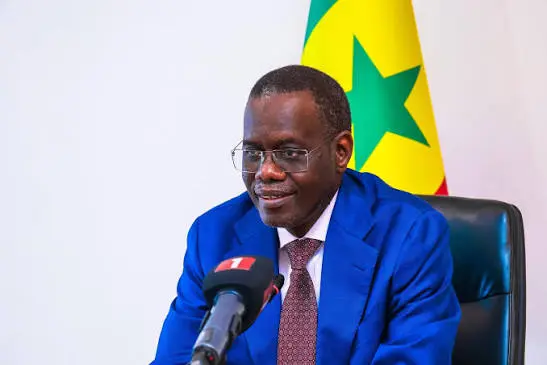
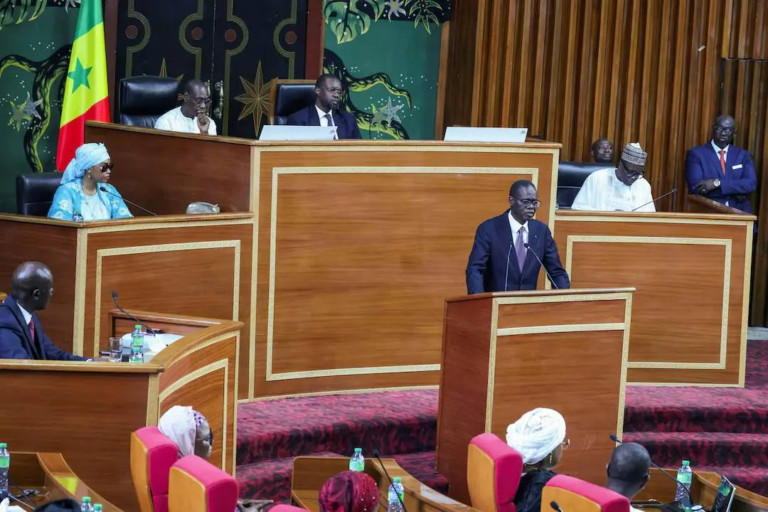
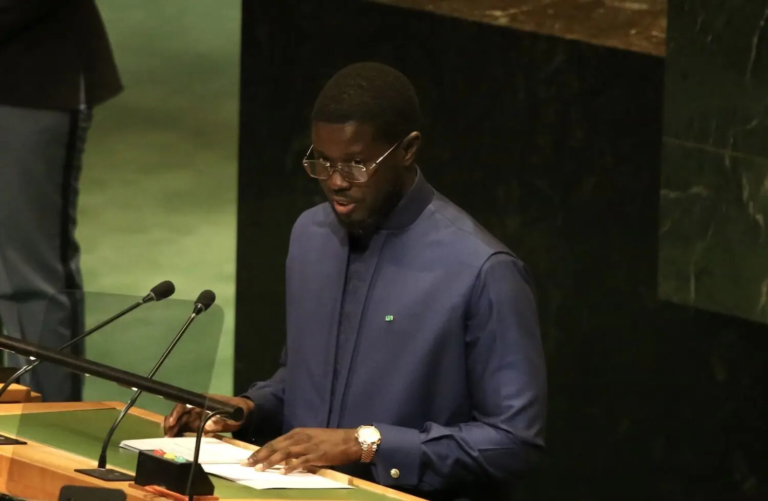
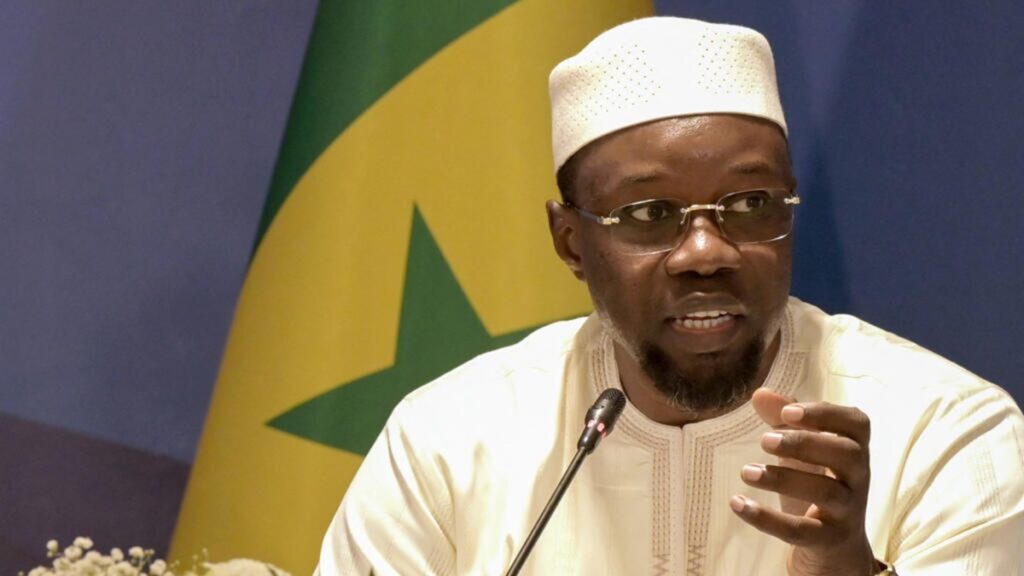
Prime Minister Ousmane Sonko on Tuesday revealed a draft law seeking to increase penalties for same-sex relations, proposing prison terms of up to 10 years, double the current maximum.
The bill also introduces sanctions for individuals who advocate for LGBTQ+ rights, with proposed jail terms ranging from three to seven years.
The development follows a series of arrests that began in early February, when about a dozen individuals, including two public figures, were detained over alleged same-sex conduct.
Local reports indicate that at least 30 people have since been arrested, with authorities reportedly relying on accusations and phone searches.
In several cases, the identities of those detained have been made public.
Rights advocates say the scale and visibility of the arrests mark a significant escalation.
One activist, speaking anonymously, described the situation as unprecedented, warning that it resembles a form of public targeting rather than routine law enforcement.
“Even in Senegal, this is unprecedented. What they are doing is public lynching.
The arrests have also triggered wider public reactions, including sensational media coverage and increased hostility on social media.
Senegal’s media ethics regulator, CORED, has called for respect for privacy and human dignity in reporting.
Activists report that many within the LGBTQ+ community are now living in fear, with some going into hiding or seeking to leave the country.
“People are hiding, they are going into seclusion much more than before.”
Informal networks have reportedly assisted individuals in relocating to neighbouring countries such as Gambia, although the scale of such movements remains unclear.
The Paris-based group STOP Homophobia said it has received a growing number of requests for assistance from Senegalese nationals, many citing threats, violence, family rejection, and fear of arrest.
The organisation also warned that the use of sensitive health information, including HIV status, in legal cases could discourage testing and access to care.
The proposed measures reflect longstanding political and social attitudes in Senegal, where same-sex relations are widely opposed on religious and cultural grounds.
Some local figures, including Denis Ndour of the country’s human rights league, have publicly supported stricter penalties, arguing that such practices conflict with societal norms.
Read More : Senegal Ruling Party Rejects Revised Budget
However, advocacy experts such as Marame Kane have stressed that, regardless of cultural context, individuals must be protected from violence and humiliation.
Internationally, concerns over safety have persisted. Since 2021, Senegal has not been classified as a safe country by French Office for the Protection of Refugees and Stateless Persons in cases involving risks linked to sexual orientation.
For many affected individuals, options remain limited. Some who have managed to leave describe being forced out by family rejection, while others without the means to relocate say they remain in hiding, facing uncertainty and fear.