Trending


South Africa has flagged more than 4,000 suspected “ghost workers” on government payrolls as part of a nationwide audit aimed at fighting fraud and easing pressure on public finances.
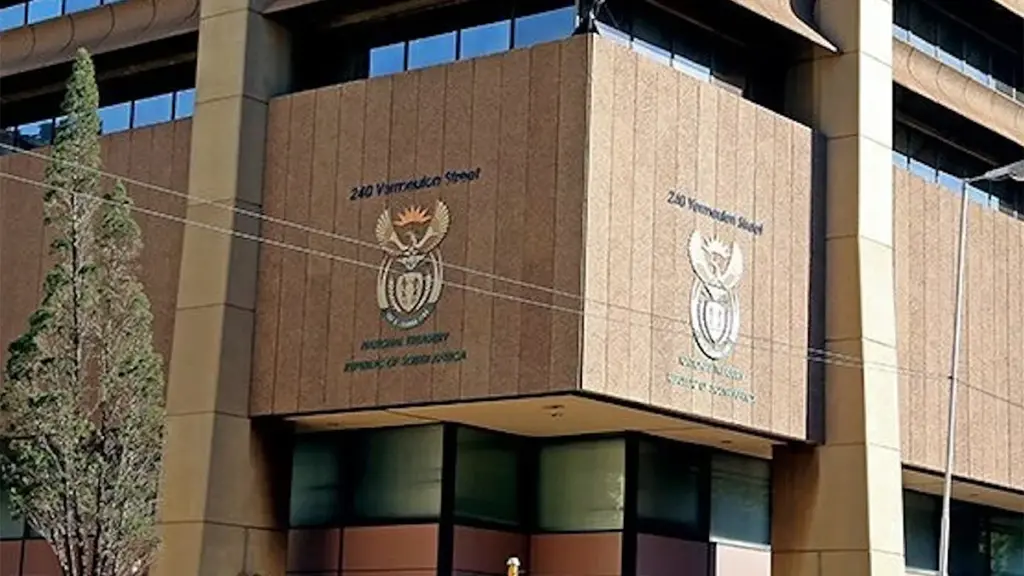
The National Treasury reports that a review of the Personnel and Salary System (PERSAL) identified 4,323 suspicious cases, leading to a verification process to confirm employees’ identities.
Those who cannot be physically verified risk having their salaries withheld and employment temporarily suspended.
Read More : 43 Dead in South Africa Political Hits: Report
Authorities warn that fraudulent payments, ranging from duplicate ID numbers and salaries paid to deceased individuals to irregular bank account details, are costing the state billions of rand each year.
The audit is part of a broader effort to rein in government wage spending, which currently accounts for nearly one-third of consolidated government expenditure.
In parallel, an Early Retirement Programme is being rolled out to reduce staff numbers and generate savings.
Treasury says the first phase approved 7,687 applications, projecting R2.6 billion in savings this year.
For the program’s departmental baselines, an additional R3.7 billion has been set aside for the 2025–2026 and 2026–2027 fiscal years.
The new audit employs a data-driven methodology, in contrast to earlier checks, cross-referencing payroll records with tax data, biometric IDs, and banking information in order to identify irregularities.
Read More : UK Fugitive Tshuma Case Adjourned
Ghost workers have been a problem in South Africa for many years; parliamentary committees have described it as a national issue that drives up wages, depletes resources, and erodes public confidence.
The most recent actions indicate a more methodical attempt to safeguard public funds and clean up government payrolls.