Trending
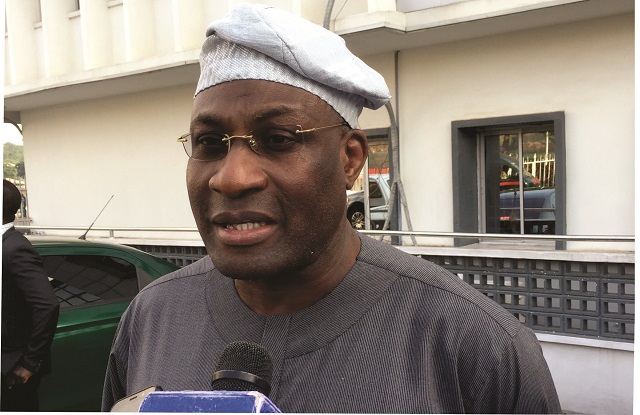
Retired Commissioner of Police, Fatai Owoseni, has said that officers of the Nigeria Police Force are themselves victims of systemic failures, calling for greater public understanding of their challenges.
Speaking during a roundtable programme on News Central TV, Owoseni stated, “What I should let Nigerians know is that the police itself is a victim. The police deserve sympathy.”
He explained that structural gaps in the criminal justice system often place officers in difficult situations, particularly when moving suspects to correctional facilities.
“When the magistrate says this case is adjourned and this guy is going to be remanded to prison, the correctional facilities don’t have a vehicle,” he said.
According to him, the burden then shifts unfairly to the police. “The victim is the police because the correctional facility guy and the court will tell the prosecutor, how do we get this person to the prison… and that is where you put the poor policeman in trouble.”
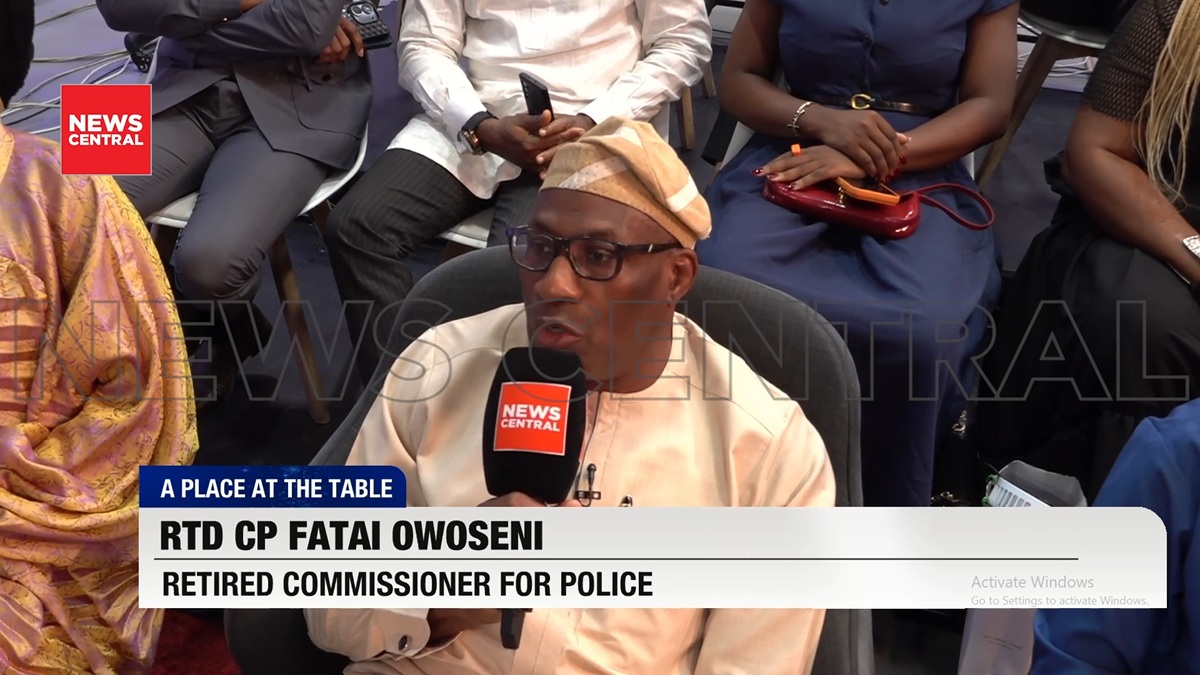
Owoseni added that officers are often forced to relay requests for money due to these gaps.
“He has no choice other than to tell the complainant, that the correctional facility officer says there is no vehicle. That is why I say it’s a victim. It is not about him. If the state does not provide.”
He also linked policing standards to broader societal conditions, noting that Policing is a reflection of the culture and the society.
Recounting his time in service, he revealed the financial and ethical dilemmas officers face.
“I had to use two million naira to treat a suspect before we can take him to court. Because in the court, they will not take the suspect from you,” he said, adding that “the poor policeman is put on the spot.”
Owoseni further stated the lack of basic infrastructure, stating, “The police don’t have the hospital. Even if the police take that suspect to the hospital, they will not treat that suspect unless someone brings money.”
He questioned how poorly paid officers are expected to cope: “Is this someone that is paid a pittance that we use his salary to buy the drugs?… to provide a vehicle to take a criminal?”
On funding constraints, he cited operational realities, saying, “Ikeja Police Division, has jurisdiction over more than 1 million people, and you are funding that police division with 30,000 naira in three months. What do you expect the police to do?”
Reflecting on past conditions, he noted a decline in logistics support.
“As of 1984 that I joined the police, my first posting was in Shagamu in 1985. We had lorries. We had Land Rovers.
“We deploy a policeman to beat. We go and drop them at their beat. But you have a situation now where a poor policeman is posted to the house of a judge. He has to find his way to the place by riding Okada. So we must be ready to have a police.”
While acknowledging some improvements, Owoseni maintained that deeper reforms are needed.
Read More : Zamfara Police Arrest Youth Over Video Threat
“The government is trying… but what makes the police here to be different is what you give them,” he said.
His remarks add to ongoing debates about police reform, funding, and accountability in Nigeria’s security sector.