Trending
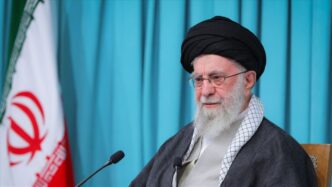
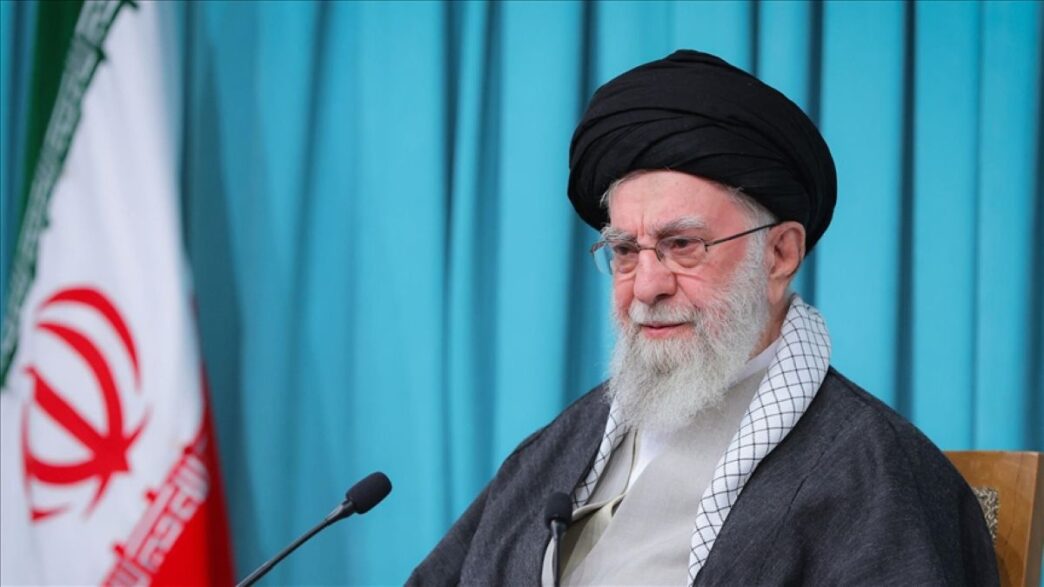
The death of Iran’s Supreme Leader Ali Khamenei has generated a sense of hope for the future of the country, according to his nephew, Mahmoud Moradkhani.
Speaking from his home in northern France, the 62-year-old doctor and long-time regime opponent told AFP that he, like many Iranians, felt a sense of relief and optimism following the news.
Moradkhani described his uncle’s passing as a significant “step forward” that could finally pave the way for political transformation within the nation.
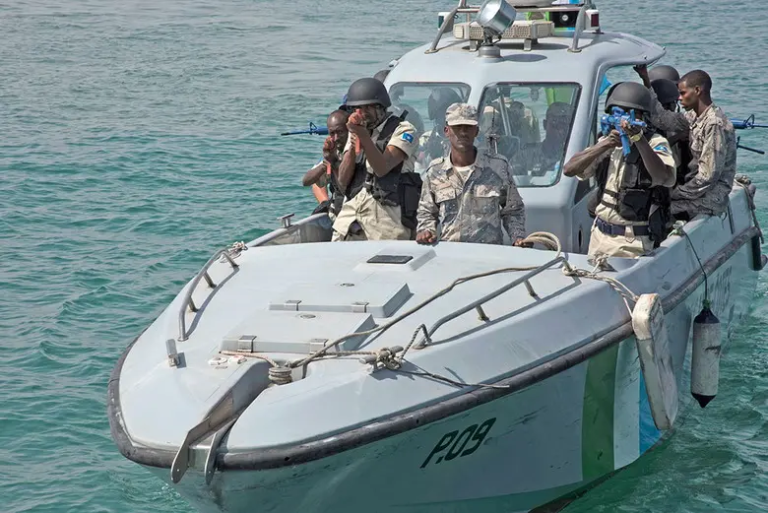
Read More : Somalia Rescues Oil Tanker From Pirates
While Moradkhani expressed regret that the change came through the lens of war and military intervention, he suggested that such a violent turning point might have been an unavoidable stage in the country’s history.
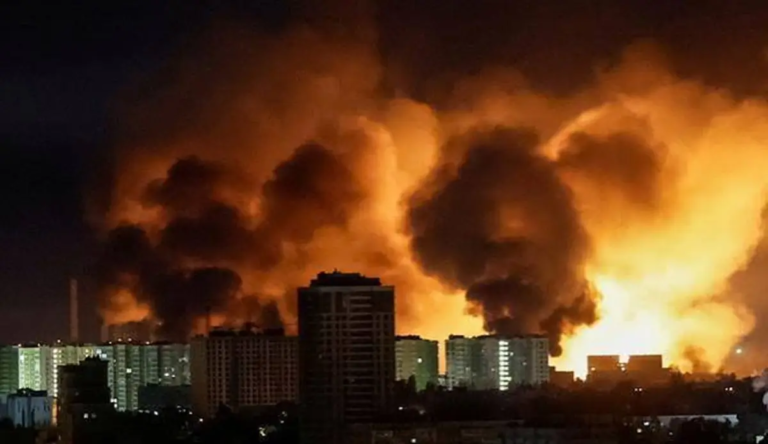
The United States and Israel launched a massive bombardment campaign on Saturday that claimed the leader’s life, an operation that has since triggered a wave of retaliatory strikes across the Middle East.
Moradkhani noted that while active conflict can slow down internal political processes, the removal of the Supreme Leader fundamentally shifts the landscape.
Looking ahead, Moradkhani predicted that the clerical regime is unlikely to survive the loss of its central figure.
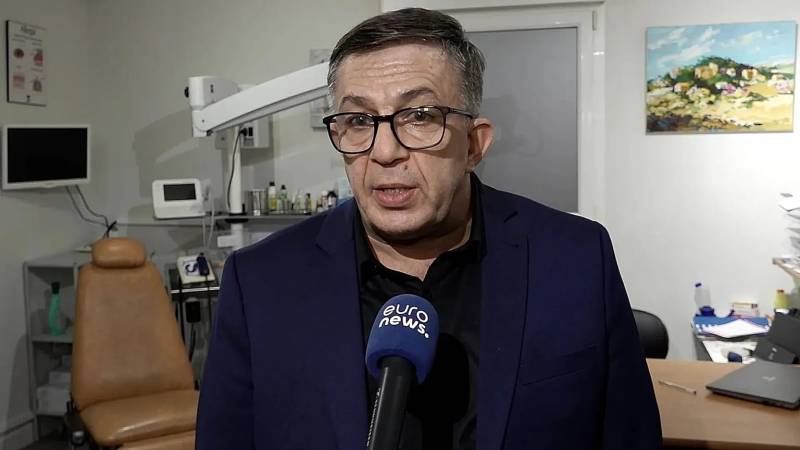
He pointed to deep-seated internal rivalries within the government, arguing that the establishment will be unable to resist these fractures without Khamenei’s authority.
He believes the regime will eventually be forced to “disappear” and cede power to the Iranian people, though he acknowledged the immense difficulty of organising a popular uprising while the country remains under military fire.
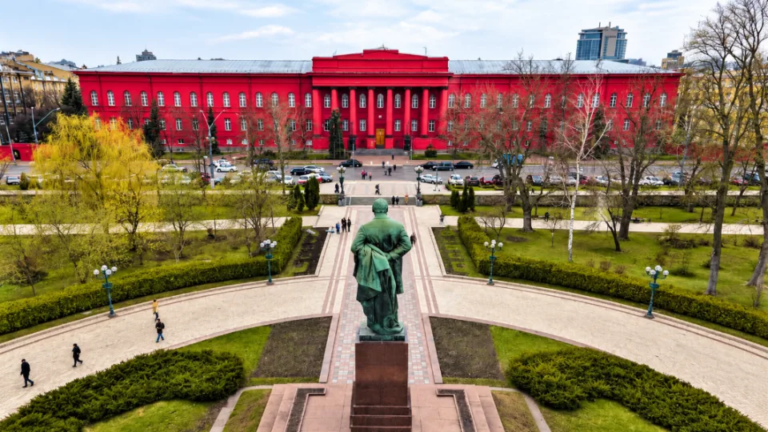
Read More : Ukraine University Switches To Remote Classes
Ultimately, the nephew of the late leader called for an end to military interventions to allow the Iranian public to find its own voice.
He expressed a desire to see the people take to the streets to express themselves freely and reclaim their government without the threat of foreign bombs or domestic repression.
As Iran enters this period of profound uncertainty, Moradkhani’s perspective offers a rare glimpse into the fractured dynamics of the Khamenei family and the hopes of the Iranian diaspora.