Trending

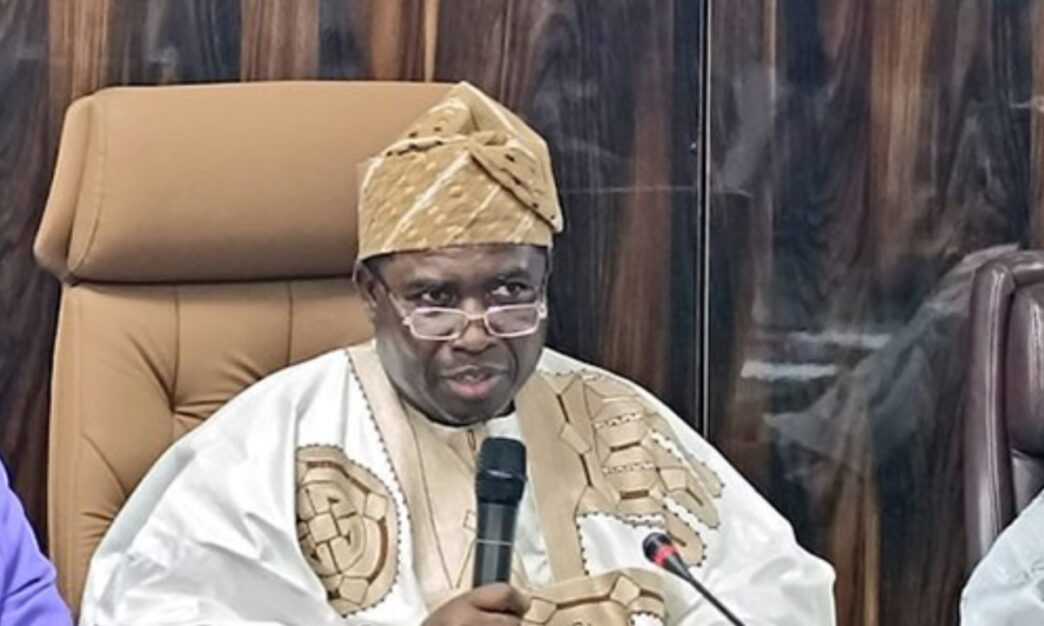
The Chairman of the Independent National Electoral Commission (INEC), Joash Amupitan, has identified logistical challenges, rather than network or transmission failures, as the primary issues affecting the conduct of elections in Nigeria.
Amupitan made the disclosure on Sunday during a citizen town hall in Abuja on the Electoral Act 2026.
He said that while network capacity has been a concern in some areas, the adequacy of logistical planning most affects election operations.
“I don’t see the issue of transmission as really a problem. I don’t see the issue because from my little experience over four months now in INEC, the problem is not even network. The problem I have seen is the adequacy of the network we have,” Amupitan said.
He explained that in areas such as the Federal Capital Territory (FCT) during the recent Abuja Municipal Area Council (AMAC) chairmanship election, real-time transmission of results was disrupted not because of network failure but due to logistical constraints.

“For instance, you expect that in a place like FCT, you should be able to transmit your results without any encumbrance. But we had a situation where it was impossible for us to have a real-time transmission of results, especially from Kambi Ward on the following day,” he said.
Read More : Suspect Reveals Trick Used to Steal ATM PINs
But the INEC chairman added that some wards successfully transmitted results.
Amupitan also stressed the central role of logistics in elections, noting, “So talking about logistics, I’ve said it often and often that logistics, your election can be as good as your logistics. So when there’s logistic failure, you know that you are beginning to fail.”
He also announced that the commission will conduct a mock presidential election ahead of the 2027 general elections to test the reliability of its result transmission system.