Trending
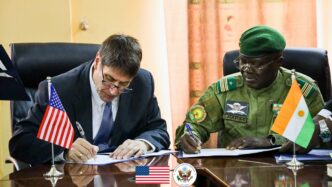
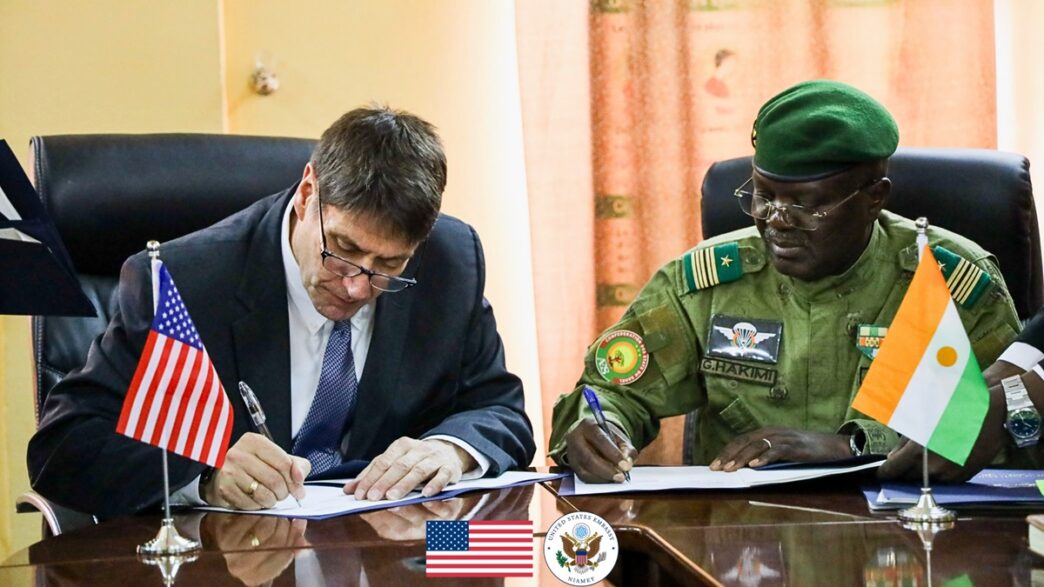
Niger has become the second country in the African Sahel Economic Strategy (AES) bloc to sign a multi-year health partnership with the United States under President Donald Trump, committing to a five-year agreement valued at $128 million.
The pact combines $107 million in U.S. assistance with $21 million from Niger’s own budget.
The agreement aims to strengthen local health systems, improve epidemic surveillance, support malaria prevention, and enhance maternal and child health services.
Read More : Iran Claims Capture of US Underwater Drone
US officials say the programme also seeks to prevent the spread of infectious diseases that could affect Americans.
“Through this MOU, the United States, working with Congress, intends to provide more than $106 million in health assistance over five years to support malaria prevention and treatment, infectious disease surveillance and response, polio prevention, and maternal and child health,” the US Embassy in Niger said in a statement.
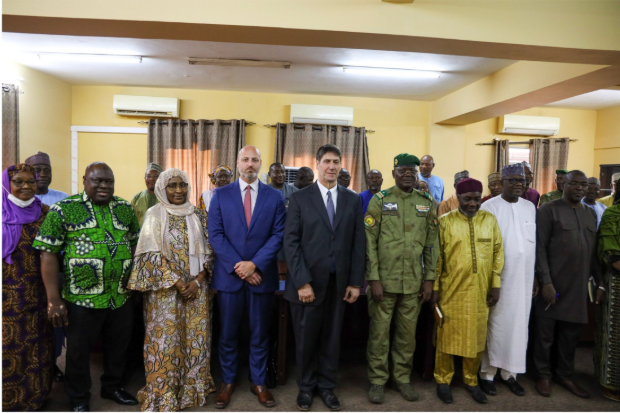
“This partnership will strengthen laboratory systems, frontline health workers, national data systems, and outbreak preparedness.”
On February 26, 2026, the United States and the Republic of Niger signed a five-year health cooperation Memorandum of Understanding (MOU), as a part of the #AmericaFirst Global Health Strategy.
Through this MOU, the United States, working with Congress, intends to provide more… pic.twitter.com/JUjTfqvqlw
— U.S. Embassy Niamey (@USEmbassyNiamey) March 2, 2026
Under the Trump administration, the agreement serves as a model for direct bilateral health cooperation.
Burkina Faso was the first AES country to sign a similar five-year agreement in February 2026, securing up to $147 million in U.S. support while committing roughly $107 million of its own resources.
Mali has yet to finalise a comparable deal but has lifted sanctions on key officials and resumed dialogue with Washington, suggesting the potential for future participation.