Trending
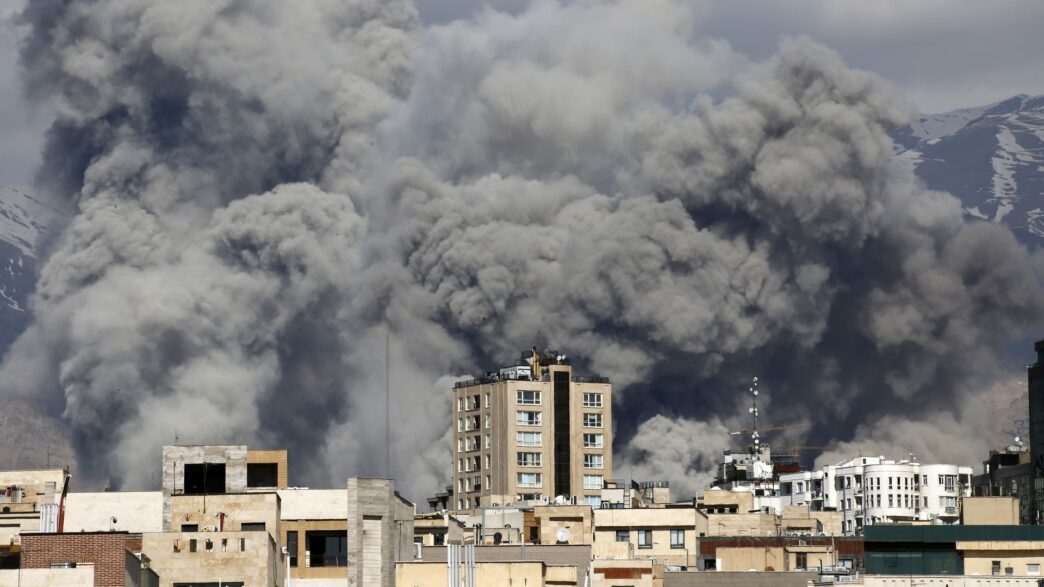
The conflict in the Middle East has reached a fever pitch as Israel and the United States escalate their military campaign against Iran.
Admiral Brad Cooper, overseeing U.S. forces in the region, announced that “nearly 2,000 targets” have been hit within Iran so far, successfully degrading their air defences and destroying hundreds of missiles and drones.
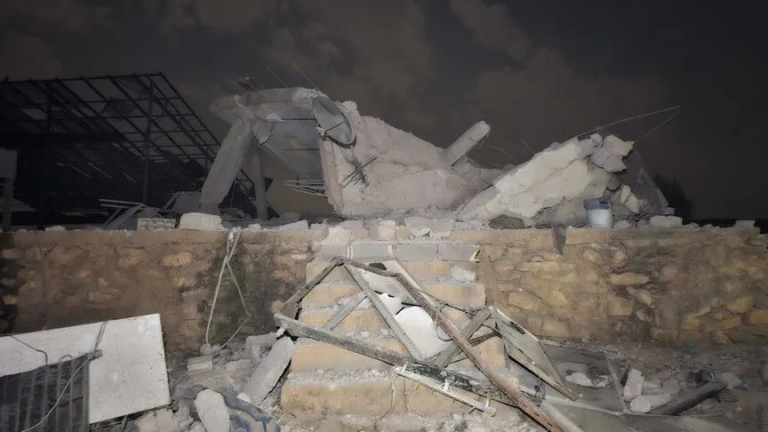
In response to recent Iranian missile barrages, Israel launched a fresh wave of strikes on Wednesday, including a raid on a covert underground nuclear site allegedly used for weapons development.
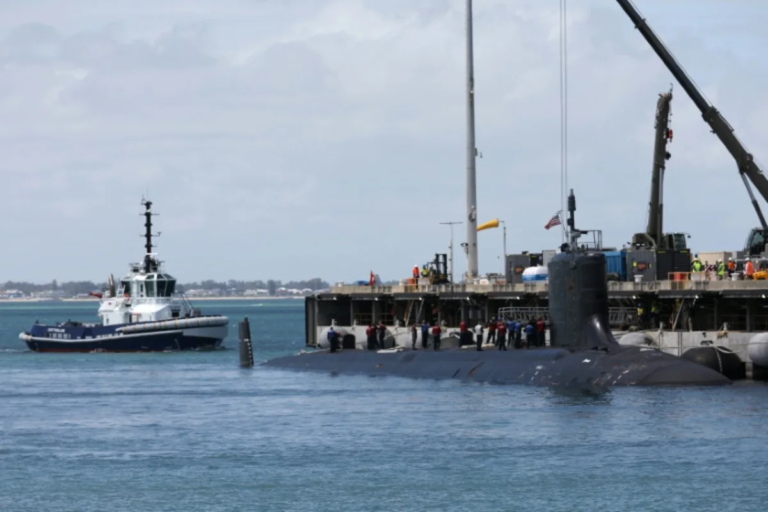
Read More : US Assigns First Nuclear Submarine
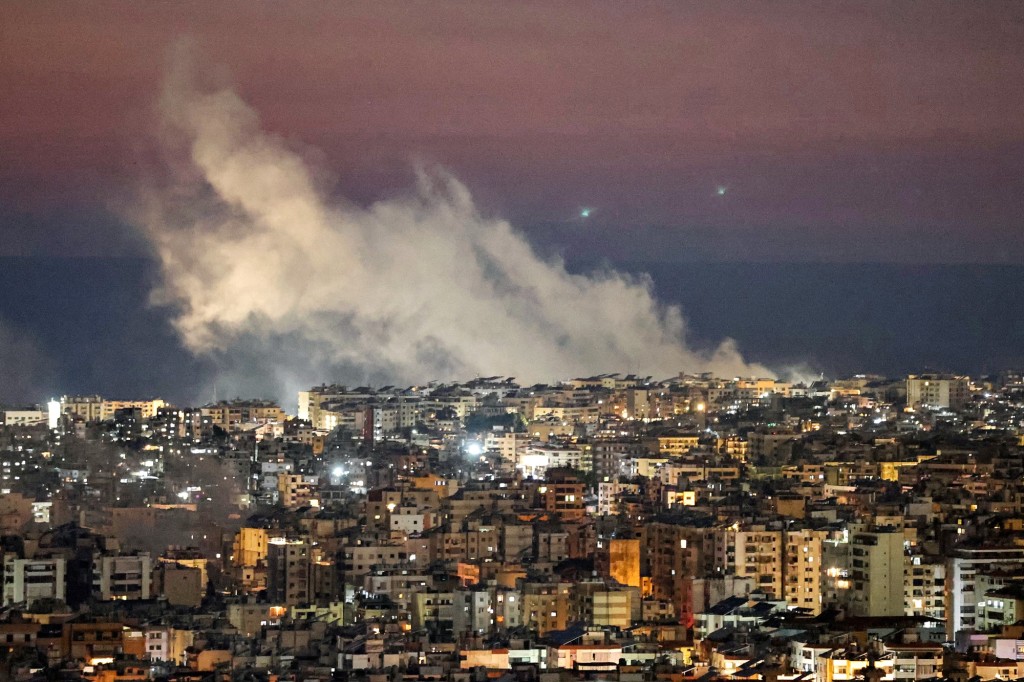
The violence has rapidly spread across borders, with explosions rocking the Lebanese capital, Beirut.
Israeli strikes targeting towns south of the capital and the eastern city of Baalbek resulted in at least six deaths.
Meanwhile, the war is increasingly impacting the Gulf; Qatar reported the dismantling of two Iranian spy cells linked to the Revolutionary Guards, and a drone attack caused a fire near the U.S. consulate in Dubai.
In response to the regional instability, France has diverted its flagship aircraft carrier, the Charles de Gaulle, to the eastern Mediterranean.
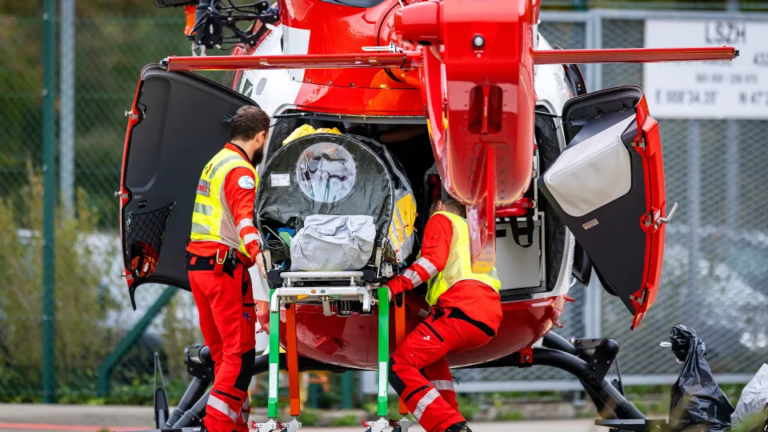
At the same time, the U.S. has begun organising charter flights to evacuate its citizens from Jordan, Saudi Arabia, and the UAE.
Read More : Syria Shuts Jordan Border Crossing
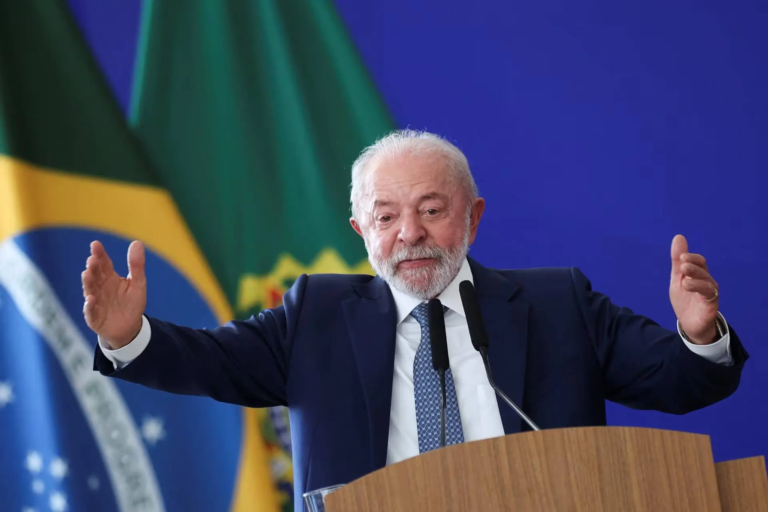
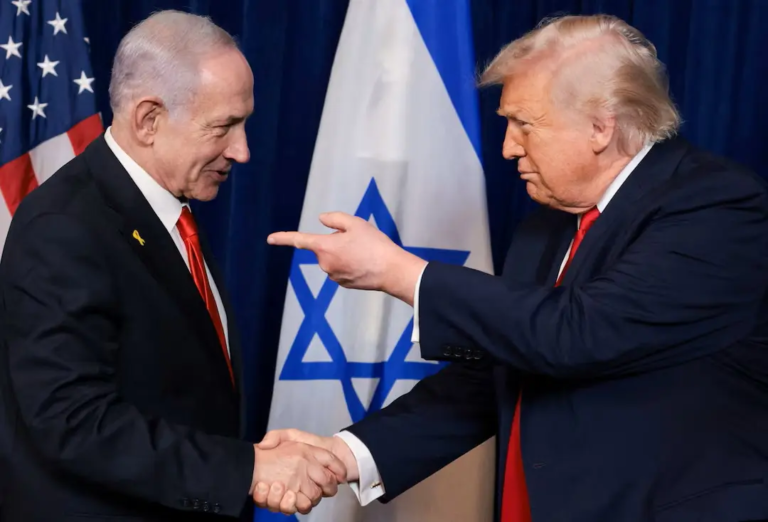
Diplomatic tensions are also flaring as President Donald Trump threatened to sever all trade with Spain after Madrid refused to allow U.S. military bases on its soil for strikes against Iran.
Despite these fractures in international cooperation, Trump has vowed that the U.S. Navy will escort oil tankers through the Strait of Hormuz if necessary to protect global energy supplies.
The regional chaos continues to affect Iraq as well, where air strikes have targeted bases housing pro-Iranian groups, and explosions were reported in the Kurdish city of Sulaimaniyah.