Trending
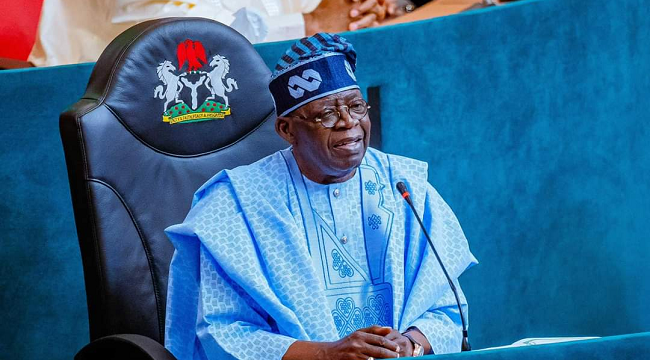
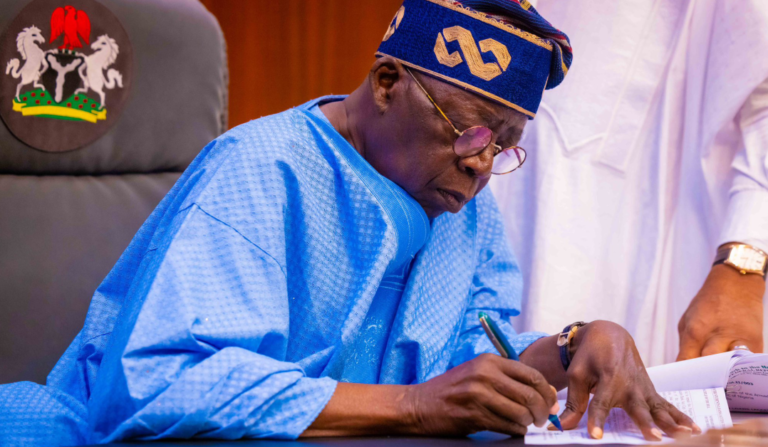
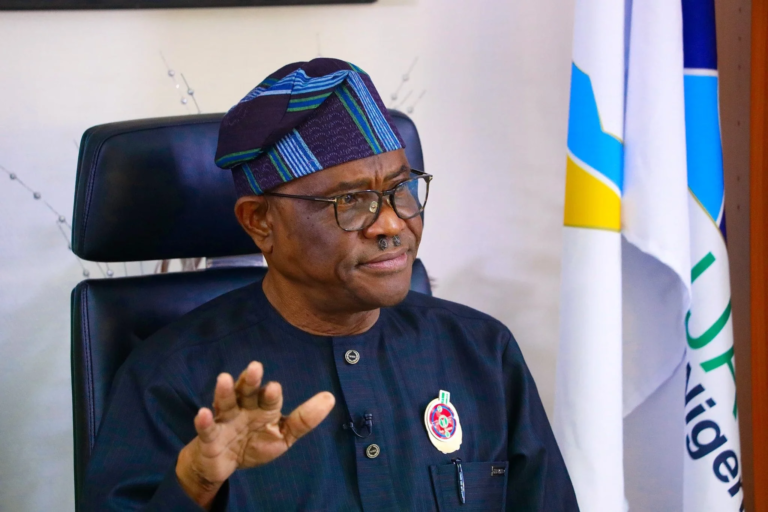
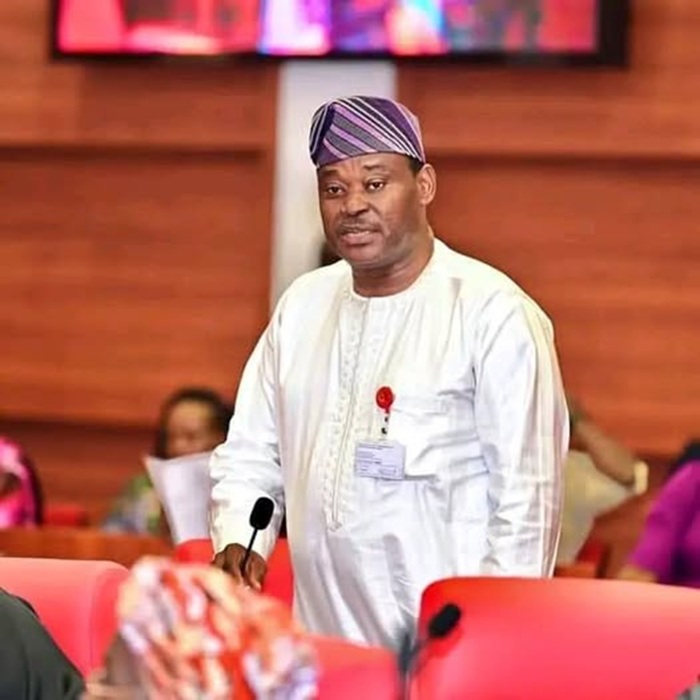
The Senator representing Ondo South, Jimoh Ibrahim, has said Nigeria’s exclusion from the world’s most indebted countries reflects disciplined fiscal management under President Bola Tinubu.
Ibrahim, who is also an ambassador-designate, made this known in a statement on Wednesday while reacting to ongoing debates about Nigeria’s debt profile and borrowing trends.
His comments follow newly released Q4 2025 global debt data from the Institute of International Finance’s Global Debt Monitor, analysed by Visual Capitalist. The data shows that several advanced economies now carry debt levels exceeding 300 per cent of their gross domestic product (GDP).
Hong Kong leads the global rankings with debt at 380 per cent of GDP, followed by Japan (372 per cent), Singapore (347 per cent), France (326 per cent), and Canada (315 per cent). These figures account for combined government, corporate, and household debt.
In Africa, countries such as Senegal (156 per cent), South Africa (149 per cent), and Tunisia (143 per cent) are experiencing rising debt levels, largely driven by sovereign borrowing.
Nigeria, however, does not appear among the most indebted countries globally or within Africa’s top 10.
Reacting to the figures, Ibrahim said earlier concerns about excessive borrowing under the Tinubu administration had not materialised.
He stated that projections of reckless debt accumulation had proven inaccurate, noting that Nigeria’s absence from the high-debt rankings points to deliberate fiscal coordination and structured reforms.
“Those who expected reckless borrowing have been proven wrong.
“Nigeria is not on the list of the world’s most indebted countries.
“This reflects deliberate fiscal coordination and structured economic reforms.”
According to him, recent policy measures, including the removal of fuel subsidies and the unification of exchange rates, were designed to stabilise public finances and address long-term fiscal risks.
He added that while Nigeria continues to access loans for infrastructure and development, such borrowings are being managed within sustainable limits and tied to revenue reforms.
Ibrahim described the current trajectory as evidence that the administration’s economic recalibration, referred to by some supporters as “Bolaeconometrics”, is beginning to produce measurable outcomes.
Despite this, he cautioned that Nigeria’s position outside the high-debt category does not eliminate fiscal concerns.
Read More : Lagos Sets December 31 Health Insurance Deadline
He stressed that the country’s debt sustainability remains closely linked to its ability to generate revenue and meet repayment obligations.
He further noted that strengthening non-oil revenues, expanding exports, and improving public sector efficiency would be critical to maintaining fiscal stability.
Nigeria’s debt profile continues to attract scrutiny as global economic pressures increase, including tighter monetary conditions and exchange rate volatility affecting emerging markets.