Trending

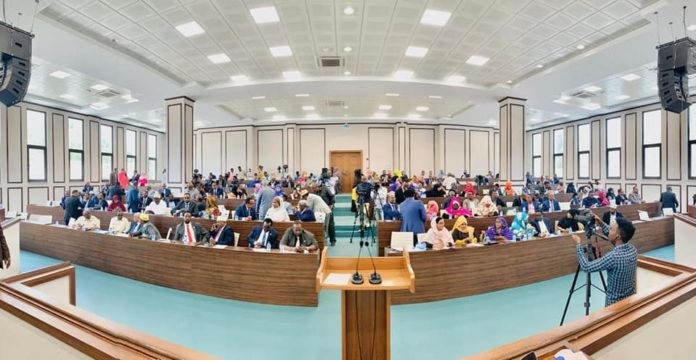
Somalia has passed a new constitution that enables the direct election of lawmakers, in contrast to its previous indirect, clan-based system.
The new constitution, passed on Wednesday, was described as a “a historic victory” by the country’s Prime Minister Hamza Abdi Barre. Prior to this, members of the parliament were chosen by delegates who were nominated by elders.
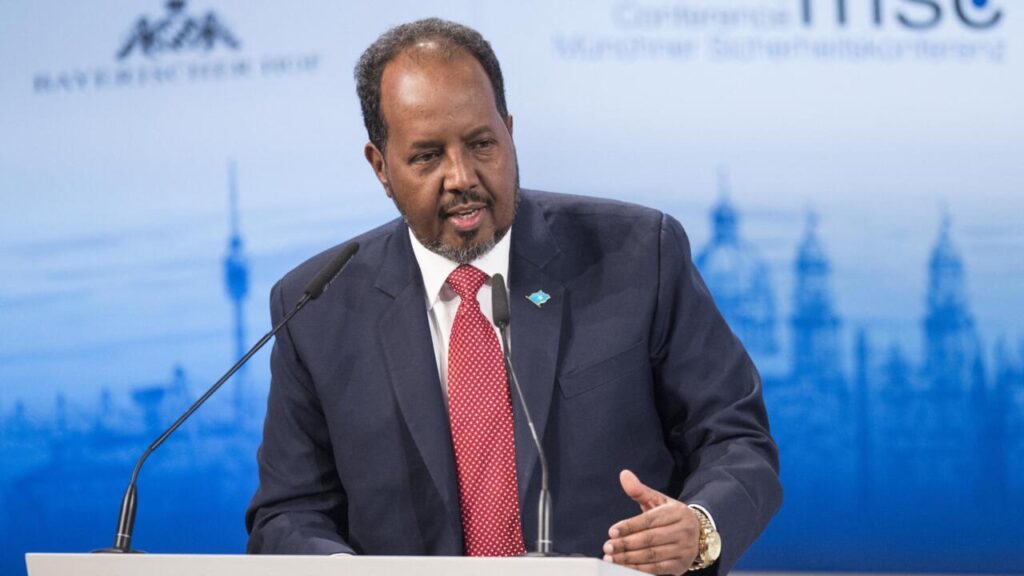
Somalian President Hassan Sheikh Mohamud has been advocating for the new constitution. He had said elections would be held in June, but the elections may not take place for another year, as the recent amendments extend his mandate by one year.
Read More : Somali Pirates Briefly Seize Ship off Yemen
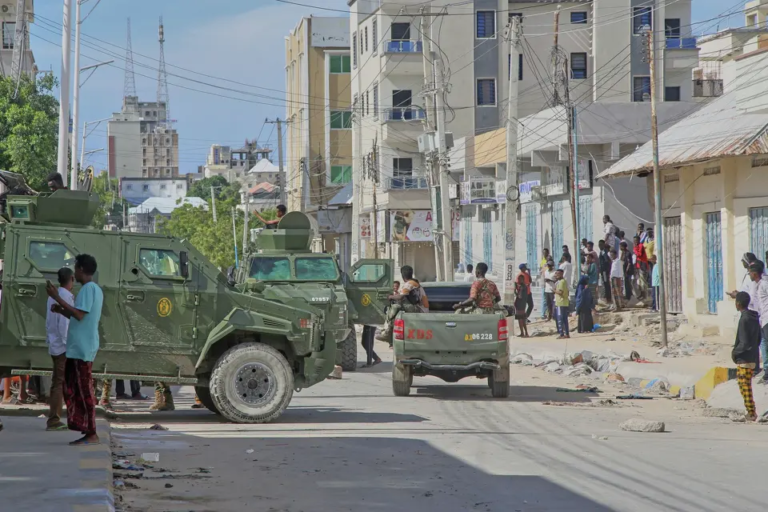
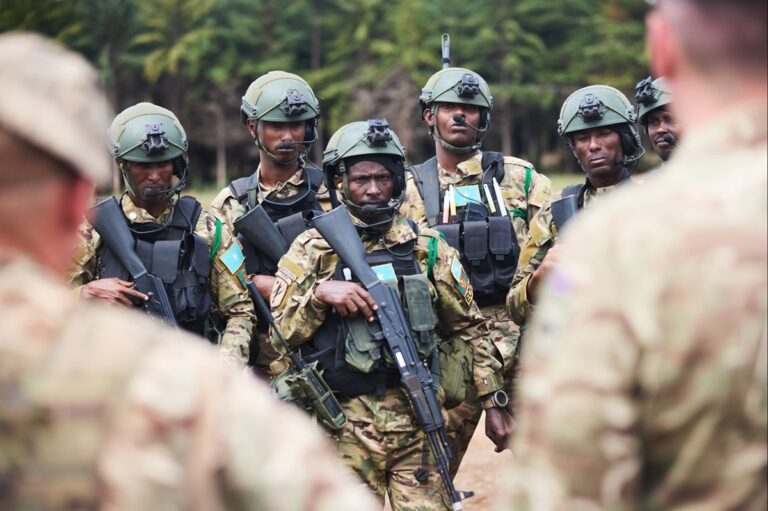
Analysts have questioned the country’s ability to conduct elections, citing insurgent threats from the Al-Qaeda-affiliated group, Al-Shabaab, which has been fighting the Somali Government for two decades. The terrorist group controls vast swathes of the states around the country’s capital, Mogadishu.
Leaders of Puntland and Jubaland have failed to agree on the proposed constitution and election timeline during a meeting in February. AFP reported that representatives of both regions boycotted Wednesday’s vote.
Puntland and Jubaland are semi-autonomous states in Somalia. Both regions often oppose constitutional amendments and electoral changes pursued by the Somali Government without a broad consensus, arguing that they centralise power in Mogadishu.
The two states prefer the previous indirect clan-based system of electing lawmakers.