Trending


A senior robotics executive at OpenAI has stepped down, citing ethical concerns over the company’s recent agreement with the United States government that could allow its artificial intelligence technology to be deployed for warfare and domestic surveillance.
Caitlin Kalinowski, who led OpenAI’s robotics division, announced her resignation on Saturday, saying that the company’s decision to move forward with a defence contract raised governance and ethical questions that required deeper deliberation. Her departure comes weeks after OpenAI secured a Pentagon contract to supply AI capabilities for defence applications, a development that drew scrutiny from industry observers and policymakers.
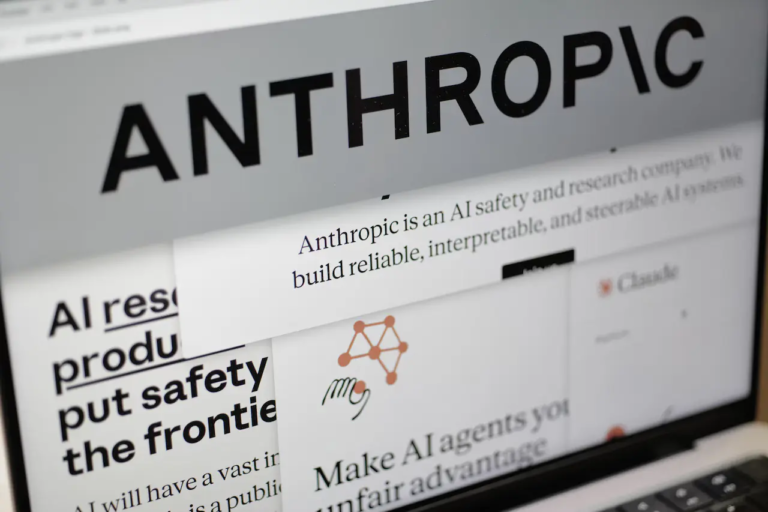
The deal emerged shortly after rival AI firm Anthropic declined to permit unconditional military use of its Claude models, a stance that reportedly drew criticism from some US officials. OpenAI’s agreement with the Department of Defence was finalised last month.
Read More : Anthropic AI Files False Murder Tip
Following public criticism, OpenAI chief executive Sam Altman posted on X that the company would revise the contract to ensure its AI systems would not be used for “domestic surveillance of US persons and nationals.” The clarification was intended to reassure critics who argued that the initial announcement suggested broad authority for military officials to deploy advanced AI tools without sufficient oversight.

Kalinowski, however, indicated that the issue went beyond the contract’s wording. She emphasised concerns about how quickly the agreement had been announced and the absence of clearly defined safeguards.
“I care deeply about the Robotics team and the work we built together,” she wrote on X, adding that “surveillance of Americans without judicial oversight and lethal autonomy without human authorisation are lines that deserved more deliberation than they got.”
Read More : Africa Tests New Funding Models for 5G
In a follow-up post, she stressed that her resignation was not directed at colleagues but at the decision-making process itself.
“This was about principle, not people,” Kalinowski wrote, noting that governance surrounding such powerful technologies should never be rushed.
Before joining OpenAI, Kalinowski worked at Meta, where she helped develop augmented reality glasses as part of the company’s hardware innovation programme.