Trending
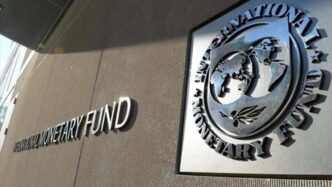
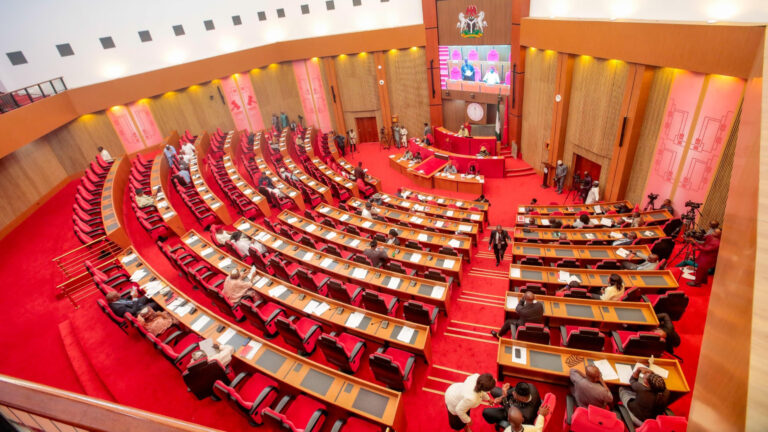
The Nigerian Senate will hold a high-level meeting with officials from the International Monetary Fund (IMF) to review the country’s economic outlook and ongoing reforms under President Bola Tinubu’s administration.
Deputy Senate President Barau Jibrin said the engagement is part of the IMF’s Article IV Consultation, a routine assessment of Nigeria’s economic policies and financial stability, scheduled for March 4 to March 17, 2026. During this period, the IMF team will also hold discussions with key government institutions.
According to Jibrin, the IMF specifically requested a meeting with the Senate leadership to better understand the government’s economic management framework and explore potential support for its reform agenda.
“The Federal Office of Finance wishes to inform the leadership of the Senate and distinguished senators that, at the instance of the Federal Government of Nigeria, the International Monetary Fund Article IV Consultation in Nigeria has been scheduled to hold from March 4 to March 17, 2026,” part of the notice read.
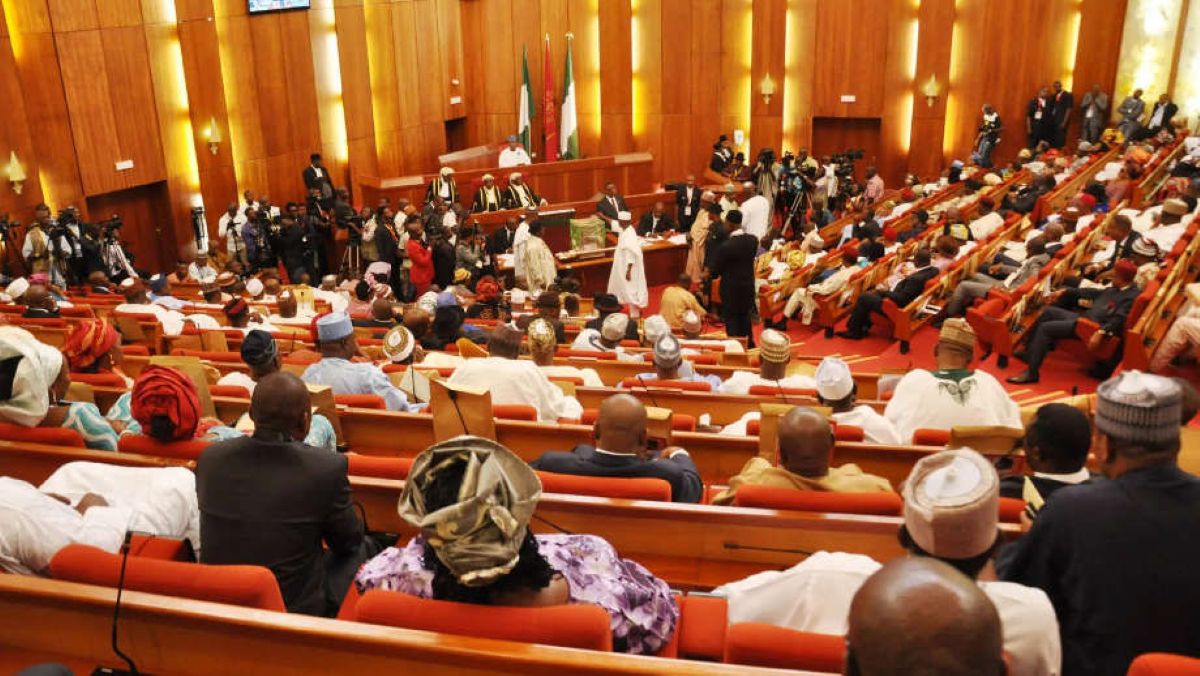
The session is expected to provide a platform for lawmakers to engage directly with IMF officials on the country’s economic direction and reform priorities.
Global financial institutions have described Nigeria’s 2025 economic outlook as cautiously improving but still fragile.
The IMF projected 3.4 per cent growth for 2025, noting that ongoing reforms and macroeconomic adjustments are beginning to stabilise the economy after a period of high inflation, exchange-rate volatility, and weak oil output.
However, analysts caution that inflation, fiscal pressures, and structural bottlenecks, especially in energy and infrastructure, remain constraints.
The World Bank projected similar growth of about 3.6 per cent between 2025 and 2026, stating reforms such as fuel subsidy removal, exchange-rate unification, and tighter monetary policy as positive steps toward stabilising government finances and boosting business confidence.
Services, particularly telecommunications and financial services, were key drivers of growth during this period.
Looking ahead to 2026, the IMF revised Nigeria’s growth forecast upward to 4.4 per cent, reflecting expectations that fiscal and monetary reforms would strengthen macroeconomic stability and productivity.
Read More : Zamfara Police Arrest Youth Over Video Threat
The World Bank offered a similar outlook, projecting growth of 4.4 per cent in 2026 and 2027, potentially marking the fastest expansion in over a decade, with services, agriculture, and non-oil sectors leading the recovery.
The upcoming Senate-IMF engagement aims to give lawmakers a deeper understanding of these forecasts and provide input on the implementation of reforms critical for sustained economic growth.