Trending

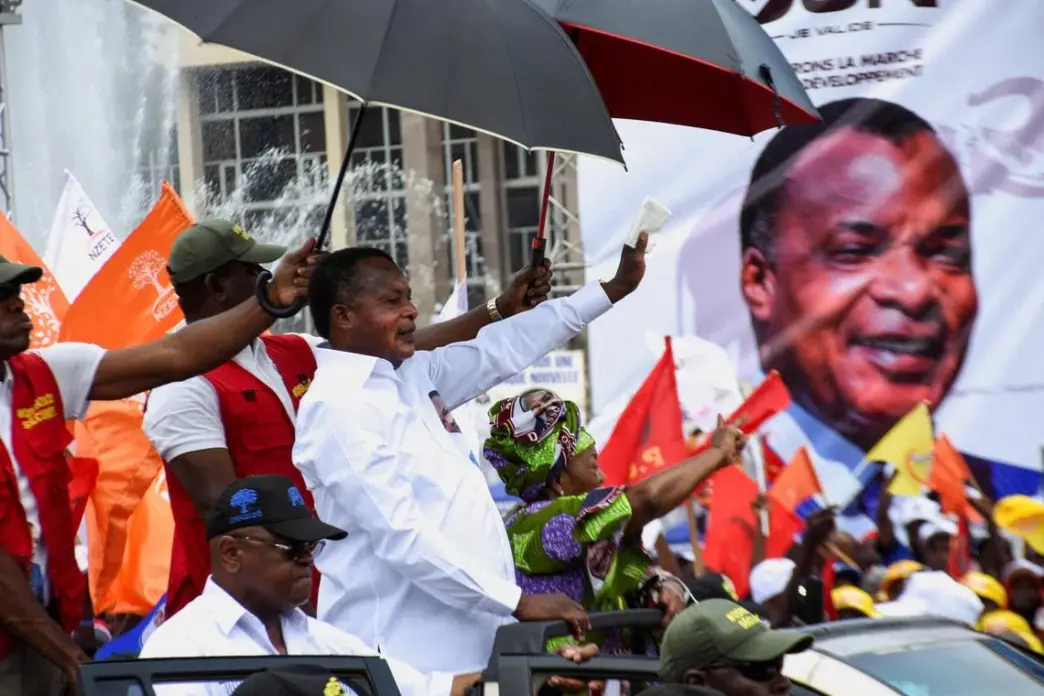
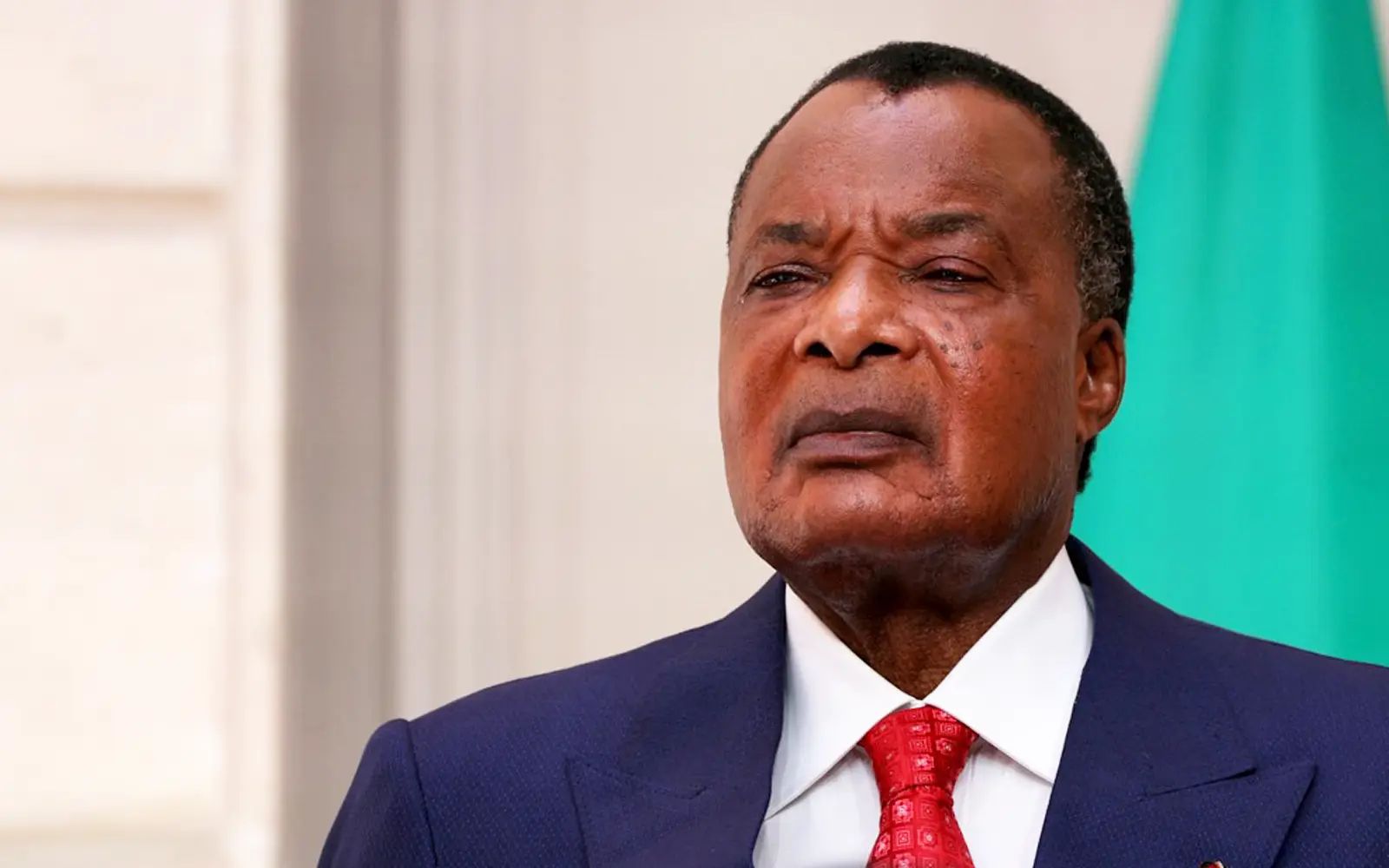
Voters in the Republic of the Congo are heading to the polls this Sunday for a presidential election that is widely anticipated to grant 82-year-old Denis Sassou Nguesso another five-year term.
Sassou Nguesso has held power almost continuously since 1979, and with major opposition figures either imprisoned or in exile, the outcome appears nearly certain.
While six other candidates are on the ballot, none are considered serious threats to the long-standing leader, especially as several opposition parties have chosen to boycott the vote, citing a lack of transparency.
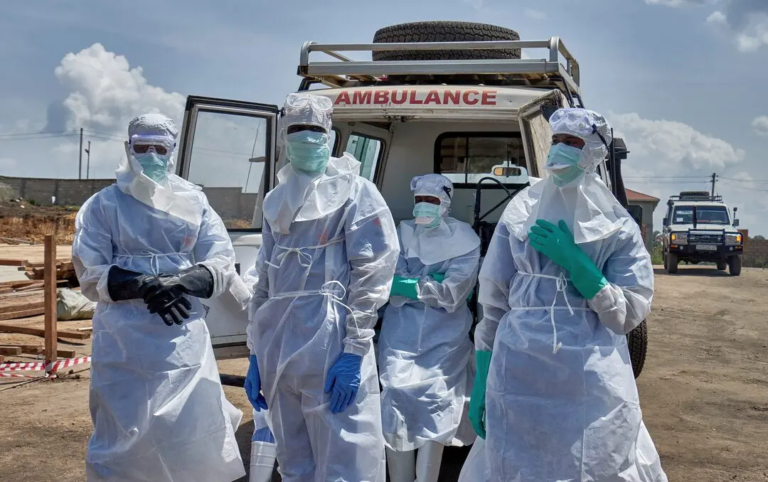
Read More : Surging Ebola Outbreak Overwhelms Congo
President Sassou Nguesso’s campaign has centred on the theme of “continuity,” with promises to boost economic development and improve national education and vocational training.
However, despite the country’s status as a significant oil producer, the World Bank reports that over half of the population still lives in poverty.
Analysts suggest that a fragmented opposition and a sense of voter fatigue may lead to a lower turnout than in previous years, though this is unlikely to disrupt the incumbent’s path to victory.
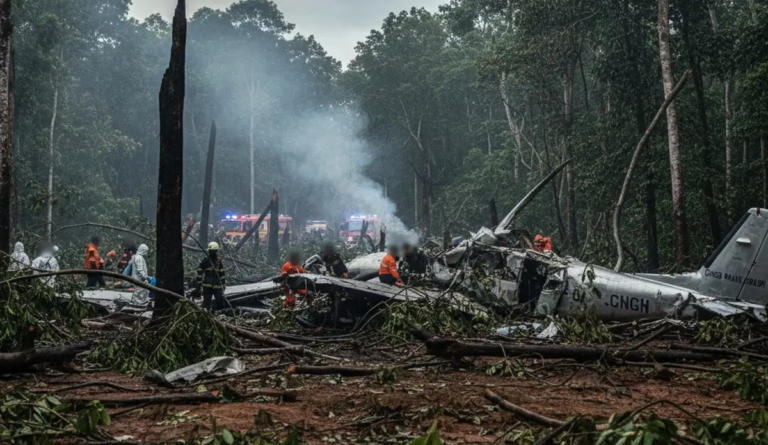
Read More : DR Congo Plane Crash Kills 17
International rights organisations have raised concerns about the narrowing of political freedom in the Central African nation, pointing to the suspension of various political groups and the arrest of activists.
While the government maintains that the electoral process will be fair and transparent, many citizens express a sense of disillusionment, viewing the election as a formality rather than a genuine opportunity for change.
Early results are expected to be announced within two to three days after the polls close.