Trending
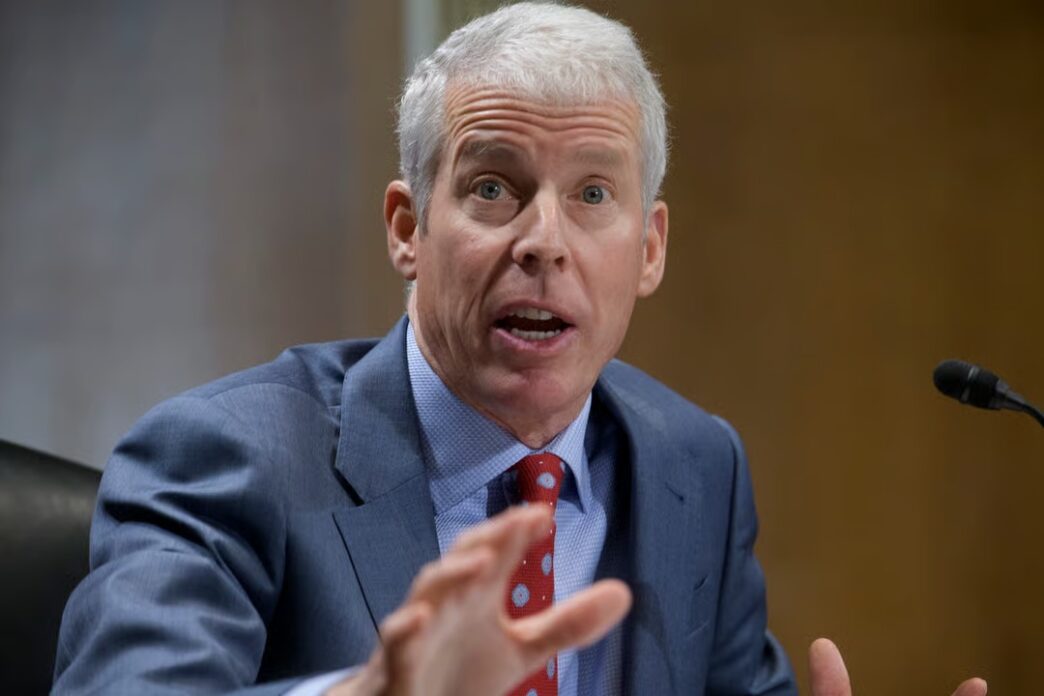
As the price of crude oil and refined petroleum products soars worldwide, the United States (U.S.) Energy Secretary Chris Wright has heaped the blame on Iran.
Wright, in an interview with NBC News, labelled Iran as the greatest threat to global energy supplies.
“The greatest driver of terrorism in the world, the greatest threat to global energy supplies will be defanged. Yes, we have disruption to get there. But we’re going to be in a much, much better place in the not-too-distant future,” said Wright.
.@SecretaryWright: “This mission was carefully planned out. It’s been superbly executed. On the other side, we’ll be in a much better place. The greatest driver of terrorism in the world, the greatest threat to global energy supplies will be defanged.” pic.twitter.com/lU5PO3jtwn
— U.S. Department of Energy (@ENERGY) March 15, 2026
Since the U.S and Israel launched coordinated airstrikes against Iran on February 28, the Middle East has been plunged into a crisis, which has impacted the rest of the world.
The conflict has made the Strait of Hormuz, through which 20% of global oil supplies pass, dangerous, triggering chaos in global markets and spiking oil prices. Some ships have been attacked or threatened.
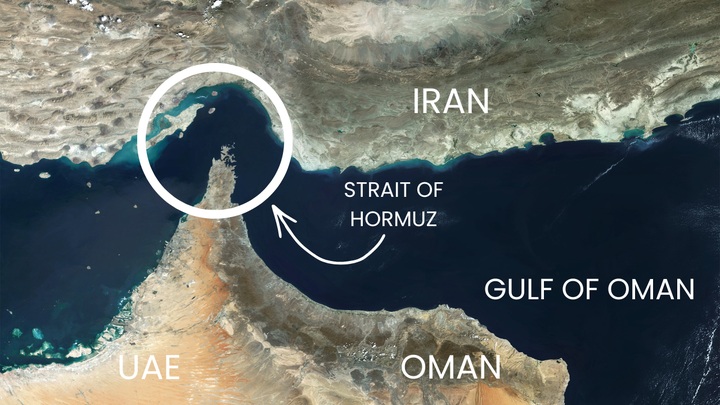
The International Maritime Organisation (IMO), the UN agency responsible for global shipping, said about 2,500 commercial ships and 20,000 seafarers were stranded around the Strait of Hormuz after the waterway became a war-risk zone during the ongoing Iran conflict. Analysts explain that this is responsible for the surge in oil and refined petroleum product prices.
Wright said the U.S. was aware that the conflict would lead to a short-term disruption in energy flows, adding that the mission was “carefully planned out” and “superbly executed”.
He added that the U.S. will focus on reopening the Strait of Hormuz.
“That’s one of the objectives at the end of this conflict: to reopen the Strait of Hormuz. Since the conflict began, Iran has impeded the flow through the Strait of Hormuz. And that is still the case today,” Wright added.
“We have focused initially on their ability to project distant power. Impeding flows in the Strait of Hormuz, which is right next to Iran, that’s near broad power. So that’s going to be an increasing focus of our military going forward.”