Trending
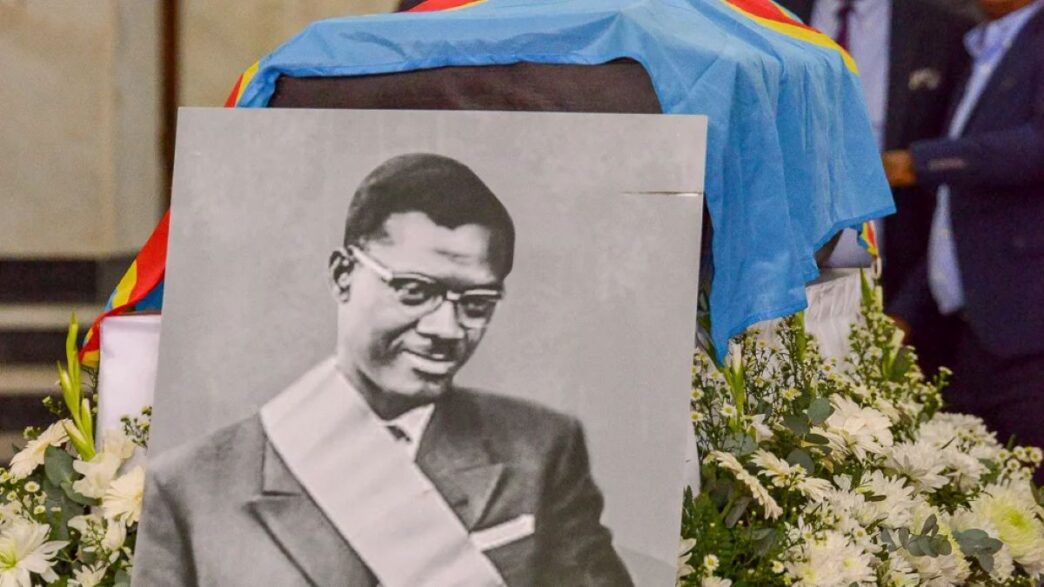
In a landmark decision, a Belgian court has ruled that Etienne Davignon, a former diplomat, can stand trial for his alleged role in the 1961 killing of Patrice Lumumba, Congo’s first prime minister.
The ruling follows a 2011 criminal case brought by Lumumba’s family, who have long sought justice for the brutal execution of the independence hero.
At 93, Davignon is accused of involvement in the unlawful detention and degrading treatment of Lumumba, who was seen as a symbol of Africa’s anti-colonial movement. At the time, Davignon was a trainee diplomat, though he later ascended to the position of vice-president of the European Commission. He is the only surviving member of the 10 Belgians accused in this case.
The infamous events surrounding Lumumba’s death remain a dark chapter in Belgium’s colonial history.
In January 1961, Lumumba was executed by a firing squad, and his body was dissolved in acid. His death followed a coup in September 1960, two months after Lumumba became prime minister following Congo’s independence from Belgium. Lumumba’s fiery rhetoric against his former colonisers, particularly a speech in which he condemned the humiliation faced by the Congolese under Belgian rule, made him a target.
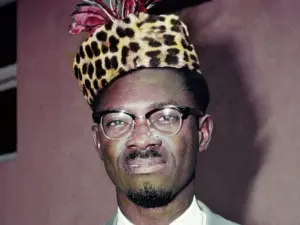
Despite denying being a communist, his anti-Western stance during the Cold War made him a subject of suspicion among global powers.
Belgium, which had relinquished its colonial grip, is now forced to reckon with its role in Lumumba’s tragic demise. In recent years, Belgium has acknowledged its responsibility, apologising both to Lumumba’s relatives and to the Democratic Republic of Congo.
The decision to allow Davignon to face trial has been met with relief by Lumumba’s family. His grandson, Mehdi Lumumba, told AFP, “We are all relieved. Belgium is finally confronting its history.”
This ruling is seen as a long-awaited step towards justice for the Lumumba family, though it remains subject to appeal.