Trending


The World Food Programme (WFP) has warned that countries in Sub-Saharan Africa and Asia are vulnerable to a worsening food security crisis as the crisis in the Middle East intensifies.
The WFP, in a post published on its website on Tuesday, warned that the total number of people worldwide facing acute hunger could reach record levels in 2026 if the escalation in the Middle East continues.
“WFP estimates that almost 45 million more people could fall into acute food insecurity or worse (IPC3+) if the conflict does not end by the middle of the year and oil prices remain above USD 100 a barrel. These would add to the 318 million people around the world who are already food insecure,” the WFP stated.
Read More : UN Experts Condemn US Deportation Policy
It recounted the Ukraine war in 2022 and how the conflict triggered global hunger, which reached record levels with 349 million people impacted, adding that history could repeat itself.
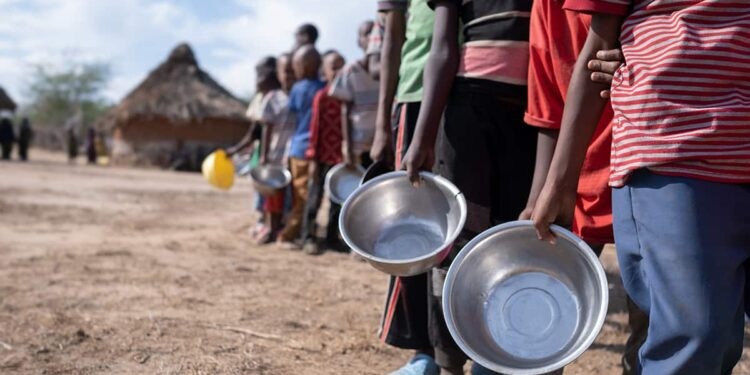
“WFP’s latest projections indicate we are at risk of facing a similar situation in the months ahead if the Middle East conflict continues. During the 2022 period, food prices were fast to spike but slow to come down. This meant that vulnerable families already struggling with hunger were priced out of staple food items almost overnight, and for extended periods of time,” it added.
According to WFP Deputy Executive Director and Chief Operating Officer Carl Skau, the Middle East crisis will send shockwaves across the globe, and families who already cannot afford their next meal will be hit the hardest.
It attributed the food insecurity projection to the shipping standstill in the Strait of Hormuz, which Iran has closed. The closure of the Strait of Hormuz is increasing energy, fuel, and fertiliser costs beyond the Middle East.
It added that countries in sub-Saharan Africa and Asia are the most vulnerable to this closure because of their reliance on imports.
Read More : Volz Leads US Energy Push at AEW 2026
“According to WFP’s analysis, countries in sub-Saharan Africa and Asia are the most vulnerable due to a reliance on food and fuel imports. Projections indicate an increase of 21% in food-insecure people for West and Central Africa and 17% for East and Southern Africa. An increase of 24% is forecast for Asia,” it added.
“Sudan, for example, imports around 80% of its wheat – a higher price for this staple will push more families into hunger. In Somalia, a country in the midst of severe drought, the price of some essential commodities has risen by at least 20% since the conflict began, according to local reports. Both are countries with high levels of food insecurity that have also experienced famine in recent years.”