Trending
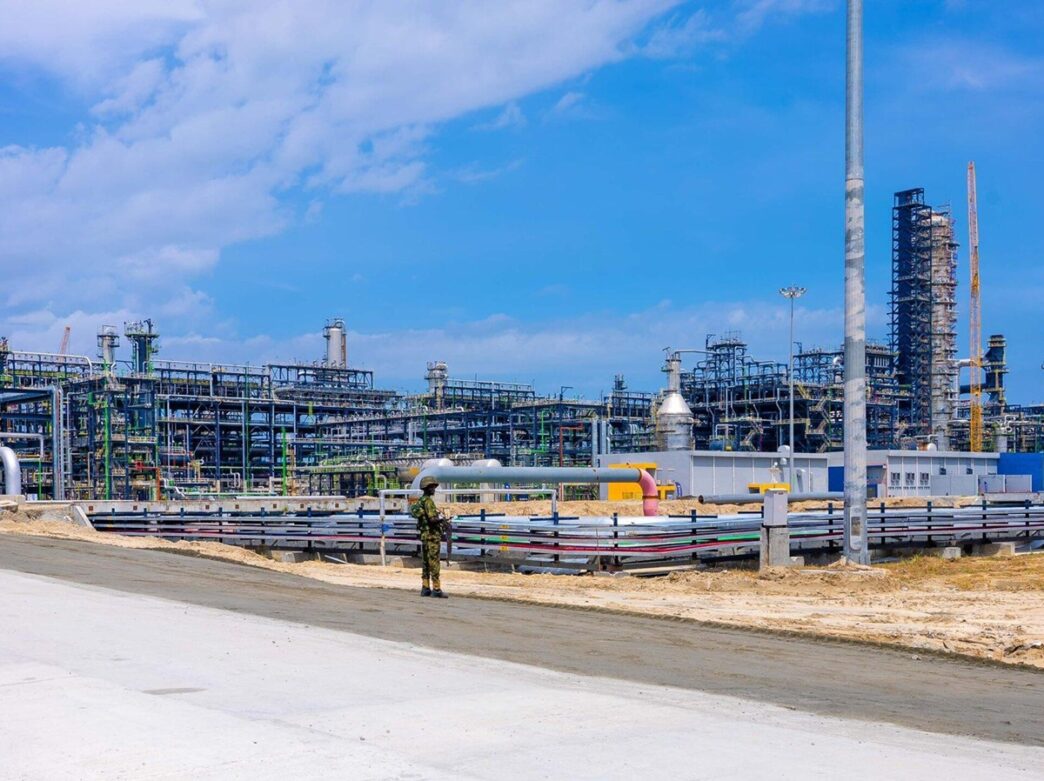
Nigeria’s oil trade took an unexpected turn in 2025, as crude imports linked to the Dangote Refinery climbed to $3.74 billion — a surprising development for a country long known for exporting crude.
The figures, contained in the Central Bank’s latest Balance of Payments report, highlight how the refinery’s crude purchases are beginning to reshape the country’s external accounts, playing a notable role in the current account position.
According to the report, Nigeria recorded a current account surplus of $14.04 billion in 2025. While this is lower than the $19.03 billion posted in 2024, it still marks a significant improvement compared to the $6.42 billion recorded in 2023.
The dip from the previous year was partly driven by shifting oil trade patterns, especially the growing need to import crude for domestic refining — a change tied to operations at the world’s largest single-train refinery.
This transition is also reflected in export figures. Crude oil exports fell to $31.54 billion in 2025, down from $36.85 billion in 2024 — a decline of about 14 percent.
Despite this, Nigeria’s overall goods account strengthened, posting a surplus of $14.51 billion, up from $13.17 billion the previous year. The report links this improvement largely to activities surrounding the Dangote refinery, alongside stronger performance in other export segments.
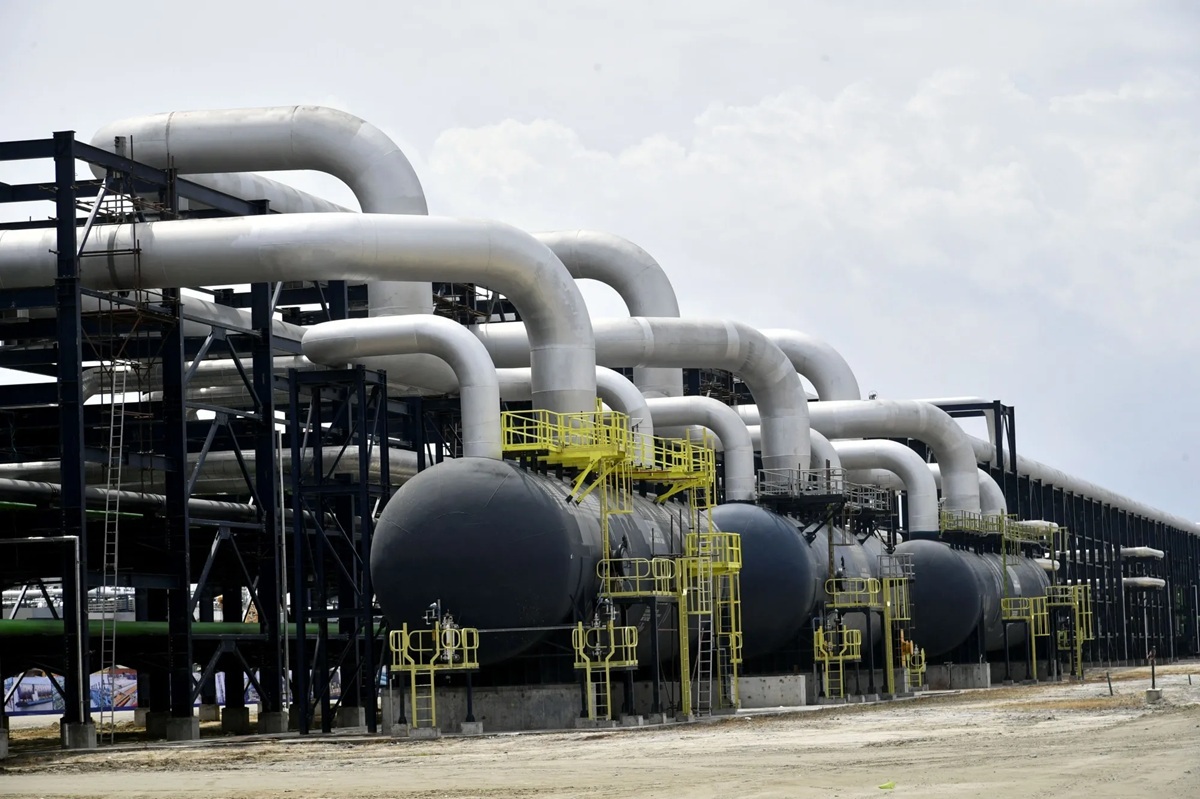
One of the standout developments was the rise in refined petroleum exports, which generated $5.85 billion over the year. Higher gas exports also supported the country’s improving trade position.
At the same time, the refinery’s operations appear to be reshaping Nigeria’s import profile. With more fuel being refined locally, reliance on imported petroleum products has dropped sharply.
Fuel imports declined to $10 billion in 2025, from $14.06 billion in 2024 — an almost 29 percent reduction.
However, this progress was partly offset by rising non-oil imports, which increased to $29.24 billion from $25.74 billion a year earlier, signalling continued demand for foreign goods.
Read More : Sowore Returns to Resume Presidential Campaign
The report also pointed to increased investment outflows, with Nigerians expanding their holdings in both direct and portfolio investments abroad during the year.
Overall, Nigeria maintained a positive balance of payments, recording a surplus of $4.23 billion in 2025. Although lower than the $6.83 billion recorded in 2024, it still reflects a relatively stable external position.
Meanwhile, external reserves grew to $45.75 billion by the end of December 2025, representing a 13.83 percent year-on-year increase, supported by stronger inflows and improved external buffers.