Trending
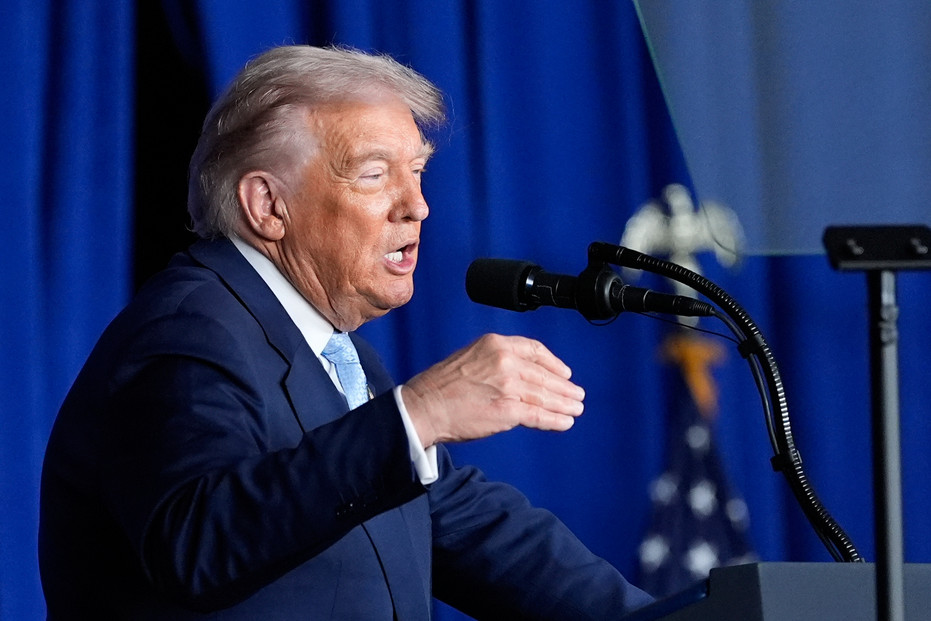
The Trump administration has introduced a comprehensive four-page legislative blueprint aimed at establishing a singular federal standard for artificial intelligence.
This “commonsense national policy framework” seeks to unify AI oversight across the United States, specifically urging Congress to preempt a growing “patchwork” of individual state laws.
The White House argues that a national standard is necessary to prevent 50 different sets of regulations from imposing undue burdens on the burgeoning tech industry.
Read More : First US Trial Against TikTok Opens Monday
The proposed framework outlines several key priorities, including robust child protection measures such as age-verification requirements and parental controls to combat risks of self-harm and exploitation.
On the contentious issue of intellectual property, the administration stated its belief that training AI models on copyrighted data generally does not violate current laws, though it expressed support for letting the court system finalise the matter.
Additionally, the White House has threatened to withhold federal broadband and internet funding from states that implement AI rules deemed too restrictive.
Read More : Cambodia No ‘Safe Haven’ for Cyberscams – PM
This federal push comes as major industry players, including OpenAI and Google, have begun aligning with state-level legislation in California and New York due to previous gridlock in Washington.
While the administration is pushing for swift movement, the proposal faces a difficult path through Congress, where two previous attempts to establish federal preemption have already failed.
The move marks a significant attempt to reassert federal authority over a technology that is rapidly becoming a central pillar of the global economy and national security.