Trending
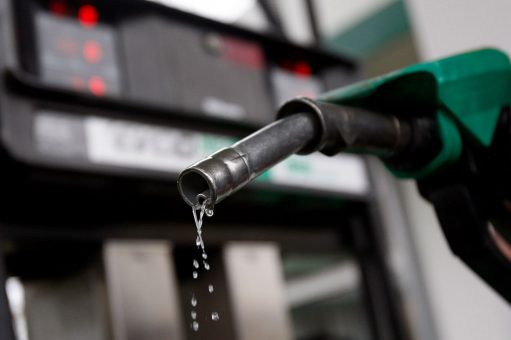
The Dangote Petroleum Refinery has increased the pump price of Premium Motor Spirit (petrol), raising its ex-depot (gantry) price from N1,175 per litre to N1,245 per litre, citing rising global geopolitical tensions.
In a notice sent to marketers on Friday night, obtained by Punch News, the refinery also adjusted its coastal price upward as part of the latest revision.
The development marks the fourth price increase in March alone. Earlier in the month, petrol prices moved from about N774 to N875, then N995, N1,175, and now N1,245 per litre.
The company explained the adjustment, saying it was driven by worsening global geopolitical conditions affecting oil markets.
“Please be informed that due to the current global geopolitical situation, which has further escalated, the PMS gantry and coastal prices have been reviewed and updated as outlined below,” the notice stated.
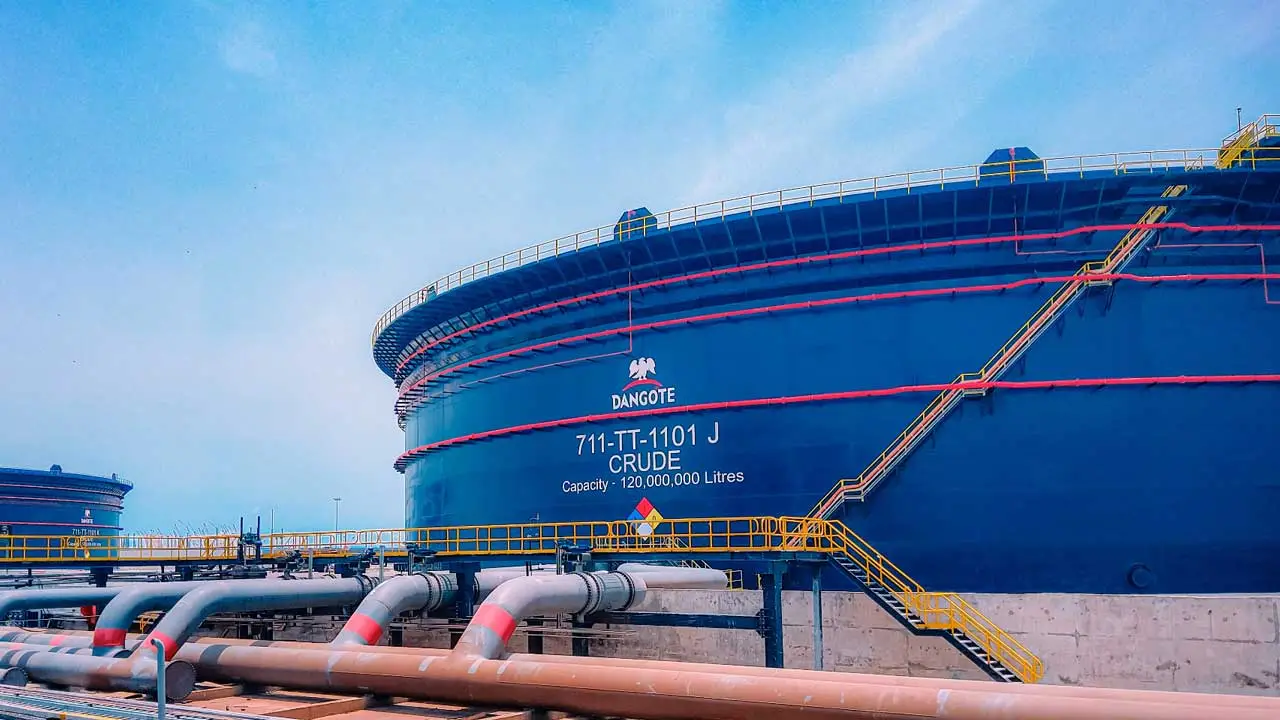
According to the document, the gantry price rose by N70 per litre, while the coastal price increased from N1,512,648 per metric tonne to N1,606,518 per metric tonne.
It added that the new pricing regime takes effect from midnight on Saturday (March 21, 2026), covering all gantry and coastal volumes already unloaded.
“The refinery raised its coastal price from N1,512,648 per metric tonne to N1,606,518 per metric tonne, while the gantry price increased from N1,175 per litre to N1,245 per litre.
“Please note that the revised price will apply to all unloaded gantry and coastal volumes and is effective from 12am on the 21st of March 2026,” it said.
The refinery further stated that marketers with valid supply arrangements supported by bank guarantees would still be allowed to lift products under existing approvals, provided they meet specified conditions.
It also noted that the price difference would be charged to marketers’ accounts, with payment evidence required by March 23, 2026.
Read More : October 1: Makinde Calls for Unity
The latest hike is expected to push retail fuel prices higher nationwide as marketers adjust pump prices to reflect the increased landing cost.
Industry analysts say the repeated adjustments shows Nigeria’s continued exposure to global crude oil volatility and supply disruptions, despite expectations that domestic refining would stabilise pricing.
The refinery maintained that the review was unavoidable, stressing that external global factors were responsible for the upward adjustment.