Trending
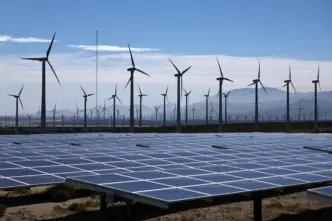
With oil prices skyrocketing as the crisis in the Middle East and the Strait of Hormuz remains closed, many countries are struggling to maintain regular operations, and the conversation has turned to energy independence.
An energy market analyst from World Energy Mag noted that only countries that produce energy at home are protected from the soaring energy costs.
“Wars in oil-producing regions always send prices up, but $100 per barrel creates real economic damage. At that price point, shipping costs double, airlines raise ticket prices, and plastic manufacturers pay more for raw materials. Everything gets more expensive. They’re insulated from global price swings because they’re not buying fuel on international markets,” the analyst said.
Read More : Five Quakes Rattle South Türkiye
A new report by World Energy Mag ranked countries according to their energy independence. The research examined over 70 countries across six factors to identify which nations can meet their energy demands without relying on foreign imports.
The study looked at how much energy each country produces compared to what it consumes and whether it exports power or needs to import it. Countries were also evaluated on their use of renewable sources such as hydro and wind power, their dependence on fossil fuels, and whether they import natural gas from other nations.
The report found that Norway is the world’s most self-sufficient country in meeting its energy needs.
“Norway is the most energy-independent country in the world, producing 7 times more energy than it consumes domestically. Nearly 90% of Iceland’s energy comes from geothermal heat and hydroelectric dams, making it a leader in renewable energy production,” the report stated.
“Nordic countries are the most energy-independent nations in the world, with Sweden, Finland, and Denmark also making the top 10.”
The following are the 5 most energy-independent countries in the world:
Norway:
According to World Energy Mag, Norway is the world’s most energy-independent country. The Nordic nation produces more than 7 times the energy it actually uses, exporting the surplus to neighbouring European countries that can’t meet their own demand.
Half of Norway’s power comes from hydroelectric dams and nuclear plants, while the other half comes from fossil fuels. Unlike most European countries that import natural gas, Norway sells it instead, producing 26 times more gas than it consumes at home and shipping the rest across Europe.
Iceland
Iceland ranks second in energy self-sufficiency. The island gets nearly 90% of its energy from geothermal heat and hydroelectric power, the highest renewable share among all countries studied. The country burns almost no fossil fuels either, keeping consumption at just 10% of its total energy use. And unlike European nations that depend on imported Russian gas, Iceland produces its own, avoiding any foreign gas dependency.
Read More : Iran’s Oil Minister Paknejad Resigns
Sweden
Sweden takes third place, scoring 95/100 for energy independence. World Energy Mag says this is because almost half of Sweden’s energy comes from nuclear plants and renewable sources, while fossil fuels account for only a quarter of local consumption. Sweden has no domestic natural gas production and imports what it needs, mostly from Denmark. But because gas plays a minor role in Sweden’s energy mix, the country only imports 28% of its total energy needs, putting it well ahead of most European nations that rely heavily on foreign suppliers.
Brazil
Brazil ranks fourth among the highest-scoring developing countries on the list, according to World Energy Mag. The South American country produces 14% more energy than it uses, exporting the excess to neighbouring countries. In contrast to wealthy European nations that can afford expensive nuclear infrastructure, Brazil relies on hydroelectric dams. Fossil fuels still account for about half of Brazil’s consumption, which is higher than in the Nordic countries but lower than in other large developing economies like India or Indonesia.
Finland
Finland rounds out the top five energy self-sufficient states. World Energy Mag reported that over a third of Finland’s power comes from nuclear plants and renewables, while fossil fuels account for less than 33% of total consumption. So despite Finland importing all of its natural gas, the country’s strong nuclear and renewable infrastructure keeps total energy imports at just 32%. This puts Finland ahead of other European nations that import 60% to 80% of their energy, mostly through gas pipelines that can be cut off during geopolitical conflicts.