Trending
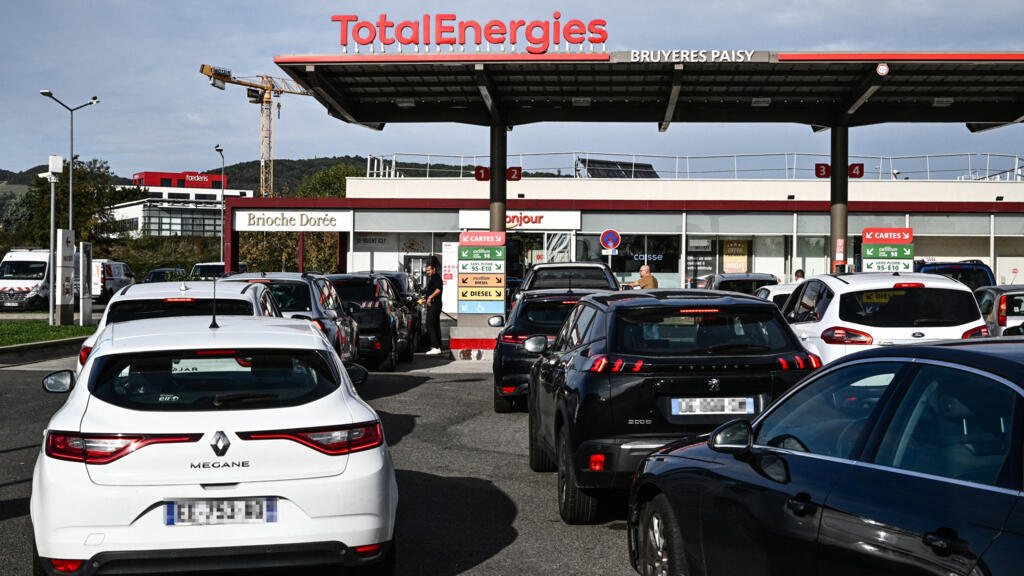
The French government announced a series of indirect interventions on Monday aimed at mitigating soaring fuel prices driven by the ongoing conflict in the Middle East.
The measures include the easing of certain payroll levies, extended tax payment deadlines, and the provision of public loans for businesses within the transport and fishing sectors.
These steps come as global markets struggle with the functional closure of the Strait of Hormuz—a vital maritime chokepoint—and continued Iranian retaliatory strikes against energy infrastructure in neighbouring Gulf states.
Read More : Naira Holds Steady Across FX Markets
Despite the government’s efforts, the response from industry groups has been largely critical.
Fishing associations have dismissed the package as “mini-measures,” arguing that the relief falls significantly short of the support required for trawlers to remain operational at sea.
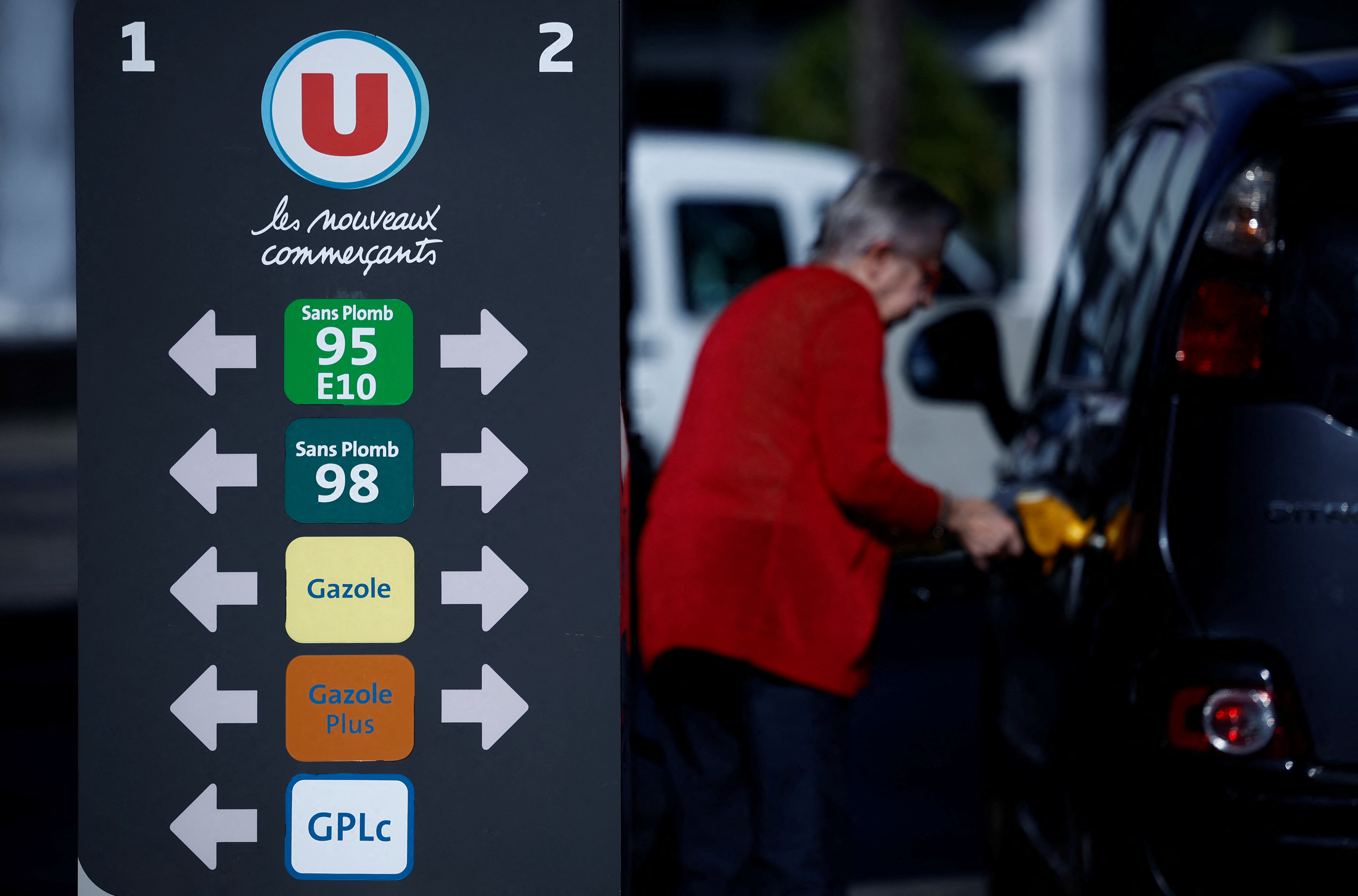
The economic strain is particularly acute in France, which relies on imports for approximately half of its diesel requirements, making the domestic market highly sensitive to international supply disruptions.
In a bid to stabilise European markets, Paris has also formally requested that domestic refineries investigate the possibility of temporarily boosting production.
However, industry experts and refining companies have expressed scepticism regarding significant increases.
While some firms suggest a maximum potential output rise of 10% under ideal conditions, major players like TotalEnergies are reportedly already operating at full capacity, leaving little room to further alleviate the current energy tensions.