Trending
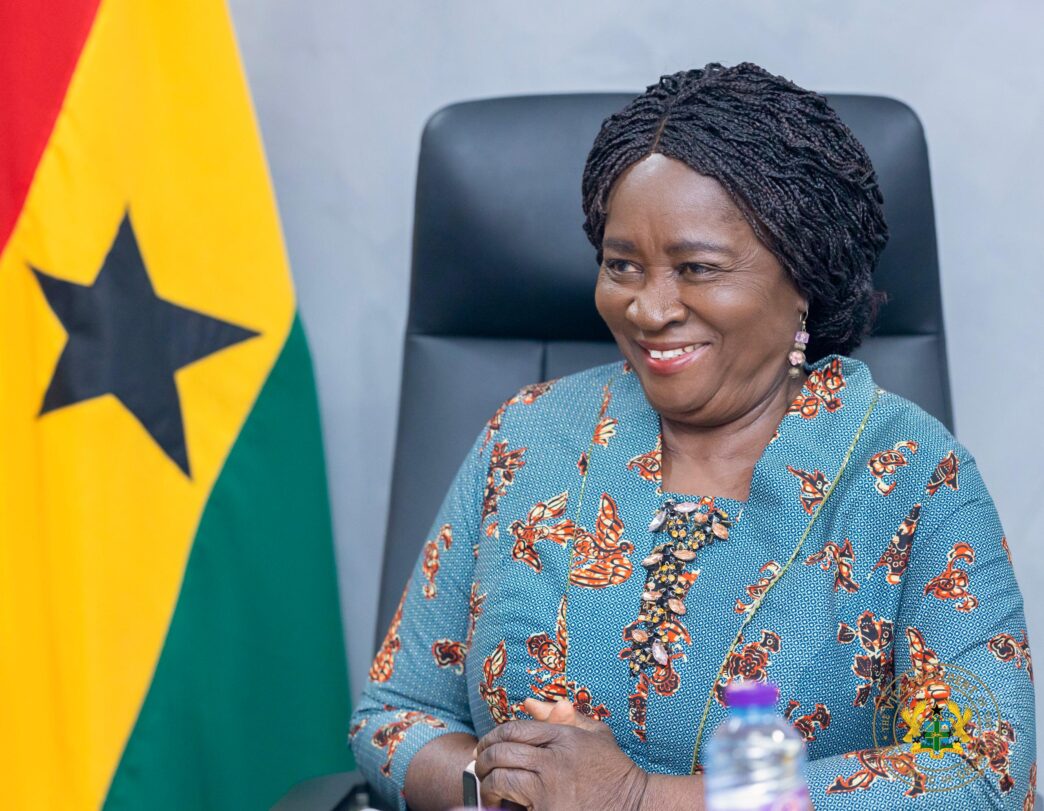
Ghana and the European Union on Tuesday signed their first formal defence partnership, aimed at strengthening cooperation on counterterrorism, intelligence sharing, and crisis response.
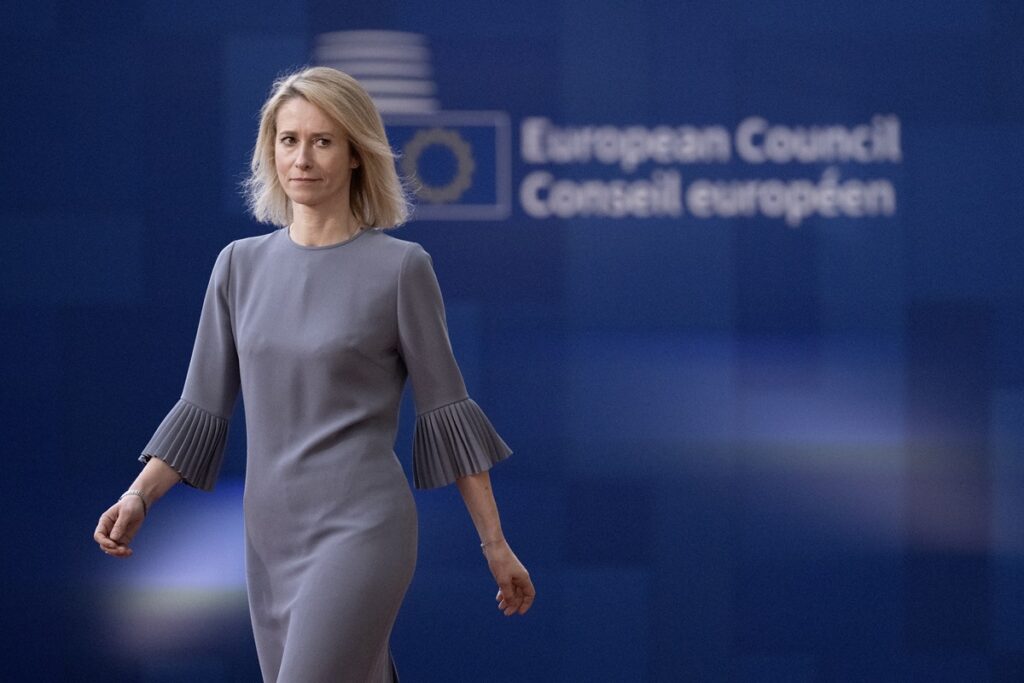
The agreement was signed in Accra by EU foreign policy chief Kaja Kallas and Ghanaian Vice President Jane Naana Opoku-Agyemang.
The deal positions Ghana as a regional bulwark against growing jihadist violence in West Africa, particularly from the neighbouring Sahel, where armed groups linked to Al-Qaeda and the Islamic State have intensified attacks in recent years.
Read More : Russian Strikes Kill Five in Ukraine
“This partnership allows us to work more closely in areas that matter for the security of our citizens, both in Europe and Ghana,” Kallas said, calling it the first of its kind between the EU and an African nation.
The agreement builds on a broader €50-million EU support package delivered since 2023, which includes advanced communication systems and boats to enhance Ghana’s border security.
Under the new partnership, the Ghanaian military will also receive surveillance drones, anti-drone guns, and motorcycles.
Ghana’s National Security Coordinator Osman Abdul-Razak said the collaboration comes at a time of evolving national and regional threats.
Ghana shares a border with Burkina Faso, which, along with other Sahel countries, accounted for nearly half of all terrorism-related deaths for the third consecutive year in 2025, according to the Global Terrorism Report.
Read More : Washington Tightens Iran Economic Squeeze
“The nature of security challenges continues to change, requiring stronger collaboration and improved capacity among security agencies,” Abdul-Razak said.
Observers have warned that military measures alone may not be enough to contain jihadist insurgencies in Burkina Faso, Mali, and Niger, citing the need for sustained political and economic engagement in neglected rural areas.
While Ghana has remained relatively calm, researchers note that armed groups from Burkina Faso often use northern Ghana as a safe route rather than targeting the country directly.