Trending
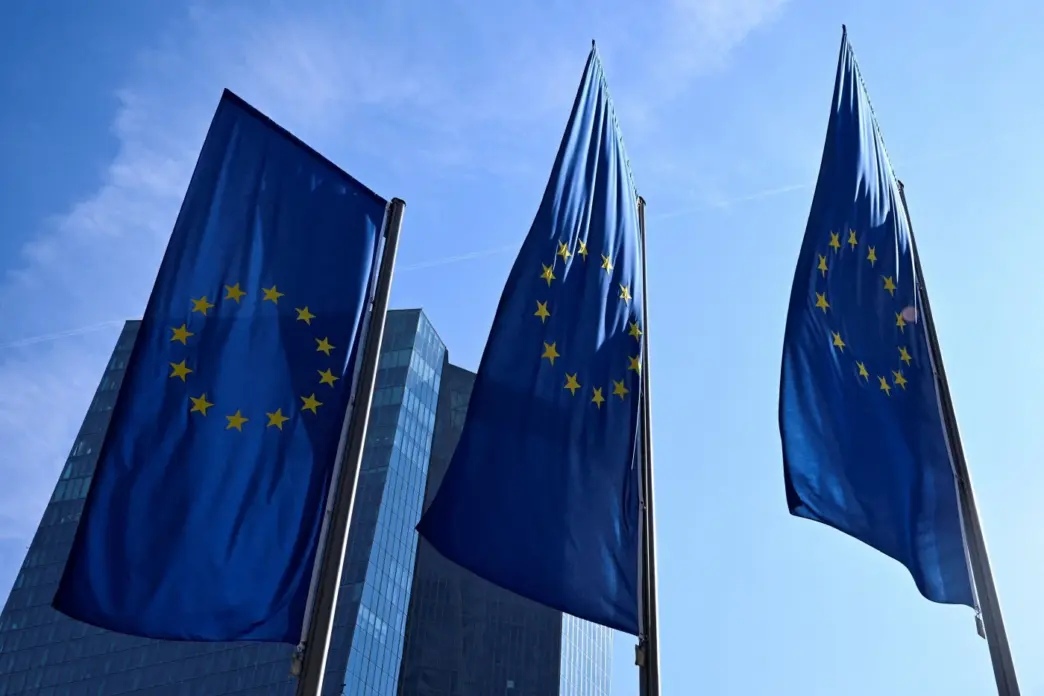
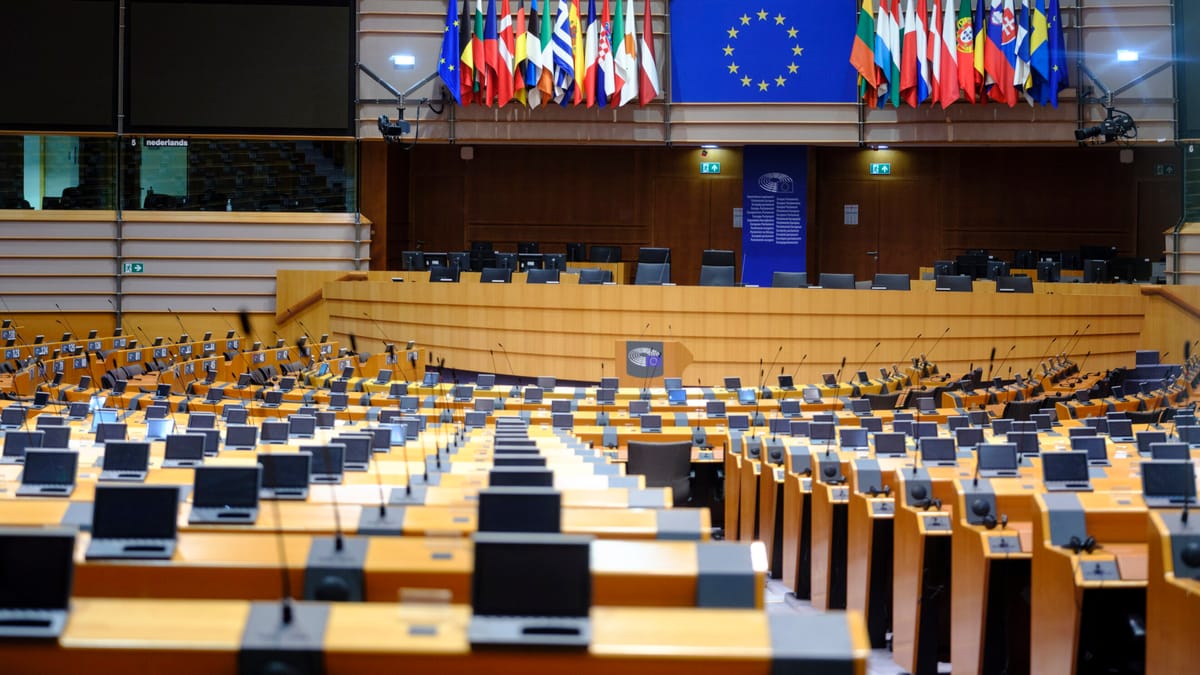
The European Parliament is set to vote this Thursday on a conditional tariff agreement with the United States, aimed at stabilising a trade relationship worth €1.6 trillion.
While the original deal established a 15% tariff on most European goods last summer, a series of aggressive levies from the Trump administration on steel, aluminium, and automotive parts has forced Brussels to reassess its strategy.
Lawmakers are now considering cutting tariffs on certain American imports, but only with strict new safeguards designed to protect European industries from further economic volatility.
To ensure predictability, European negotiators have added several “fail-safe” provisions to the pact.
These include a “sunset clause” that would cause tariff reductions to automatically expire in March 2028, as well as “reciprocity requirements” that tie European concessions directly to similar tax cuts from Washington.
These measures come amid warnings from U.S. officials that further delays could jeopardise Europe’s favourable access to American liquefied natural gas (LNG), a critical resource as the ongoing Middle East conflict continues to drive up global energy costs.
Read More : PETROAN Directs Members To Inspect Fuel Meters
Beyond the immediate tension with Washington, the “Trump factor” has accelerated a broader European movement toward global trade diversification.
Under the leadership of Ursula von der Leyen, the EU has rapidly finalised stalled agreements with the Mercosur bloc, India, and Australia to reduce its overdependence on both the U.S. and China.
Analysts suggest that by building the world’s largest network of free-trade areas, the EU is effectively creating a “strategic arsenal” to defend against international trade coercion and maintain its sovereignty in an increasingly unstable global order.