Trending
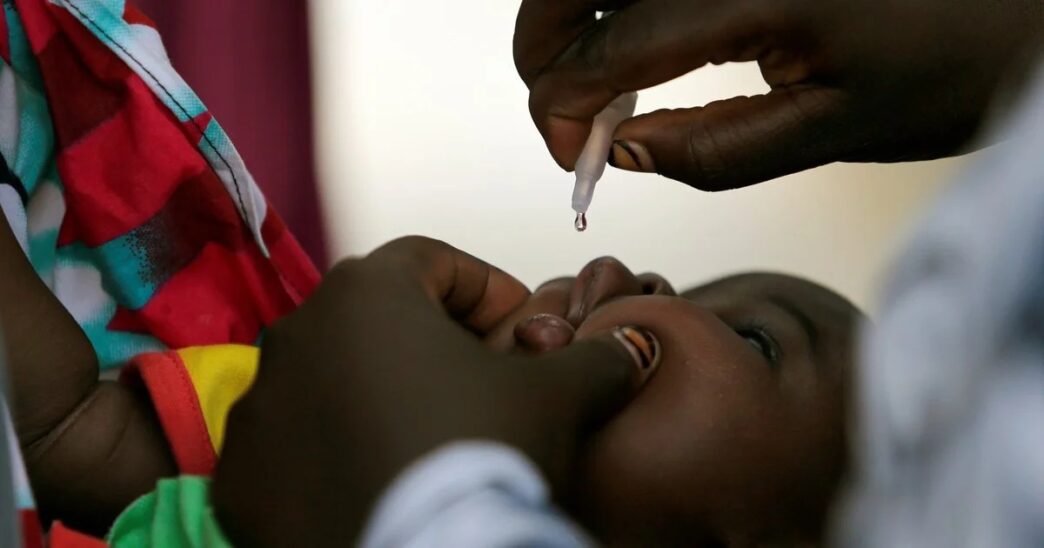
The Gombe State Government, in collaboration with the United Nations Children’s Fund (UNICEF), has commenced its first polio immunisation campaign for 2026, with renewed commitment to eradicating the disease.
Speaking during an interactive session with journalists after a review meeting in Gombe, the Chief of UNICEF’s Bauchi Field Office, Dr Nuzhat Rafique, said the exercise would be intensive and critical to Nigeria’s goal of becoming polio-free.
She noted that the state had demonstrated a strong commitment to the campaign, with active involvement from government officials and health authorities.
Read More : Thales to Build Nigeria’s New Telecom Satellite
Rafique explained that the five-day exercise, which followed flag-off activities at both state and local government levels, was already making steady progress, with teams reaching hard-to-access communities and improving coverage across local government areas.
She added that performance was expected to improve further as the campaign advanced.
“This is the first polio campaign of 2026 in Gombe, and it is going to be very rigorous. It is very important for Nigeria to eradicate polio soon and become completely polio-free. Gombe is doing its best and trying very hard to reach that status,” Rafique said.
“As always, thanks to His Excellency, the Executive Governor of Gombe State and his entire team for their strong commitment to this campaign. The Executive Secretary and I attended the evening review meeting, which shows the level of dedication.
“We have visited many hard-to-reach areas, and the teams are covering the LGAs effectively. The completion rate of settlements is increasing daily. This is a five-day campaign, and we expect even greater progress by days three, four and five.”
She also stated the role of traditional institutions, noting that emirs and community leaders had taken ownership of the campaign by supporting mobilisation efforts and hosting flag-off events in their domains.
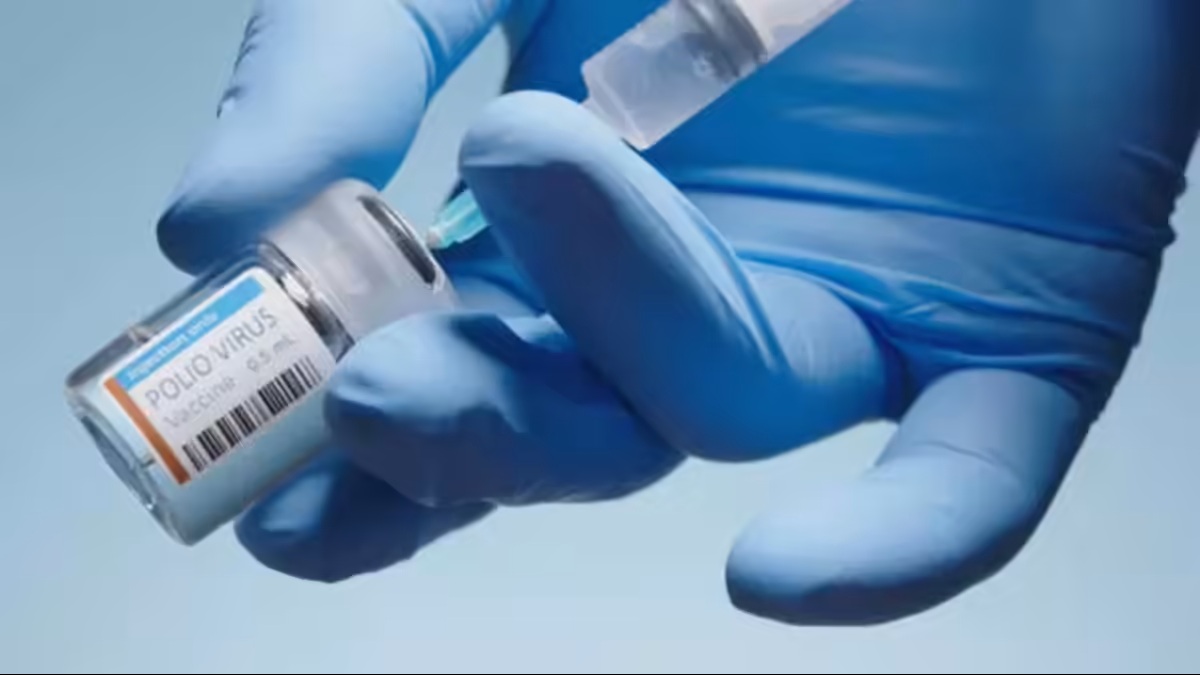
According to Rafique, UNICEF and its partners have provided significant support, including the supply and distribution of over 965,000 vaccine doses across the state through the primary healthcare system.
“UNICEF, alongside other partners, is a major supporter of polio campaigns. We have provided over 965,000 doses of polio vaccines, which have been safely distributed across all LGAs by the state’s primary healthcare system,” she stated.
She disclosed that the campaign targets thousands of children, including many who have never received any vaccination, stressing that efforts are being made to ensure no child is left out.
On operational challenges, Rafique said periodic assessments were part of efforts to improve quality, adding that while performance had been commendable, there was still room for improvement in coverage and execution.
Also speaking, the Executive Secretary of the Gombe State Primary Health Care Development Agency, Dr Abdulrahman Shuaibu, said the state had intensified advocacy across all levels, engaging traditional rulers, religious leaders, media, women, and youth groups to drive awareness.
He acknowledged that vaccine hesitancy persists in some communities but said authorities were working closely with local leaders to address concerns and improve acceptance.
Shuaibu emphasised that vaccines remain safe, free, and effective, noting that public acceptance has improved over time, contributing to better routine immunisation outcomes.
Read More : Otti Urges Igbo Traders to Embrace Manufacturing
He added that vaccination teams were drawn from local communities to enhance trust and effectiveness, with members receiving regular training and daily briefings during the campaign.
According to him, community leaders are also being actively involved in addressing non-compliance, particularly in areas where resistance remains a challenge.
The state is aiming to achieve over 95 per cent coverage by the end of the exercise, targeting children between zero and 59 months.