Trending
Global financial markets showed a mixed performance on Tuesday as investors reacted to shifting signals from the White House regarding the five-week-old conflict in Iran.
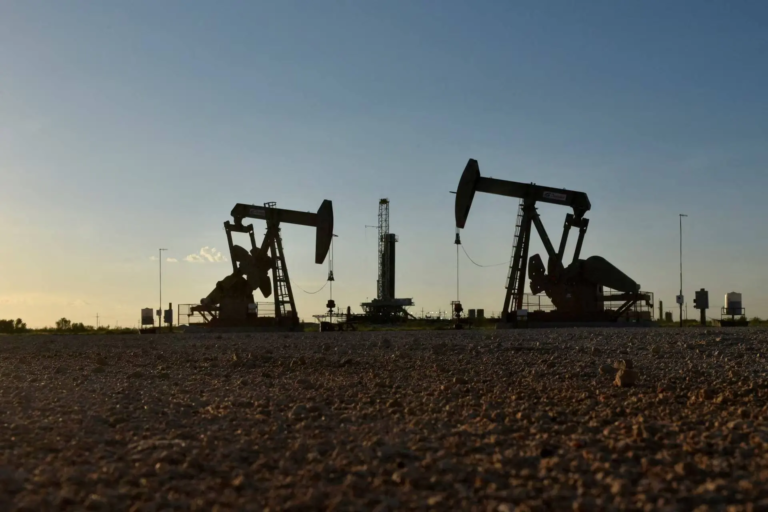
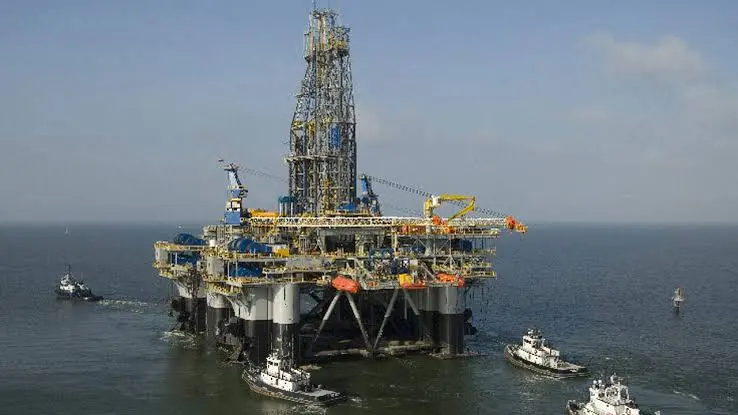
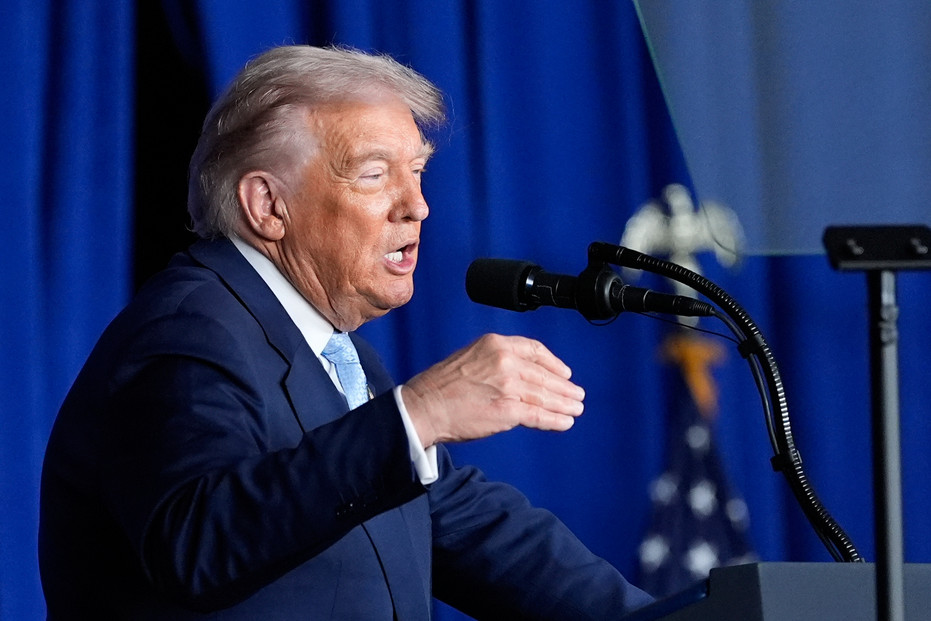
While oil prices dipped slightly with West Texas Intermediate falling to $102.38, the relief was tempered by reports that President Donald Trump might allow the strategic Strait of Hormuz to remain closed to avoid a prolonged military mission.
Instead, the administration appears focused on targeting Iran’s naval and missile capabilities while threatening to destroy critical energy and desalination infrastructure if a diplomatic resolution is not reached.
Read More : China Agrees to ‘Moderate’ Car Exports to Europe
The economic stakes have intensified as U.S. gasoline prices surged past an average of $4 per gallon for the first time in four years.
Despite the President’s claims of progress with a “more reasonable regime” in Tehran, Iranian officials have denied any ongoing negotiations, accusing the U.S. of using diplomacy as a smokescreen for a potential ground invasion.
Market analysts warn that any further escalation or a direct strike on Iran’s Kharg Island export hub could send crude prices toward the historic highs of $150 per barrel seen in 2008.
As the conflict enters a critical phase, the focus of global leadership has shifted toward economic endurance.
Read More : Sims-Inspired Lagos Life Valued at $10 Million
G7 finance ministers met in Paris to discuss energy-saving measures and tax cuts aimed at shielding consumers from sustained inflation.
While Federal Reserve Chair Jerome Powell suggested the central bank might look past temporary energy shocks, equity markets remain volatile.
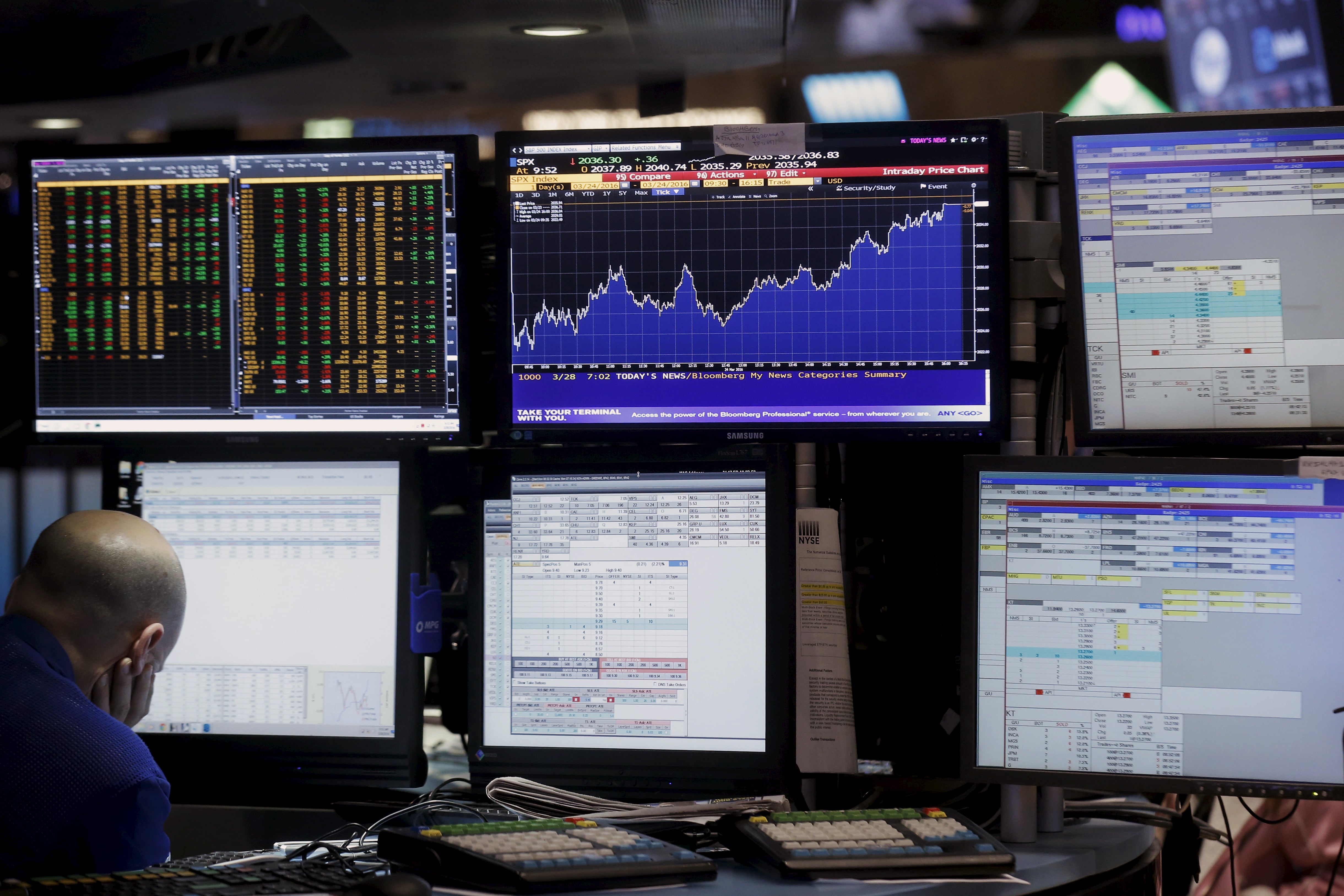
Major Asian indices, including the Nikkei and Shanghai Composite, saw losses on Tuesday, while European markets and the Dow posted modest gains amidst the ongoing geopolitical uncertainty.