Trending
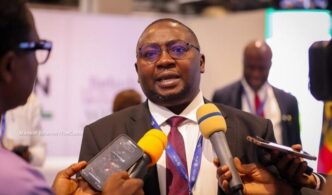
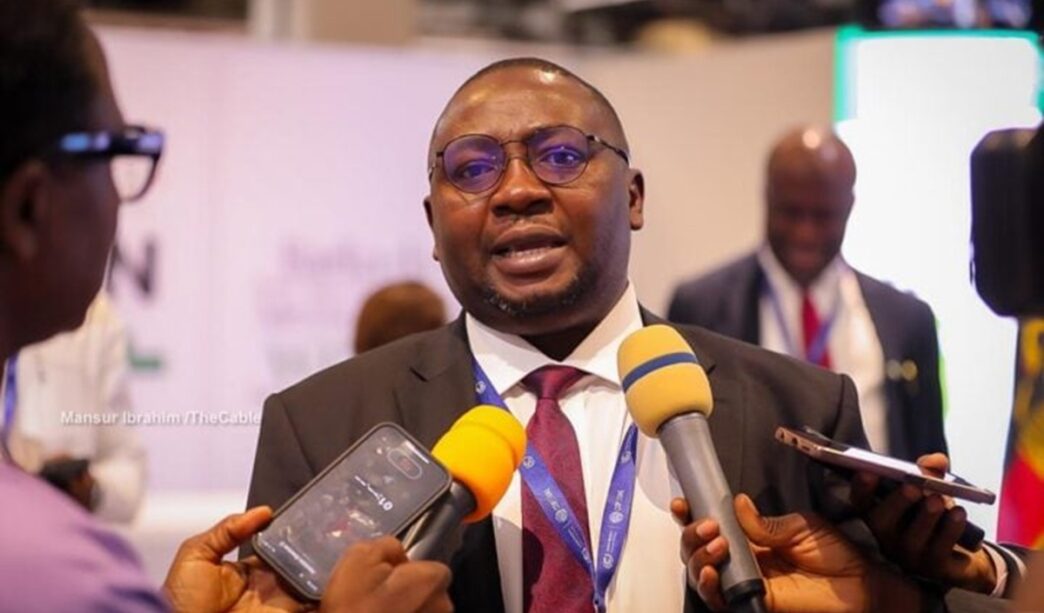
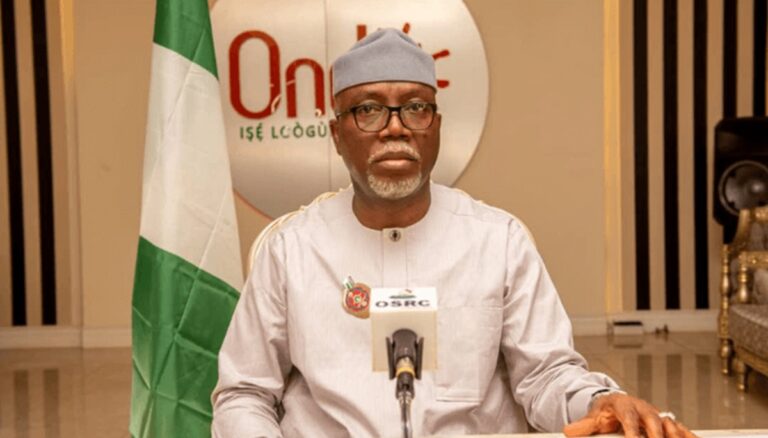
A purported statement claiming that Nigeria’s Power Minister, Adebayo Adelabu, had resigned went viral on Tuesday night but was debunked less than an hour later.
The statement suggested that Adelabu had left the cabinet of President Bola Tinubu to pursue his political ambitions.
“My decision to resign is to enable me to fully pursue my aspiration to contest for the office of Governor of Oyo State and to dedicate my time and resources to that endeavour,” the statement read in part.
Criticism quickly followed the circulation of the statement, with many Nigerians taking to social media to fault the minister. Several users accused Adebayo Adelabu of failing to deliver on his responsibilities as Power Minister during his time in office.
One social media user referred to him as “minister of darkness”.
“Minister of Darkness, Adelabu, resigns to pursue Oyo guber ambition. He’s going to Oyo state to ensure the failure is more discreet, with less scrutiny and more embezzlement. I weep for this nation,” the user wrote on X.
Minister of darkness, Adelabu resigns to pursue Oyo guber ambition. He’s going to Oyo state to ensure the failure is more discreet, with less scrutinity and more embezzlement. I weep for this nation
— Sharon™️ The Algorithm (@Sheshanon) March 31, 2026
Another X user said the Power Minister promised Nigeria 6,000MW, while blackouts persist.
“Adebayo Adelabu spent almost 3 years as Minister of Power and couldn’t even give Nigerians steady light, yet he’s now resigning to go and ‘govern’ Oyo State. The same man who kept promising 6,000MW while we dey suffer blackout upon blackout. The same one wey dey blame NEPA, DISCOs, generators, rain, sun, and even his enemies for the failure,” the user wrote.
“Now e don pack him load dey run go Oyo to contest. Oyo people, una dey ready to collect this ‘achievement’ from Abuja? Because if him no fit fix national power, wetin him go take fix for Oyo?Another classic case of ‘I failed federally, make I go fail at state level too’. Nigerians never learn. Smh.”
🇳🇬| Minister of Darkness finally throwing in the towel!
Adebayo Adelabu spent almost 3 years as Minister of Power and couldn’t even give Nigerians steady light, yet he’s now resigning to go and ‘govern’ Oyo State.
The same man who kept promising 6,000MW while we dey suffer… pic.twitter.com/8Msfd8Mk5u
— Wálé Oríre (@theWaleOrire) March 31, 2026
“Do you see that the Nigerian political class on a normal day don’t rate you? As in, they don’t see their position as a channel of service to you, and that’s why they move the way they do. Look at Adelabu for instance, a colossal failure, by the way, abandons his a position he couldn’t prove himself, in a bid to vie for another position,” another X user wrote.
“Like he literally failed this minister of power litmus test, but his response is no, let me leave this one and go and become governor. So my question now is, why do you then slave for people like this who do not rate you? They don’t even consider you as human.”
Adelabu’s Gubernatorial Ambition
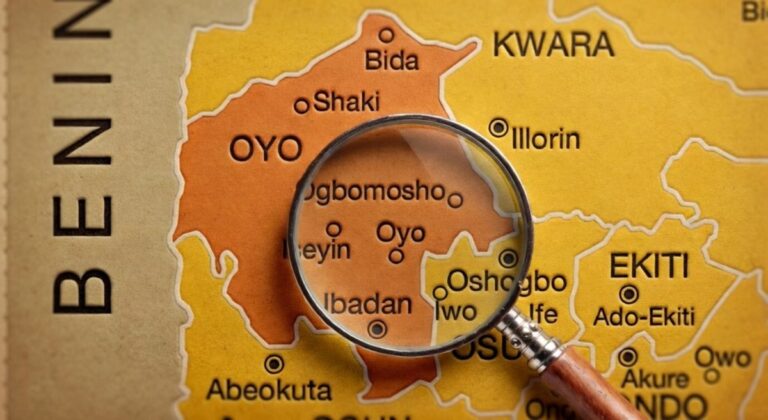
Addelabu has been nursing gubernatorial ambitions since 2018, but has lost twice to Oyo State Governor Seyi Makinde of the Peoples Democratic Party (PDP).
The Power Minister resigned his role as deputy governor (operations) at the Central Bank of Nigeria (CBN) in 2018 to pursue a governorship bid in 2019.
He emerged as the All Progressives Congress (APC) candidate in the 2019 Oyo State gubernatorial election but lost to Makinde.
Adelabu lost the APC ticket to Teslim Folarin, a former senator, in 2022 and defected to the Accord Party (AP). He got the party’s ticket but lost the election to Makinde again.
Adelabu’s Highs and Lows as Power Minister
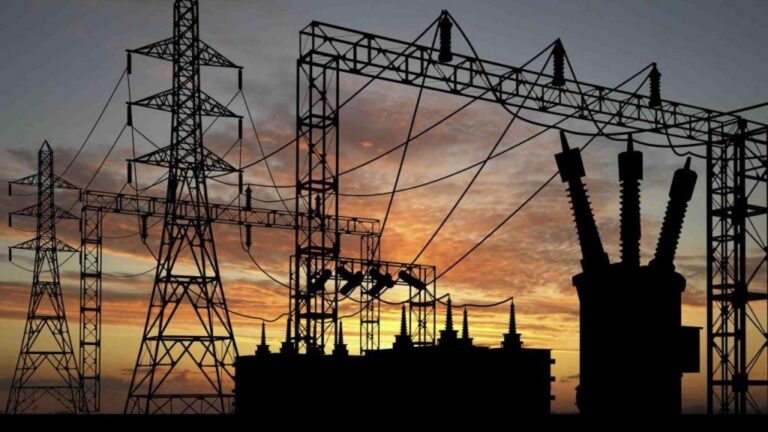
Since he became minister, Adelabu has promised to revitalise Nigeria’s power sector, which is plagued by frequent grid collapse and persistent blackouts.
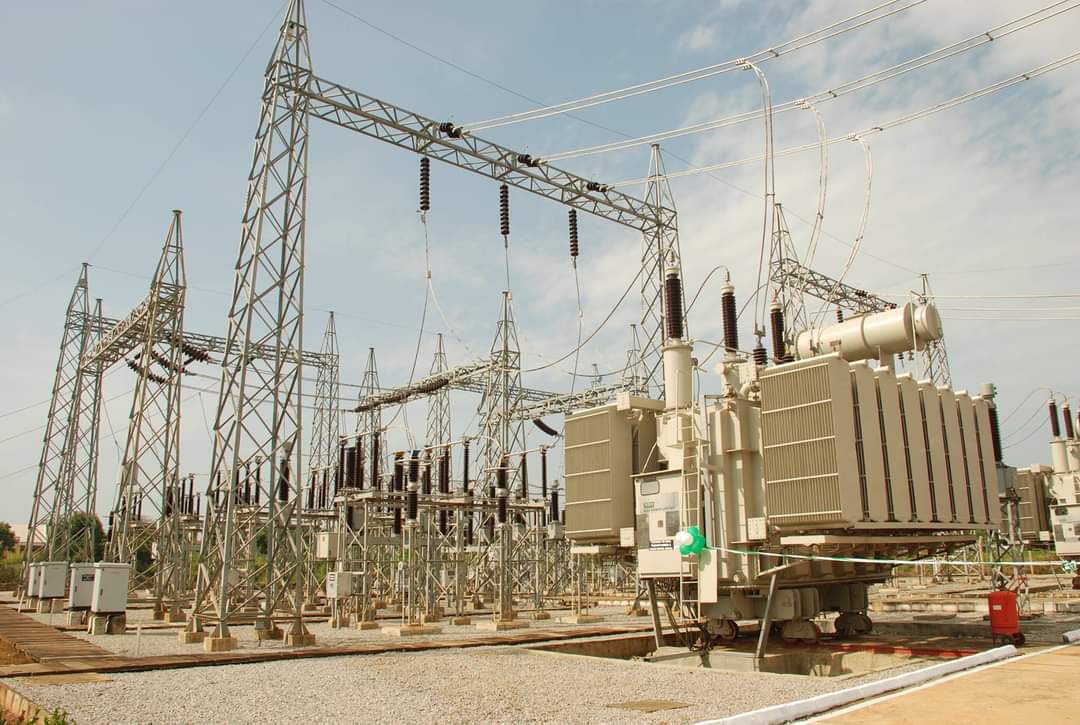
Adelabu has recorded some wins as minister. For instance, he claimed in January 2025 that Nigeria’s average generation increased from about 4,100 MW in 2023 to around 5,500+ MW in 2024.
Nigeria is also nearing its set national metering target of 6,966,584 meters. The NERC revealed 109,556 customers were newly metered in December 2025, up from 88,592 recorded in November.
As of December 2025, Nigeria has 6,966,584 metered customers.
Some setbacks, however, threaten his gains as Power Minister, as rid collapses and constant blackouts still persist.
According to the Nigerian Electricity Regulatory Commission (NERC), which tracks the performance of power plants connected to the national grid, the national grid produced an average available capacity of 4,384 megawatts (MW) in February.
Read More : PDP Mourns NAF Crash Victims in Ondo
FIJ reported that February’s figure was the lowest monthly average since June 2024, while Nigeria’s power generation remains far below the level required to meet the needs of its over 200 million people.
Nigeria’s power generation relies heavily on thermal stations, which produce about 70% of the electricity supplied by the National grid. Several power plants, however, have reported gas supply shortages.
Gas suppliers disrupted supplies to gas-fired power stations in March over an estimated N3.3 trillion in debt owed by power generation companies.