Trending
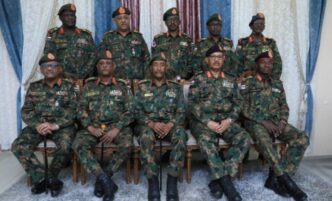
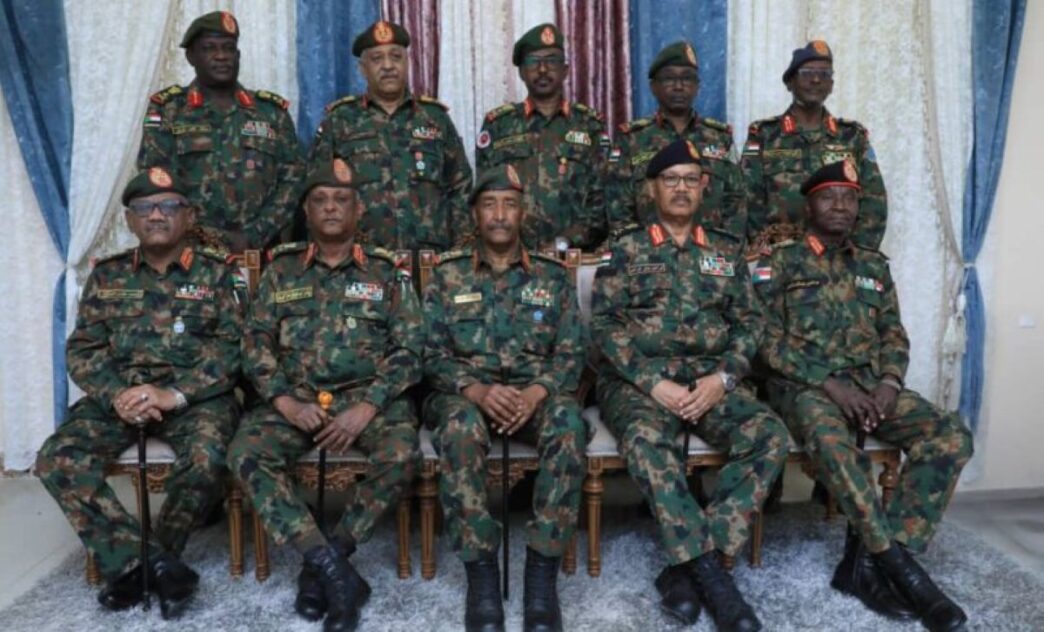
Sudan’s military leadership has undergone a significant restructuring, with General Yasser al-Atta appointed as the new chief of staff in what officials describe as the most extensive shake-up since the conflict with the Rapid Support Forces (RSF) began nearly three years ago.
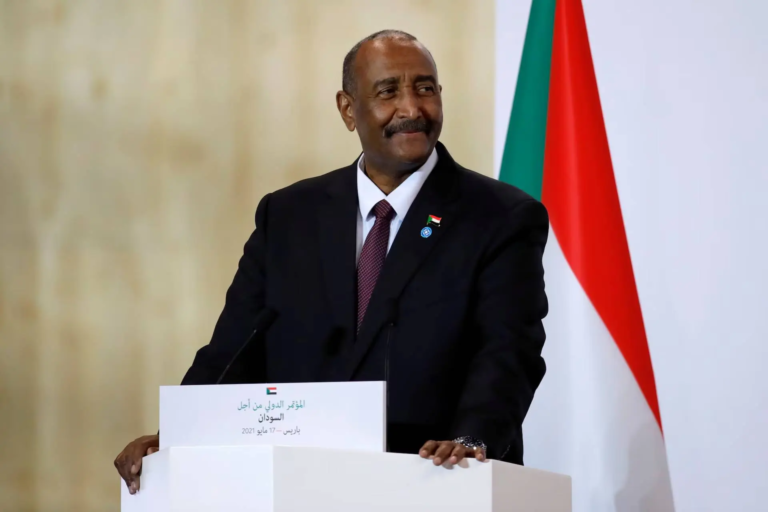
According to a statement from the army spokesman, Atta, who currently serves as a deputy to army chief Abdel Fattah al-Burhan within the Transitional Sovereignty Council, will now head the newly structured armed forces command. His appointment replaces General Mohamed Othman al-Hussein, who has held the position since 2019.
The reshuffle extends beyond a single appointment, with new deputies assigned to oversee critical divisions including administration, operations, training, supply, and military intelligence. The move signals a broader effort by the military leadership to recalibrate its command structure as the war evolves.
Read More : Sudan Drone Strikes Kill 10 in El-Obeid
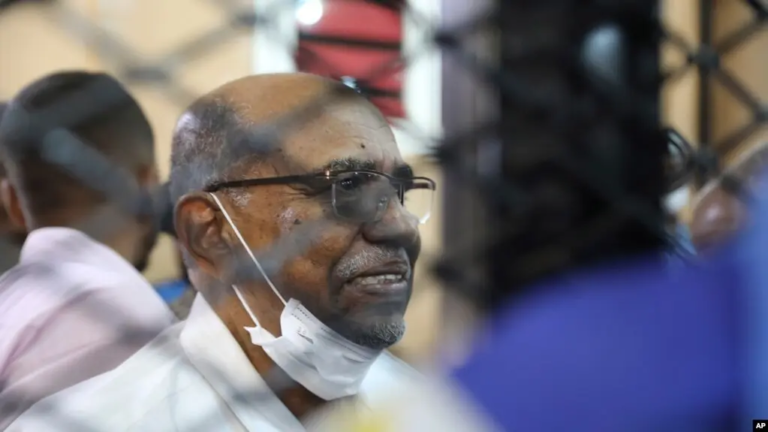
A veteran officer with nearly four decades of service, Atta is widely recognised for his outspoken stance on regional involvement in the conflict. He has repeatedly accused the United Arab Emirates of backing the RSF, claims that Abu Dhabi has consistently denied. Beyond his military credentials, Atta has also played a key political role, serving on the Transitional Sovereignty Council established after the 2019 removal of former president Omar al-Bashir.
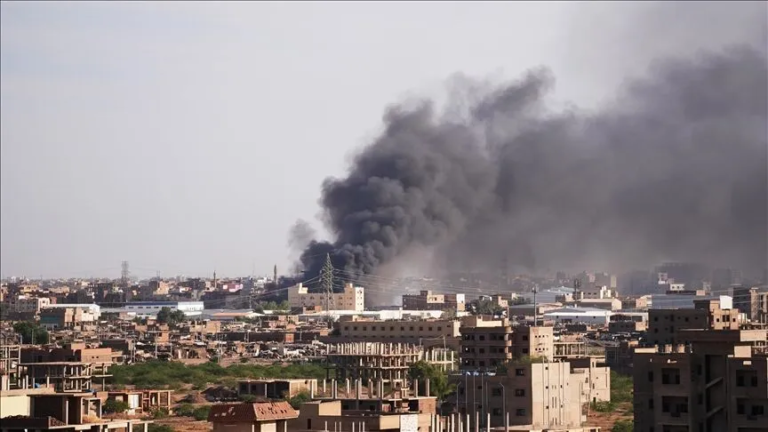
The leadership overhaul comes at a time when the conflict is expanding geographically and intensifying in severity. Fighting has spread to new fronts, including the South Kordofan and Blue Nile states, raising concerns about a prolonged, increasingly fragmented war.
Meanwhile, the humanitarian situation continues to deteriorate. Near-daily drone strikes have disrupted civilian life, with reports indicating that attacks have claimed dozens of lives at a time. On Thursday, sources and witnesses told AFP that RSF fighters targeted a hospital in the Al-Jabalain area of White Nile state, killing at least nine civilians, including the facility’s director.
As the war approaches its third year, the toll remains staggering. Tens of thousands have been killed, more than 11 million people displaced, and the country is now facing what has been described as the world’s largest displacement and hunger crisis.