Trending
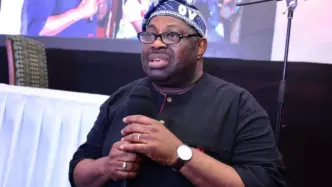
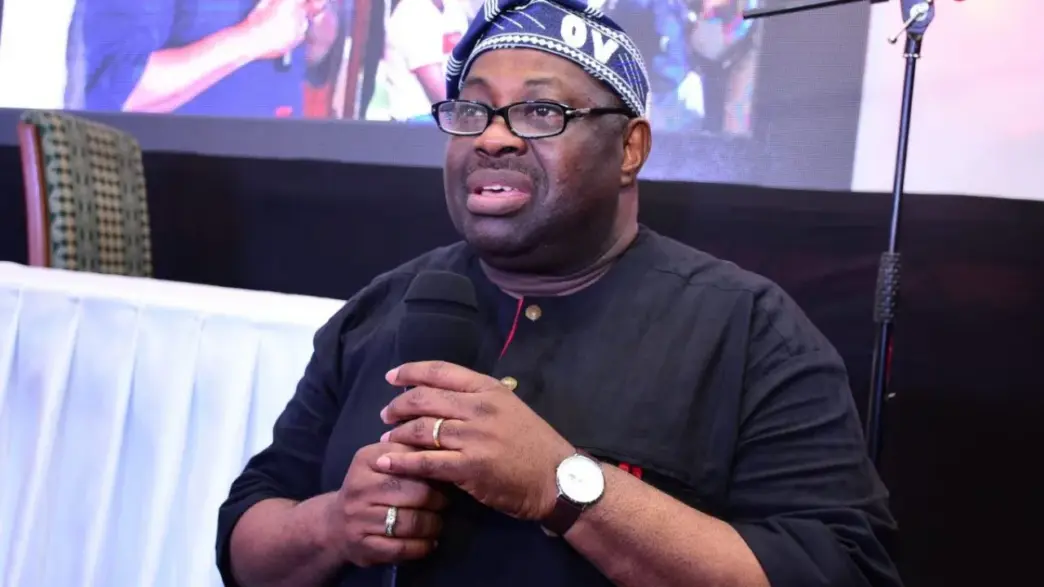
A former presidential candidate and prominent opposition figure, Dele Momodu, has raised concerns about the neutrality of Nigeria’s electoral umpire, the Independent National Electoral Commission (INEC), citing what he describes as a longstanding credibility crisis in Nigeria’s electoral system.
Speaking on Newscentral’s breakfast programme on Friday, Momodu argued that trust in INEC has significantly eroded, particularly among emerging political actors. According to him, the commission has become “an albatross on Nigeria,” suggesting that its perceived failures have repeatedly undermined democratic progress and public confidence.
He maintained that widespread scepticism about INEC’s impartiality stems from what many observers interpret as selective decision-making.
Read More : ASUU Suspends Strike in Lagos Varsities

Citing internal disputes within the Peoples Democratic Party (PDP), Momodu questioned the commission’s swift recognition of one faction over another, arguing that due process would have required waiting for judicial resolution before taking a definitive stance.
Momodu further suggested that such actions point to possible external influence, alleging that “someone somewhere behind the scenes” may be shaping outcomes. He stressed that the speed and nature of INEC’s decisions have reinforced perceptions of partisanship, intensifying political tensions across party lines.
The media entrepreneur also referenced remarks attributed to President Bola Ahmed Tinubu regarding Nyesom Wike, particularly claims positioning Wike as a political leader across rival party structures in Rivers State. Momodu described the situation as contradictory and emblematic of deeper systemic inconsistencies within Nigeria’s political landscape.
Read More : Fitch Lifts Nigeria’s Outlook to Positive
He questioned the logic of a sitting president commenting on the leadership dynamics of opposition parties, arguing that such statements risk blurring institutional boundaries and further complicating an already volatile political environment.
In his remarks, Momodu framed the issue as symptomatic of broader governance challenges, warning against what he characterised as a growing culture of political imposition and institutional compromise.
He insisted that Nigerians are increasingly alert to these patterns and unwilling to accept what he described as “contradictions” in leadership and electoral conduct.