Trending
The OPEC+ oil alliance has agreed to increase production quotas for the second consecutive month, even as escalating geopolitical tensions threaten global energy stability.
At a meeting on Sunday, the group, comprising major producers such as Saudi Arabia and Russia, approved an additional 206,000 barrels per day (bpd) increase starting in May.
The decision comes against the backdrop of heightened conflict in the Middle East, particularly involving Iran. While the official statement stopped short of directly referencing the war, it underscored the growing risks to global energy infrastructure.
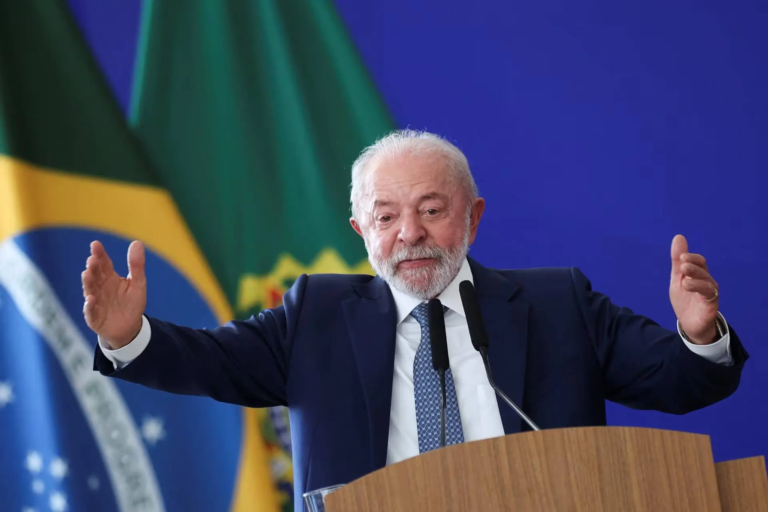
Read More : Brazil Scraps Petrol Tax Before Runoff Election
The group warned that repairing damaged facilities is “costly and takes a long time,” highlighting the long-term implications of ongoing attacks.
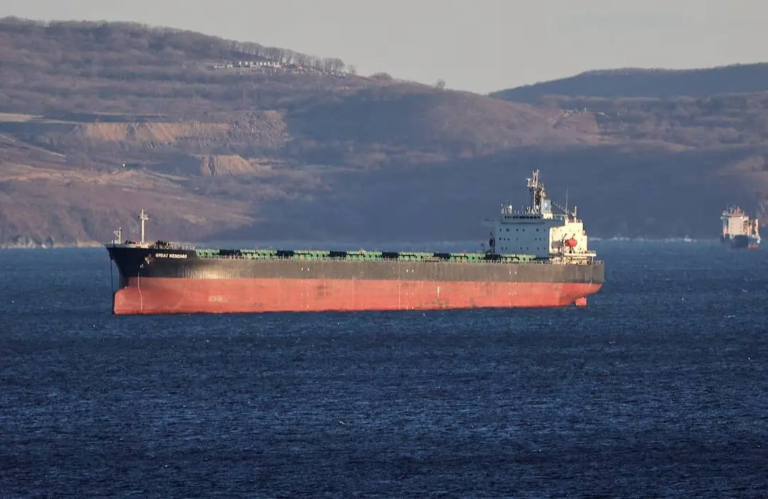
OPEC+ also emphasised “the critical importance of safeguarding international maritime routes to ensure the uninterrupted flow of energy.”
This concern is closely tied to disruptions in the Strait of Hormuz, a vital artery for global النفط and liquefied natural gas shipments. Before the conflict, roughly 20 per cent of the world’s oil and LNG passed through this narrow passage.
Recent hostilities have severely restricted traffic in the Strait, as Iran has threatened tanker movements, effectively choking a key export route. Even if production increases materialise, analysts warn that supply bottlenecks could still limit global availability.
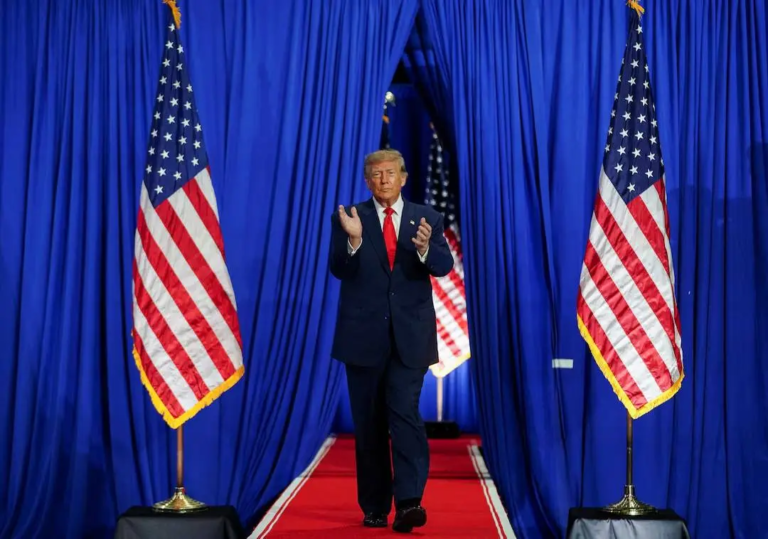
Read More : Trump Slams Norway Over Nobel Peace Prize Snub
The so-called “Voluntary Eight” (V8) subgroup within OPEC+, which includes countries such as Iraq and the United Arab Emirates, echoed these concerns. In a statement, they noted that “any actions undermining energy supply security… increase market volatility” and complicate efforts to stabilise prices.
Despite these challenges, the group praised members who have managed to reroute exports, saying such efforts “have contributed to reducing market volatility.”
Still, with conflicts also affecting Russian facilities amid the ongoing war in Ukraine, uncertainty continues to weigh heavily on global energy markets.