Trending

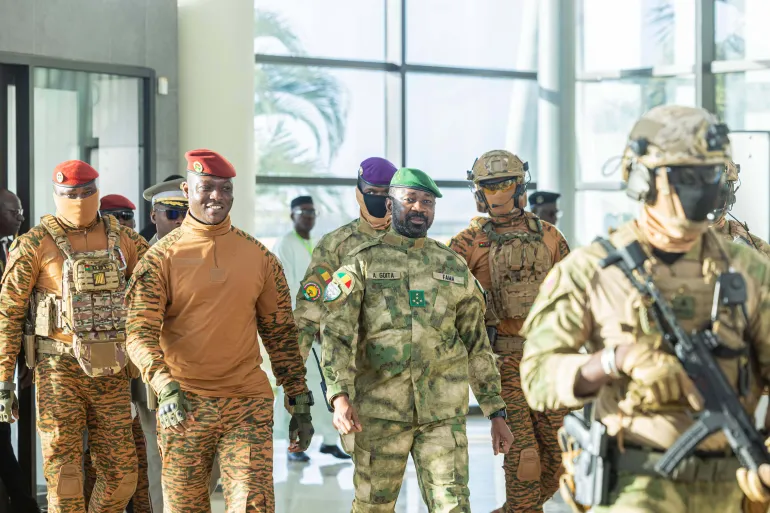
The United States under President Donald Trump is altering its approach to the Sahel, choosing engagement over the promotion of democracy as the key strategy.
After years of sidelining the military rulers of Burkina Faso, Mali, and Niger, the US is now prioritising security concerns and access to vital minerals over the promotion of democratic values in the region.
The Trump administration has long made it clear that Africa is not a top priority. However, the growing influence of China and Russia in resource-rich African countries, particularly those with uranium, gold, and lithium, has caught the US’s attention.
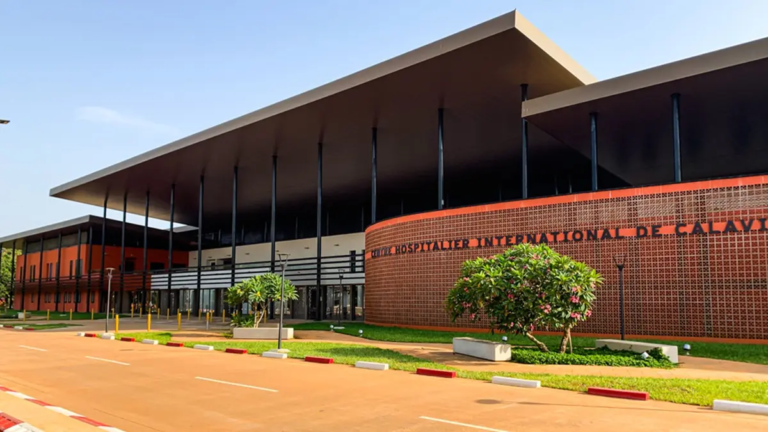
Read More : Benin Opens International Hospital in Calavi
From 2020 to 2023, the US suspended most of its security and assistance programs to these nations following military takeovers. In addition, Niger expelled around 1,000 US troops, forcing the Biden administration to close a $100 million base used for drone operations across the region.
Nick Checker, the Trump administration’s top official for Africa, recently expressed that the United States must deal with African nations “as it is” rather than impose democratic ideals.

“Just by engaging, that itself is a tool; it’s not an endorsement of how these governments came to power,” he said in an interview, referencing the Biden administration’s moralising approach, which he claimed caused a severe trust deficit between the US and the Sahel states.
Despite the challenges, Checker pointed out that these nations have shown openness to cooperation with the US. However, rebuilding trust will take time, with the US focusing on “burden-shifting” to African states in fighting insurgent groups, which increasingly threaten not only these countries but also the US.
A key priority for the US remains the rescue of American missionary Kevin Rideout, kidnapped in Niger last October and believed to be held by the Islamic State in Mali.
The region’s geopolitical environment has led to a shift, with countries like Mali showing interest in US business investment, particularly in sectors such as mining. Flagship Gold Corp., a US-based company, signed an agreement in October to take control of a gold mine in Mali, signalling growing economic collaboration despite concerns over sovereignty.
While the Biden administration emphasised rejecting coups and distancing itself from military-led operations, some analysts, such as Ebenezer Obadare at the Council on Foreign Relations, warn that the US’s new focus on business partnerships over democracy might have long-term consequences. He argues that it’s in both Africa’s and the US’s interest to ensure that governments treat their citizens fairly, as neglecting democracy might not be a sustainable strategy.
This shift in US foreign policy marks a significant departure from past ideals, prioritising national security and economic interest over democratic values in the Sahel.